What About Directors Do You Hate?

The Last Word

What About Directors Do You Hate?

By Andrew Salomon

April 30, 2009


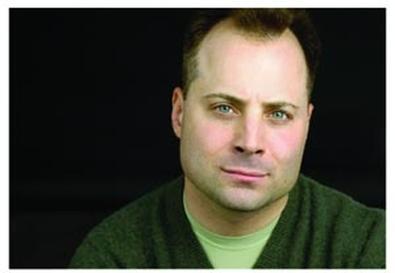
"A few years back, I had just come off this Off-Broadway play when I was immediately hired for an independent film. The filmmaker had absolutely no clue how to deal with actors. In fact, at some point he was seen giving his principals line readings just to keep up with his schedule. There was a lot of infighting, but thankfully, it turned out to be a great little film—because of the actors knowing how to direct themselves. Since then, I've been fortunate to work with directors such as Paul Greengrass. What Paul has that this other director didn't is the ability to distance his time management from the actor's process."

—Jerry Della Salla, Manhattan

"The thing I most hate about film directors is that some of them rehearse the film as if it were a play. It's okay to have a read-through or a table read of the script once or twice. Sometimes rehearsing can be helpful if you're shooting on film as opposed to digital. But most of the independent filmmakers I've dealt with shot digitally, and they would rehearse and rehearse, making the actors restless. To deal with it, I just try to become very familiar with my character and her surroundings early on. I try to dig down deep for the emotions of the character, to breathe life into her. Then I just don't think about how frustrated I am because we're over-rehearsing."

—Mala Wright, Trenton, N.J.

"Some of the worst directors are yellers who think that a higher decibel level makes them right and more intelligent. It's hard to focus and concentrate if you think some demonic director is going to appear out of the audience yelling and screaming at you about a minor infraction on the stage. I find that good actors respond better to a kind word or good idea, much better than hearing how untrained they are. After all, don't we all want the same thing: to tell a great story?"

—Kenneth McDade, Jackson, Miss.


What About Directors Do You Hate?

By Andrew Salomon

April 30, 2009


"A few years back, I had just come off this Off-Broadway play when I was immediately hired for an independent film. The filmmaker had absolutely no clue how to deal with actors. In fact, at some point he was seen giving his principals line readings just to keep up with his schedule. There was a lot of infighting, but thankfully, it turned out to be a great little film—because of the actors knowing how to direct themselves. Since then, I've been fortunate to work with directors such as Paul Greengrass. What Paul has that this other director didn't is the ability to distance his time management from the actor's process."

—Jerry Della Salla, Manhattan

"The thing I most hate about film directors is that some of them rehearse the film as if it were a play. It's okay to have a read-through or a table read of the script once or twice. Sometimes rehearsing can be helpful if you're shooting on film as opposed to digital. But most of the independent filmmakers I've dealt with shot digitally, and they would rehearse and rehearse, making the actors restless. To deal with it, I just try to become very familiar with my character and her surroundings early on. I try to dig down deep for the emotions of the character, to breathe life into her. Then I just don't think about how frustrated I am because we're over-rehearsing."

—Mala Wright, Trenton, N.J.

"Some of the worst directors are yellers who think that a higher decibel level makes them right and more intelligent. It's hard to focus and concentrate if you think some demonic director is going to appear out of the audience yelling and screaming at you about a minor infraction on the stage. I find that good actors respond better to a kind word or good idea, much better than hearing how untrained they are. After all, don't we all want the same thing: to tell a great story?"

—Kenneth McDade, Jackson, Miss.
 
Subscribe to Back Stage

ADVERTISEMENT

Unscripted Blog


Visit Unscripted »

Sponsors

Back Stage Video

Duncan Stewart, director of casting at National Artists Management Company, talks about opening every submission and what he wants to see in a headshot.; casting; Duncan Stewart; headshot; new york city; open submissions; Duncan Steward, director of casting, talks about what he wants from an actor in a general meeting, mainly truth, likability, and lack of ego.; advice; casting; Duncan Stewart; new york city; tips; Duncan Stewart, director of casting, talks about what he expects from an audition and common mistakes actors make.; advice; auditions; casting; Duncan Stewart; new york city; Alaine Alldaffer breaks down the real role of a casting direcor.; Alaine Alldaffer; casting; casting director; Grey Gardens; play; stage; theater; Casting director Alaine Alldaffer talks about casting "Saved" and all the misconceptions about being an actor in New York City.; Alaine Alldaffer; casting director; NYC theatre; play; saved; NY casting director Bernie Telsey describes what actors need to know before walking into an audition. (Part 1 of 2) ; Bernie Telsey; casting director; We spoke with casting director Mark Teschner about working on soap operas. (Part 1 of 3) ; General Hospital; Mark Teschner; soap opera; NY casting director Bernie Telsey describes how to give your best audition. (Part 2 of 2) ; Bernie Telsey; casting director; We spoke with casting director Mark Teschner about working on soap operas. Need only beautiful people apply? (Part 2 of 3) ; General Hospital; Mark Teshner; soap opera; We spoke with casting director Mark Teschner about auditioning for soap operas. (Part 3 of 3) ; General Hospital; Mark Teschner; soap opera; Videos for the Back Stage News & Features section.

ADVERTISEMENT