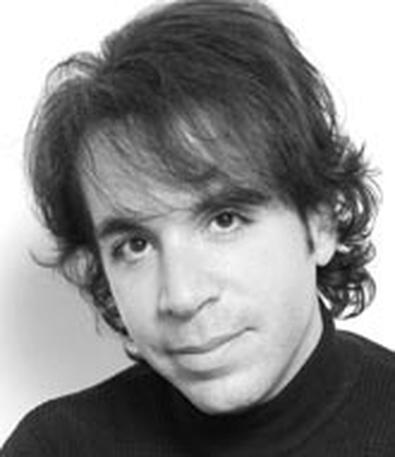
Jack Menashe, president of Independent Artists Agency in New York, says a talent agency is an employment agency. "Our job is to employ people and protect them," he explains, referring to the protection of a contract. "Our job is not to judge nor intimidate." But his pet peeve is actors who think their agents are responsible for their careers.
Marketing is something actors should do on their own, he says, adding that many actors have extensive résumés even before landing representation. They should frequent open calls, produce their own shows, take classes, and invite casting directors and agents to see them in showcases.
Menashe also advocates casting seminars, where actors pay to meet and audition for CDs and agents. While some oppose the practice, he sees it as simple expediency, as well as a way for agents to find clients: "I prefer an actor who has done all of that and lived a little, as opposed to the actor right out of school who says, 'What are you going to do for me?'"
A former actor, the New York-born Menashe has sat on the judging side of the desk for more than 15 years, the last four as head of his own agency. Independent Artists currently has more than 200 signed theatrical clients, from newcomers to veterans. The good news, he says, is that there's plenty of work to go around, especially on television in New York, where roles have proliferated: "A lot of these roles — as supporting, guest stars, and day players — go to actors who are at a developmental stage. So the new actors in New York have a greater shot than ever. The casting director gets to know who they are, and sooner or later the actor will have a chance to audition for better roles."
The news is not all good when it comes to theatre, he says, as more and more leads on Broadway are going to film and TV stars. But there are still opportunities for less-established actors in supporting roles on Broadway, as well as Off-Broadway and regionally.
Play It Straight
Like many agents, Menashe gets most of his clients through referrals from casting directors, friends, and current clients. He also finds prospects at the yearly college showcases that agents routinely attend. Besides the requisite talent and craft, he prefers actors who have a keen sense of who they are.
Menashe also looks at unsolicited pictures and résumés, and if he likes what he sees, he may bring the actor in for an interview. "Sometimes I love a look," he says. "Sometimes I love the energy a headshot exudes, and then I turn it around and the résumé tells me a story I like. Sometimes an actor has done 10 Broadway shows and I'm looking for actors who are adept at musical theatre. That's an actor I might bring in to meet."
Generally, Menashe is turned on by résumés that "cut to the point," he says. "They're plain and simple. They're concise. They're not cutesy or kitschy. What turns me off are 15 extra credits on a résumé that say 'Partygoer,' 'Partygoer,' 'Partygoer.' I'd rather see a blank page with a shitload of training."
When he interviews an actor, Menashe is far more interested in who the actor is than in the number of CDs who know his work. "I'm organic," he says. "I want to know, 'What's going on in your life? What's happening in your career? Why are you doing this? How can I help you?' I want to see someone's passion, someone's energy."
The byword today is reality. Casting directors are looking for actors who are "real, very real, people who viewers can relate to," Menashe says. "When they ask for glamour, it's often for comedy. Things have changed. Actors will have to be faster on their feet and smarter than ever." He also suspects that acting styles will be influenced by YouTube — "it's edgy, tongue-in-cheek" — and by shows like The Office, "which looks like improv but it's not."
He also believes that new media will have a major impact on actors' careers; even now they're promoting themselves on YouTube. "Several of our clients have worked on YouTube," he says, "and we've approached several others that we've seen on it, though we did not end up signing them."
Asked if he foresees a time when agents will be obsolete, he says, "There will always be a need for someone to do the weeding through. As long as there's a need for casting, there will be a need for agents who develop and select talent."
Menashe says his philosophy is best summed up in a new book, Acting: Make It Your Business, published by Watson-Guptill and written by casting director Paul Russell. Menashe was a contributor and interviewee.
Jack Menashe will be at Actorfest NY on Nov. 15, where he, CD Paul Russell, and photographer Chris Macke will conduct the seminar Making Your Photo Count. Register at www.actorfest.com.