Actors often find themselves intrigued by genre films, but the category’s reputation for shallow characters, unbelievable drama, and painstaking hours in the makeup chair sometimes precedes it, leading many performers to avoid auditioning for horror films. But more creatives are looking to dispel that stereotype.
Recently, Backstage sat down with some of today’s most exciting up-and-coming horror filmmakers at Austin, Texas’ Fantastic Fest genre film festival to pull the veil back on their approach to storytelling, auditioning, casting, and directing. They also offered up advice for actors looking to break into world of genre film. We gathered up the best tidbits here!
When studying audition sides for a genre flick, don’t get too rigid with the particularities of every word or scream, says director Chris Peckover. Peckover’s latest feature, the shocking home-invasion thriller “Safe Neighborhood” stars teenagers Levi Miller (“Pan”), Olivia DeJonge, and Ed Oxenbould (both of M. Night Shyamalan’s “The Visit”).
“The biggest mistake I see is actors who go in having figured out exactly how they’re going to say each line,” he notes. “Before you even worry about memorization, take some time to really delve into the story beneath the lines—the subtext. If you have a sense of who this character is, you can be adaptable.”
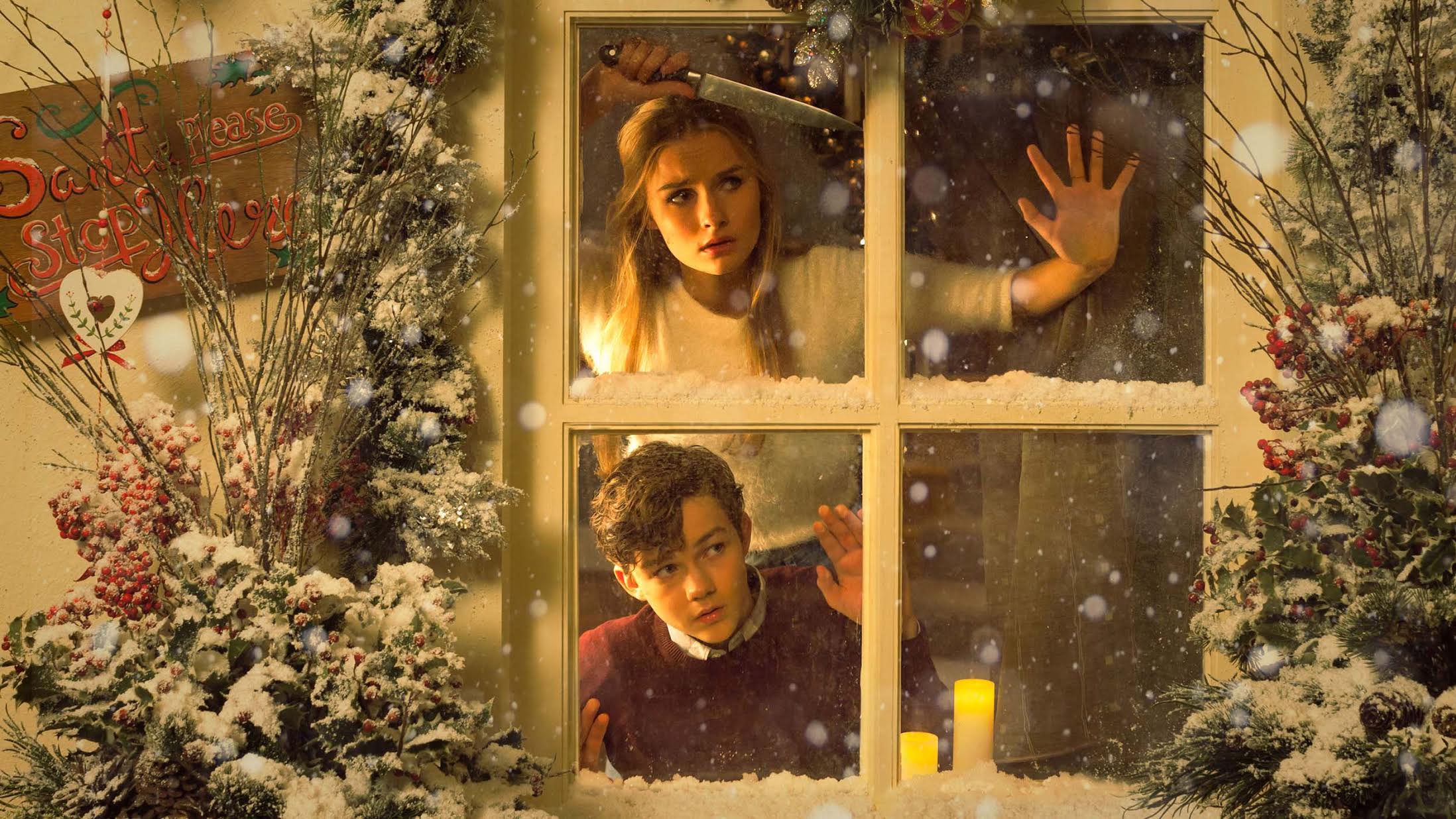 “Safe Neighborhood”
But don’t fret if your audition doesn’t go as planned. “Auditions are horrifyingly brutal and unpleasant for everybody,” says writer-director Ana Lily Amirpour (“A Girl Walks Home Alone at Night”), whose new film “The Bad Batch” stars Suki Waterhouse as a post-apocalypse castout trying to survive a cannibalistic wasteland. “As a director, I hate the process. I feel you just have to bear through it and find some opportunity—other than just reading the lines and doing the scene—to tell a story or do something that shows some core essence of who you are, your spirit.”
READ: How ‘A Girl Walks Home Alone at Night’ star prepped for her role
If you do make it on set, be prepared to work. When casting the lead role of Arlen (Waterhouse) in “The Bad Batch,” which also stars Jim Carrey, Jason Momoa, and Keanu Reeves, Amirpour issued a terse warning: “You can not be a wimp. No complaining. Don’t bother coming in and wasting anyone’s time if you’re not prepared to suffer immensely.”
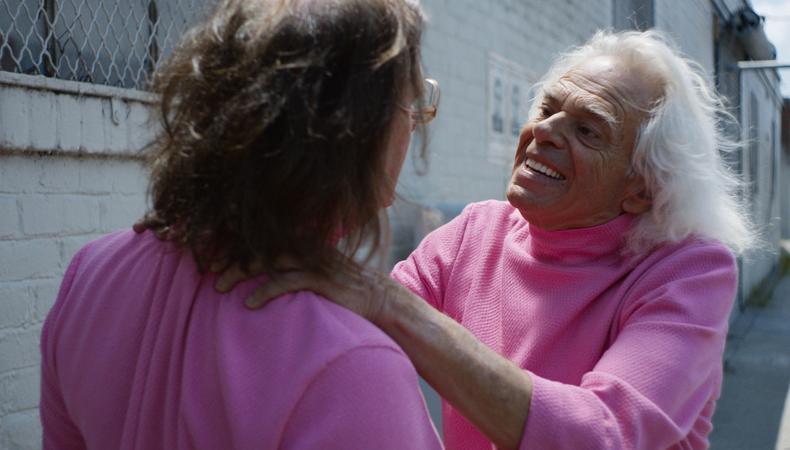
Not only can shooting conditions be strenuous, but actors must weather the difficulty of sustaining intense emotions. “In terms of performances, horror films can be quite demanding,” says actor-producer Elijah Wood, who starred in Robert Rodriguez’s high school sci-fi horror “The Faculty” and 2012 horror-thriller “Maniac.” His production company, SpectreVision, brought “The Greasy Strangler” to Fantastic Fest audiences, who welcomed the grotesquely surreal comedy with open arms. “There’s a potential to misread [a horror role] as overly simplistic and [for actors to] not understand the depth of the difficulty of playing heightened emotions over a great deal of time. They’re really challenging.”
READ: “Horror Film Acting Rises From the Dead”
“The Void” producer Casey Walker cautions against needlessly intensifying a scene. “If you’re ad-libbing, cut back on saying ‘fuck’ every second word. As soon as one person starts doing that, everyone does, and it’s a nightmare in the editing room. It becomes ‘Fuck: The Movie.’ [Profanity] is a shortcut to intensity that you probably don’t need.”
Director André Øvredal views character psychology as integral to a horror film’s success and views the director’s role as a “chief psychologist on set” of sorts. Øvredal’s Nordic fantasy-horror “Trollhunter” enjoyed great acclaim in 2010, and he brought his latest, “The Autopsy of Jane Doe,” to Fantastic Fest. The mortuary fright-fest stars Brian Cox and Emile Hirsch as father and son coroners flummoxed by the cause-of-death of a mysterious cadaver (Olwen Kelly). Øvredal believes that getting to the truth of conveying fear must be instinctual, as should staying grounded amidst chaos. “Both ‘Trollhunter’ and ‘Jane Doe’ are about people who get to discover that the world is not what they expect it is. We don’t deal with that in our everyday lives, and so you have to stay so grounded,” he says. “Where I see a lot of movies go wrong is in how characters react to something supernatural. So think about, what kind of processes must a character go through to accept that the world is suddenly upside-down?”
Good actors must also have endurance and professionalism well before the cameras roll. Co-director-writers Jeremy Gillespie and Steven Kostanski are experienced effects artists, and their unrelenting, gruesome “The Void” is heavy on gory practical effects. They run into plenty of up-and-coming actors not used to the uncomfortable tedium of makeup work, which can hamper a production. Kostanski offers this tip: “If you can get someone just to do a head cast of you, it almost always pans out well, [especially] when we have actors who are already calm and experienced in [doing it]; that seems to lead to future roles in effects-heavy horror films; to have that experience is a definite plus for actors.”
If you are able to withstand the makeup chair, weather intense shooting conditions, and bite your profane tongue, a horror actor’s success ultimately comes down to uncovering the depth and clarity of their character. SpectreVision co-producer Daniel Noah says actors must hold filmmakers to a high standard.
“Be wary of genre filmmakers who don’t take acting seriously enough,” he says. “Horror can unfortunately be one of the most guilty genre offenders in terms of not showcasing three-dimensional characters. Do a deep-probing script analysis, and if the answers aren’t there, hold the filmmakers to task. You need to know the inner life of the character, because running and screaming is not enough to create a complex performance.”
Looking to deliver your own scary good performance on the silver screen? Check out our film audition listings! And for more tips, watch below: