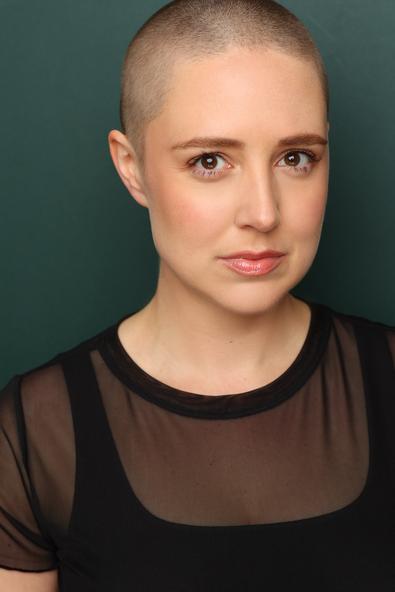
Even while on strike, actor Carly Tatiana Pandža is finding ways to work on her craft.
Now is the time to get creative.
“The industry may be on hold, paused, stopped, shut down—whatever you want to call it—but that doesn’t mean you are. Nothing and no one can stop your creativity and your connection with your muses. Get into class, practice, hone your skills, play, fail, and act for the sake and joy of acting. Create short films if you’re also a filmmaker. Join the SAG and WGA picket lines. Unite in the community.”
Build bridges, not one-way streets.
“Building relationships can’t be about what you are trying to get from the other person or what they can do for you. If you are truly interested in forging a strong connection with someone, it’s gotta simultaneously be about how you can support them, as well.”
RELATED: These Indie Films Need Talent Now
Your journey isn’t a race.
“It’s really easy as an actor to get sucked into and wrapped up in the busyness and hustle of the business of acting that we sacrifice our creative joy. Trust yourself and what feels right for you.”
Get an objective point of view for your reel.
“I think getting feedback from people you trust, who are close to you, helps a lot, as sometimes you’re too close to the material to be able to make that call of what to cut or what not to. I’ve also created many different kinds of reels over the years to highlight specific talents or to specify a genre. It made it easier to focus specifically on a particular skill or a particular genre I was trying to highlight.”
Only you can know what you’re right for.
“It was really easy earlier in my career to get so messed up about what one casting director, agent, director, producer, or showrunner said to me, like it was the truth. Sometimes I would let that person’s words haunt me years later. But the longer I’ve been on this journey, the more I get that one person’s opinion just equals one person’s opinion.”
Take notes from this airtight method for audition prep.
“I read the script or the scene—sometimes you don’t get the full script—as many times as possible. Then, I usually write down anything I know for sure about the character from the breakdown and from what I can interpret from the script. I play around with the physicality of how the character holds themself, where is their voice coming from (their nose, throat, chest, etc.), and any psychological gestures they may have. I also go through and underline the most important words in my lines so I get a sense of how and what to stress when I read it. I figure out who I am talking to and what my relationship is with that person. I practice going through it at all these different levels. Then, I put it all together, trust all the work will be there, have fun, and let it rip.”
This story originally appeared in the Oct. 19 issue of Backstage Magazine.