
Legendary film performances can emerge from humble places. Big budget? Major studio backing? They’re nice things to have, sure. But many of cinema’s greatest performances were immortalized through the blood, sweat, and tears of independent filmmaking.
We’ve curated a list of essential turns in movies produced outside the major studio systems of their time. Each of these performances is singular, whether they represent historic milestones or had a seismic influence on the craft of screen acting. Most of all, they’re a testament to the creative freedom that actors can only find in indie cinema.
Charlie Chaplin
“The Gold Rush” (1925)
Directed by Chaplin
Produced by United Artists
Want to learn how to use your body to tell a story? Watch any of this actor-filmmaker’s silent classics. “The Gold Rush,” one of Chaplin’s personal favorites, brilliantly demonstrates his artistic independence. In 1919, he co-founded United Artists in a bid to break away from the creative constraints of major studios. Chaplin’s first starring feature for the production company includes several of the Tramp’s most famous bits, including a whimsical dance with bread loaves and a literal cliffhanger that’s a piece of slapstick genius. His talent transcends words.
Rosaura Revueltas
“Salt of the Earth” (1954)
Directed by Herbert J. Biberman
Produced by Independent Productions
Buried upon release amid the paranoia of the Red Scare, “Salt of the Earth” was independently produced by blacklisted Hollywood artists. Its powerful detractors branded this story about families in a New Mexico mining town fighting for fair working conditions as communist propaganda. Revueltas stars as Esperanza Quintero, a miner’s wife who finds fulfillment in the labor movement. The Mexican actor makes captivating character choices throughout, blooming from the closed-off posture of a downtrodden housewife into the bearing of a defiant, joyful revolutionary. But the role came at a steep personal cost: U.S. immigration authorities wrongly arrested and deported Revueltas before production ended, forcing her to record the film’s narration from Mexico. Her performance endures as a bold expression of the political power of independent cinema.
Divine
“Pink Flamingos” (1972)
Directed by John Waters
Produced by Dreamland
Fearlessness is a valuable quality for any performer to have, and Divine ate fear for breakfast. Born Harris Glenn Milstead, the late actor and drag queen is synonymous with Waters’ joyously filthy body of work. Bawdy, brash, and completely outrageous, Divine possessed a talent for pushing boundaries—particularly in the cult comedy “Pink Flamingos.” As Babs Johnson, the self-proclaimed “filthiest person alive,” he’s a walking obscenity, delivering shocking lines with a distinct Baltimore bleat and diving wig-first into murder, fornication, and literal dog feces. (Look it up.) Next time you get audition nerves, just ask yourself: What would Divine do?
Gena Rowlands
“A Woman Under the Influence” (1974)
Directed by John Cassavetes
Produced by Faces
Cited by stars like Cate Blanchett as an inspiration, Rowlands changed the game with her raw, instinctual performances, particularly in films directed by her first husband, Cassavetes. The gold standard: her Oscar-nominated livewire turn as the unstable Mabel Longhetti in “A Woman Under the Influence.” Rowlands is alternately fierce, sweet, pathetic, and unsettling as a housewife whose mental health struggles strain her marriage with Nick (Peter Falk), a utility worker who’s ill-equipped—and often unwilling—to handle her outbursts. The volatile emotional honesty Rowlands accesses in the movie is still jarring to watch today.
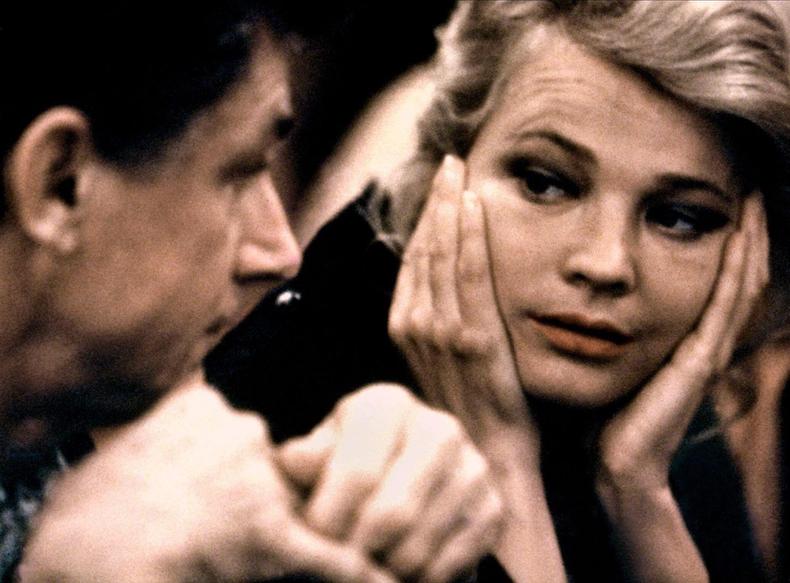
O.G. Dunn & Gena Rowlands in “A Woman Under The Influence” (1970) Credit: Cinematic/Alamy Stock Photo
Pam Grier
“Friday Foster” (1975)
Directed by Arthur Marks
Produced by American International Pictures
This effortlessly badass actor was one of the first female action heroes in cinema history. She hit the scene like a shotgun blast in gritty crime flicks like 1973’s “Coffy,” a classic of the blaxploitation genre. “Friday Foster” is an undersung chapter of Grier’s filmography; among the roles she played in the ’70s, her performance in Marks’ film shines thanks to its depth. The titular character is a professionally driven, sexually confident model-turned-photojournalist who busts a criminal conspiracy wide open. Grier’s got guts and glamour to spare, and she always gets the perfect shot, even when she’s dodging bullets. It’s a true star turn, and in a better timeline, “Friday Foster” would have catapulted her straight onto the Hollywood A-list.
Bruce Campbell
“The Evil Dead” (1981)
Directed by Sam Raimi
Produced by Renaissance Pictures
Filmed with the help of friends, family, and makeshift camera rigs, this cult horror classic was a word-of-mouth success story. Raimi’s creative vision—not to mention an endorsement from Stephen King—had a lot to do with that, but so did Campbell’s turn as reluctant hero Ash Williams. As foul demons possess his friends one by one, the square-jawed everyman spirals into survival mode. The actor’s performance is a symphony of anguished screams, bewildered stares, and spattered blood. Ash develops a penchant for one-liners in later installments of Raimi’s franchise; but the original makes it clear that Campbell’s scream-king technique was fully formed from the jump.
River Phoenix
“My Own Private Idaho” (1991)
Directed by Gus Van Sant
Produced by New Line Cinema
In the 1990s, indie films exploded to the forefront of cinema, pushing a lot of envelopes in the process. Van Sant, one of several major auteurs to emerge from this era, provocatively merged Shakespeare’s Henriad with American street-hustler culture in “My Own Private Idaho.” The writer-director cast real-life pals Phoenix and Keanu Reeves as Mike Waters and Scott Favor, respectively, a pair of close-knit sex workers living on the fringes of society in Portland, Oregon. Phoenix, in particular, breathes life into the role of a narcoleptic lost boy searching for someone to call family. Watch the devastating scene in which Mike haltingly confesses his unrequited love for Scott by the light of a campfire. It’s a tender testament to the raw talent of an actor gone too soon.
Tilda Swinton
“Orlando” (1992)
Directed by Sally Potter
Produced by Adventure Pictures, Lenfilm Studio, Mikado Film, Rio, and Sigma Film Productions
It’s hard to choose a standout role from Swinton’s huge body of indie work. Something from the early films of her friend Derek Jarman? Her post-millennium metamorphosis in Lynn Hershman Leeson’s “Teknolust”? Ultimately, we picked her shapeshifting performance in this adaptation of Virginia Woolf’s groundbreaking 1928 novel “Orlando.” Swinton stars as the titular character, a watchful, romantic Elizabethan nobleman whose life spans centuries, sexualities, and—thrillingly—genders. It’s a delicate fourth wall–breaking performance that’s marked by curiosity about identity and the passage of time, courtesy of an all-star cinema chameleon.
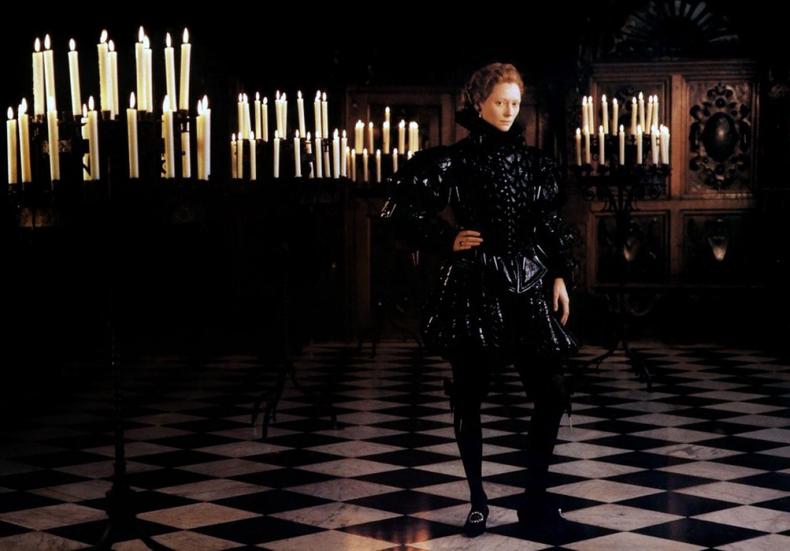
Tilda Swinton in “Orlando”: Cinematic/Alamy
Samuel L. Jackson, Uma Thurman, and John Travolta
“Pulp Fiction” (1994)
Directed by Quentin Tarantino
Produced by Miramax, A Band Apart, and Jersey Films
Though the whole ensemble of this Tarantino film helped to make it a pop-culture phenomenon, Travolta, Jackson, and Thurman endure as icons of 1990s cinema. Travolta’s performance as sensitive hitman Vincent Vega rescued his career from decline. As his foul-mouthed partner Jules Winnfield, the prolific Jackson roars with Bible-quoting intensity. And sporting a black bob, Thurman beguiles viewers as mob wife Mia Wallace right up until the moment when her self-destructive tendencies lead to catastrophe. Has anyone ever conveyed so much sexual tension by doing the twist?
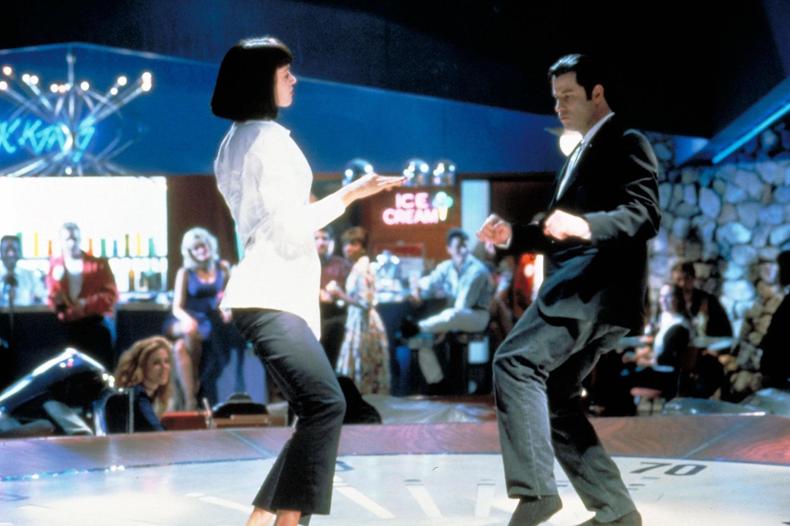
“Pulp Fiction” Credit: Album/Alamy Stock Photo
Parker Posey
“Party Girl” (1995)
Directed by Daisy von Scherler Mayer
Produced by Party Productions
Long before she was popping Lorazepam on “The White Lotus,” Posey was the indie “it” girl of Generation X, playing witty, off-kilter characters with an iconoclastic sense of style in films like “Clockwatchers” and “The House of Yes.” But no role captured the mood of the era quite like Mary, the nightlife-loving ne’er-do-well she brought to life in “Party Girl,” the first movie in history to premiere on the internet. Mary swans about at underground raves while begrudgingly working a day job as a library clerk. But before long, she finds herself swooning over the Dewey Decimal system. Posey’s performance captures the directionless passion of Gen X in all its messy beauty. (Her vintage couture wardrobe isn’t bad, either.)
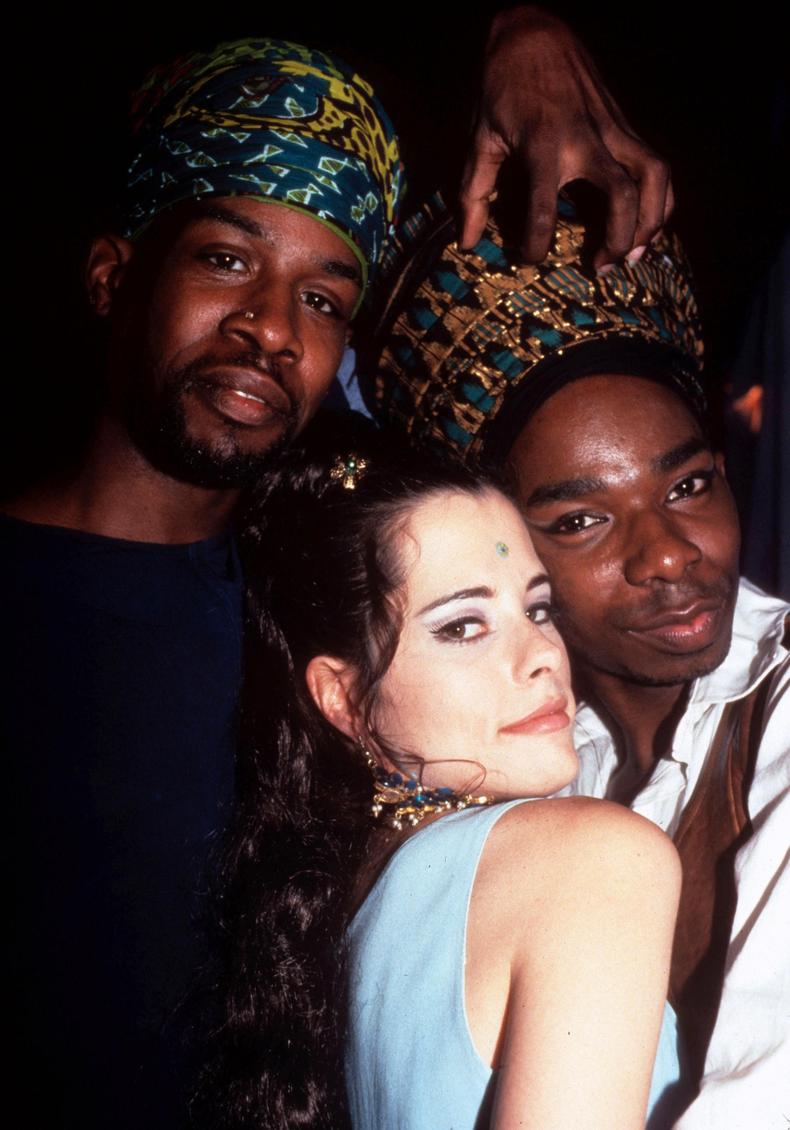
Wendell Daughtery, Parker Posey, and Dwight Ewell in “Party Girl” Credit: RGR Collection/Alamy
James Duval
“Nowhere” (1997)
Directed by Gregg Araki
Produced by Blurco, Desperate Pictures, Union Générale Cinématographique, and Why Not Productions
Araki’s Teenage Apocalypse Trilogy—“Totally F***ed Up” (1993), “The Doom Generation” (1995), and “Nowhere”—is the wacky, nihilistic, sexy scream of the New Queer Cinema movement. And at the heart of all these colorful, anarchic films is a guileless performance from Duval. Across the three installments, each of his characters live in the eye of desire,
both wanting and wanted. In “Nowhere,” he plays Dark, an angsty young man wandering Los Angeles amid a covert alien invasion, all while yearning for a mystery boy (Nathan Bexton) and brooding over the eternal teenage certainty that he’s “totally doomed.” With his surfer-esque vocal lilt and the floppiest haircut ever committed to film, Duval coaxes wholesomeness from Araki’s subversive world.
Heather Donahue
“The Blair Witch Project” (1999)
Directed by Daniel Myrick and Eduardo Sánchez
Produced by Haxan Films
With one snot-streaked close-up, Donahue lit the fuse of an entire genre. Myrick and Sánchez famously shot this faux-documentary on a $35,000 budget. It went on to gross $250 million at the box office, kicking open the door for every found-footage horror film that followed. Its small cast improvised their dialogue and shot “Blair Witch” themselves; but it’s Donahue who became the face of the movie—and even a quarter-century later, it’s easy to see why. The fictionalized documentarian persona she crafted (also named Heather Donahue) is headstrong
and arrogant as she unwittingly leads her crew into ruin at the hands of mysterious occult forces. The actor leaves it all onscreen right up until the movie’s disturbing ending, offering a tear-soaked, sleep-deprived performance that’s entirely convincing.
 Laura Dern
“Inland Empire” (2006)
Directed by David Lynch
Produced by Asymmetrical Productions, Camerimage, Fundacja Kultury, Inland Empire Productions, StudioCanal, and the Tumult Foundation
Surrealist mastermind Lynch, who died in January, formed close connections with many of his actors—including Dern. Her early roles in the filmmaker’s “Blue Velvet” (1986) and “Wild at Heart” (1990) remain irresistible portraits of innocence lost. But as tortured actress Nikki Grace in “Inland Empire,” which would prove to be Lynch’s final feature, she unleashes a performance that’s an avant-garde tour de force. Because the filmmaker wrote the script over multiple years and shot the scenes on the fly, Dern has said she didn’t even know what the movie was about during production. That worked in her favor, however. As a haunted movie production plunges Nikki into increasingly nightmarish realms, her identity begins to fracture. Dern plays these abject mutations with a sense of fear, confusion, and mania. Her bizarre, disturbing performance is a fitting monument to one of cinema’s most fruitful collaborations.
Kitana Kiki Rodriguez and Mya Taylor
“Tangerine” (2015)
Directed by Sean Baker
Produced by Freestyle Picture Company, Cre Film, Duplass Brothers Productions, and Through Films
In his best picture acceptance speech at the 97th Academy Awards, writer-director Baker saluted independent filmmaking. That spirit of resourcefulness and creativity shines through in the frenetic “Tangerine,” which he shot entirely on an iPhone. Rodriguez and Taylor brought their improv skills and real-life experiences to this tale of two transgender sex workers having a very bad Christmas Eve on the streets of Hollywood. Rodriguez is a tidal wave in leopard print as Sin-Dee Rella, sweeping bystanders into her quest for revenge against her cheating boyfriend. As her bestie Alexandra, Taylor grounds Sin-Dee’s chaos in grace. When she sings Victor Herbert and Glen MacDonough’s “Toyland” to a neary empty bar, you can hear Alexandra’s life story in every note. Together, these two actors elevated the representation of Black trans women on film.
Mahershala Ali
“Moonlight” (2016)
Directed by Barry Jenkins
Produced by A24, Plan B Entertainment, and Pastel
Every powerhouse starts somewhere. Though A24 had already made a name for itself as a taste-defining distributor, “Moonlight” was the company’s inaugural in-house producing endeavor. Jenkins’ coming-of-age masterpiece went on to win best picture at the Academy Awards, as well as best supporting actor for Ali, making him the first Muslim Oscar winner in history. He turns in a miraculous performance as Juan, a drug dealer who becomes a father figure to the movie’s young protagonist, Chiron (Alex R. Hibbert). Ali holds his character’s hardness and softness in spellbinding tension, particularly in an unforgettable moment when he tenderly, protectively holds Chiron afloat in the Atlantic Ocean.
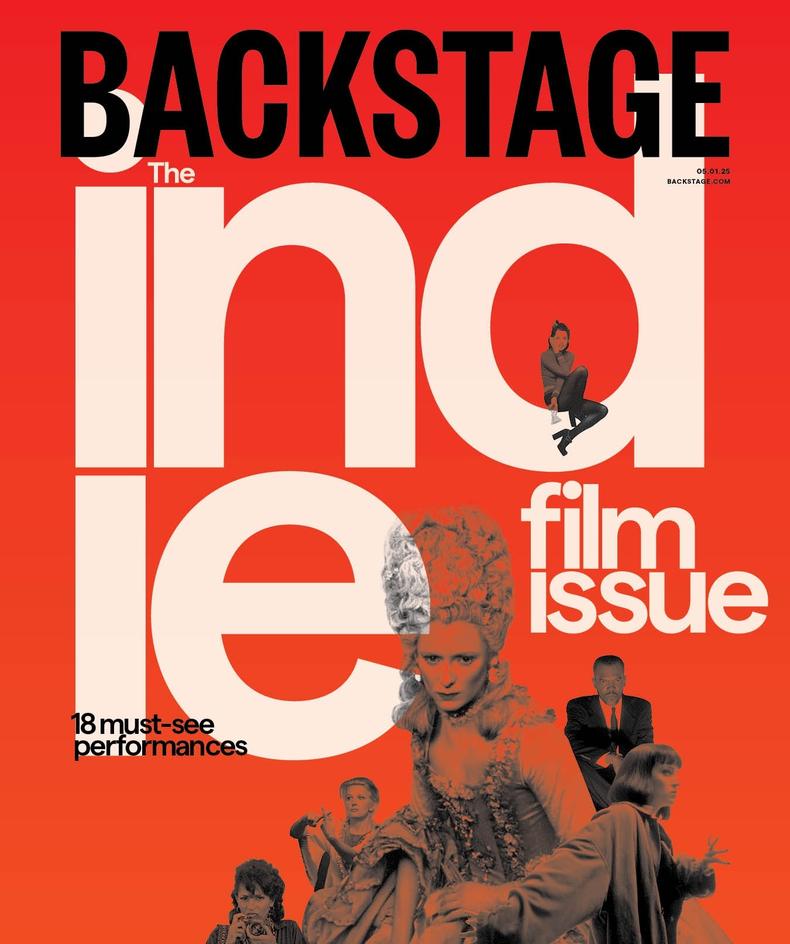
This story originally appeared in the May 1 issue of Backstage Magazine.