You can always rely on the Cannes Film Festival to introduce an inspiring slate of newcomers, as well as unveil fresh performances from bona fide movie stars like we’ve never seen them before. With its recently concluded 78th edition, this year’s cinematic outing on the French Riviera was no exception, marked by notable showcases from both lesser-known performers and household names.
So, who is coming out of Cannes with massive momentum, just like eventual best actress Oscar winner Mikey Madison with her lead turn in last year’s “Anora”? Here is an impressive (and unranked) lineup of names out of the 40 features this writer screened.
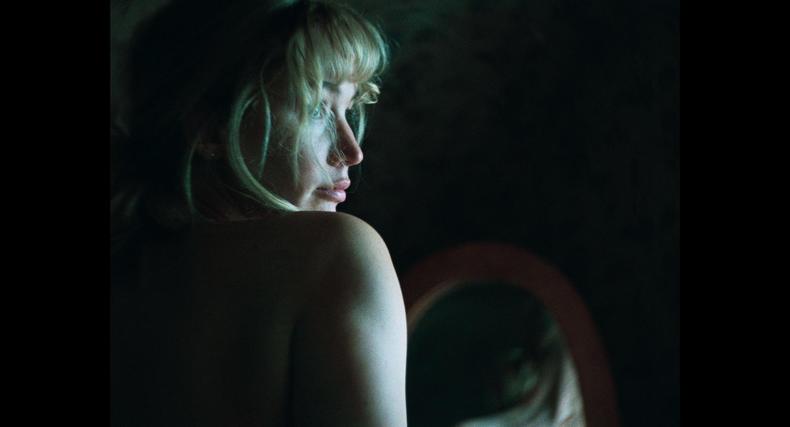
Jennifer Lawrence, “Die, My Love”
Whenever Lawrence returns to adventurous non-blockbuster fare—like low-key knockout “Causeway” and the fierce comedy “No Hard Feelings”—it’s an occasion worth celebrating. After all, it was Debra Granik’s similarly small-scaled stunner “Winter’s Bone” that initially put her on the map in 2010.
Lawrence once again delivers a no-holds-barred, emotionally complex performance in Lynne Ramsay’s scorching psychodrama “Die, My Love.” The film follows Grace, a woman navigating her marriage, a new life in a rural area, and postpartum depression. You’ve never seen Lawrence as wild and boundless as this—not even in Darren Aronofsky’s unhinged “Mother!” She ferally devours the character’s love and hate for her husband (Robert Pattinson, also wonderful), at once vulnerable and dangerous.
Capital Pictures/Alamy Stock Photo
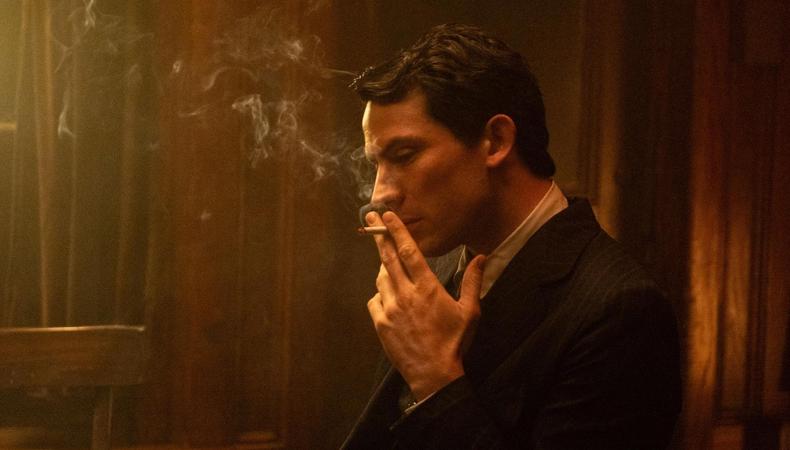
Josh O’Connor, “The History of Sound” and “The Mastermind”
Spoiler alert: O’Connor will be everywhere this year. In addition to Max Walker-Silverman’s Sundance darling “Rebuilding” and Rian Johnson’s new “Knives Out” entry “Wake Up Dead Man,” he stars in two of the best films of Cannes.
His presence as the shaggy 70s art thief in Kelly Reichardt’s “The Mastermind” gives the actor a jazzy playground to flex his muscles in a subtle brand of heist comedy. He meets the challenge with a witty, winsome lead performance.
Meanwhile, Oliver Hermanus’ classically novelistic “The History of Sound” gifts O’Connor the supporting part of a brooding pianist who falls for Paul Mescal’s musical genius in the late 1910s and ’20s. Here, O’Connor conceals shades of heartache behind a wistful smile, communicating the troubles of his headspace—sometimes without a single word.
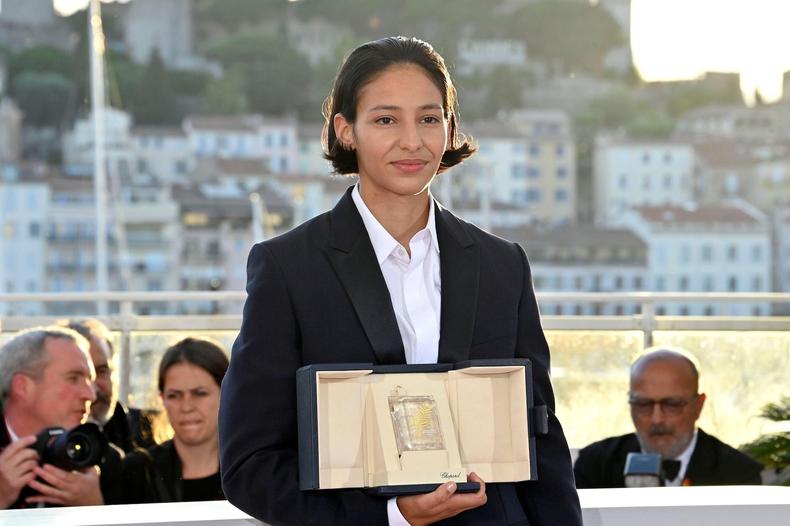
Nadia Melliti, “The Little Sister”
The best actress winner of this year’s Cannes, first-time actor Melliti is among the true breakouts of Cannes 2025. She delivers a poised and quietly aching turn as Fatima, a young Parisian exploring her identity as a lesbian right before starting college in Hafsia Herzi’s “The Little Sister.”
Fatima is a practicing Muslim woman raised by a loving family of Algerian immigrants. Melliti deftly braids the character’s multifaceted life, richly telegraphing Fatima’s complicated inner world as she tries to reconcile her true identity with what her religion requires. This is a tough-as-nails debut; it won’t be the last time we will hear from this impressive new actor.
Geisler-Fotopress GmbH / Alamy Stock Photo
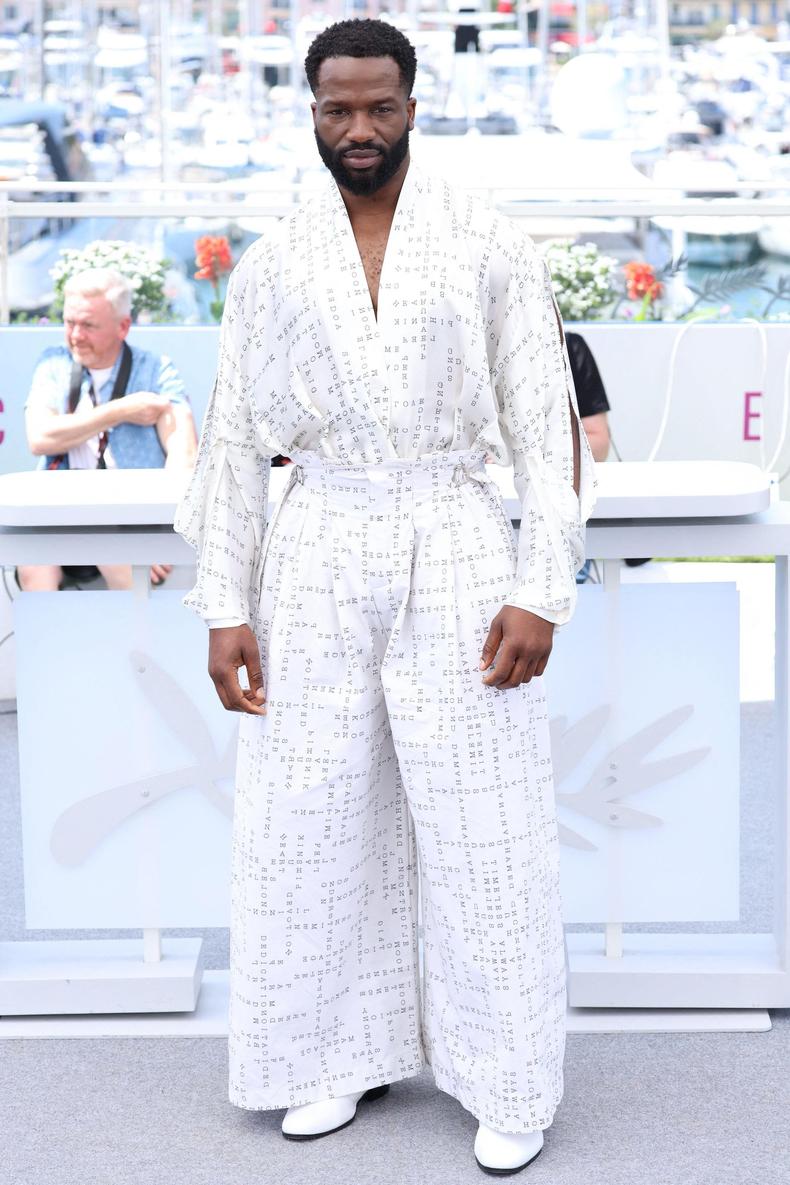
Ṣọpẹ́ Dìrísù, “My Father’s Shadow”
In Akinola Davies’ impressive debut, “My Father’s Shadow,” Dìrísù is intensely tuned as Folarin, a mostly absent dad who reunites with his two young sons in early ’90s Nigeria. As the trio make their way from a rural enclave to Lagos, Dìrísù pulls off something miraculous in his depiction of masculinity, both honoring its gentle shades and living up to the two kids’ idolization of Folarin as an unbreakable father figure.
The actor combines subtle notes of anger, desperation, and vulnerability as the film dives further into the character’s politics and humanity. It’s a complicated balancing act, but Dìrísù is in command of it all.
Abaca Press / Alamy Stock Photo
Zoey Deutch and Guillaume Marbeck, “Nouvelle Vague”
“Nouvelle Vague” is an adoring homage that follows the making of Jean-Luc Godard’s French New Wave masterpiece “Breathless,” as imagined by indie icon Richard Linklater. The film is enlivened by two of its lead performers, newcomer Marbeck and a swanlike Deutch.
Marbeck plays Godard, nailing the famously prickly director’s uncompromising personality with humor and care. (The physical resemblance is uncanny, too.) Meanwhile, Deutch is perfect with a side-parted pixie cut and her American-accented French as Jean Seberg—just wait to hear her shout out “New York Herald Tribune” with the actor’s precise timbre. Taking a cue from Linklater’s exacting love and respect for the era, the duo vivaciously lead the way for a new generation of curious cinephiles to experience one of cinema’s most defining movements.
Wagner Moura, “The Secret Agent”
Recently seen in Alex Garland’s “Civil War” and the Apple TV+ series “Dope Thief,” Moura is in for a big year with this star-making return to Brazilian cinema. Kleber Mendonça Filho’s ’70s-set thriller “The Secret Agent” sees Moura playing an enigmatic tech expert who hopes life in a small town will be a chance to reconnect with his son after his wife’s death. Moura navigates the plot’s many mysteries with a slow-burn cadence, as his character gradually reveals his secrets against the backdrop of a country living under the horrors of dictatorship.
There is a skillfully composed duality to Moura’s performance, one that truly pays off once Filho’s procedural unveils the full picture of its layered narrative involving hit men, a severed leg, and a rising body count. It’s no wonder he won the festival’s best actor prize.
Renate Reinsve and Stellan Skarsgård, “Sentimental Value”
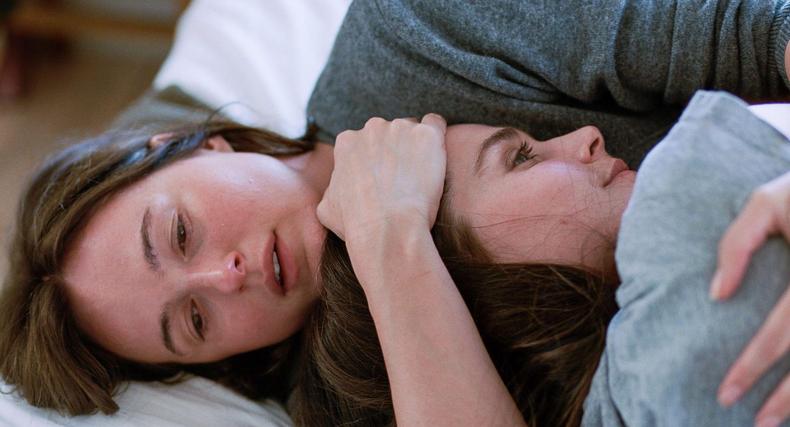
Honestly, the entire ensemble of Joachim Trier’s latest heart-swelling drama (including Elle Fanning and Inga Ibsdotter Lilleaas) is a showstopper. But in the roles of a father and daughter navigating the haunting traumas of their family’s history, it’s Skarsgård and Reinsve that walk away with most of the glory. Both deliver career-best work that we will be talking about throughout Oscar season and beyond.
Skarsgård plays a burdened film director with the growing pains of a guilty conscience. Reinsve shadows him as a turbulent actor who’s inherited her share of generational scars.
Capital Pictures / Alamy Stock Photo
Frank Dillane, “Urchin”
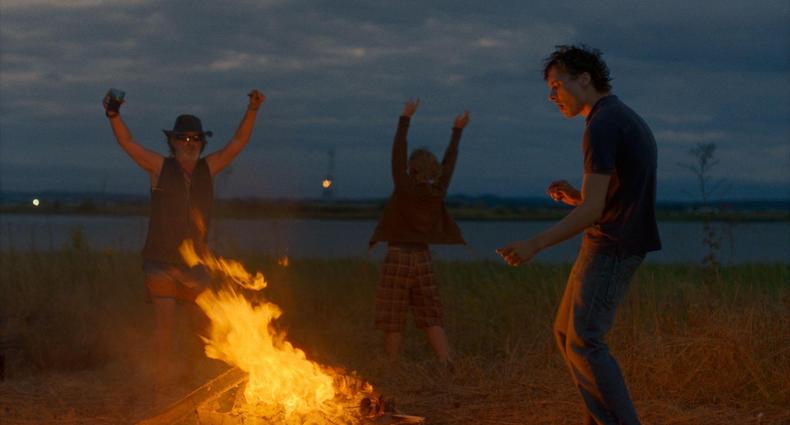
Dillane is far from new to acting—you will recall him from “Harry Potter and the Half-Blood Prince” and “Fear the Walking Dead,” among other projects. But Harris Dickinson’s directorial debut, “Urchin,” will go down as the actor’s true breakthrough. In this modern-day British drama that walks in the footsteps of Ken Loach and Mike Leigh, Dillane portrays a down-on-his-luck drifter who can’t break his imprisoning cycle of self-destruction. In navigating the character’s extremes, Dillane unearths his humanity in captivating and disarming ways, breaking your heart one minute and making you laugh the next.
Capital Pictures / Alamy Stock Photo