Duet acting might dredge up memories (both fond and traumatic) of high school speech and debate. But the practice is useful beyond its correlation with teen competitions; in fact, it can even help you refine your craft outside of acting classes. Learning how to respond to and play off another person is beneficial for performers at any stage of their career.
JUMP TO
 Kozlik/Shutterstock
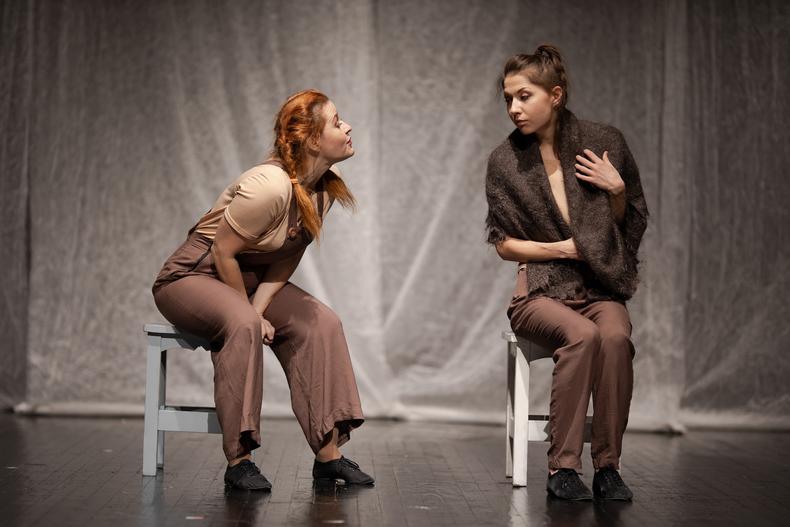
This technique involves acting out a short script or scene in pairs—just you and your partner of choice. Sometimes, performers will swap roles so that both actors perform both parts, depending on the purpose and goals of the session.
Actors often perform these scenes as part of a competition, with multiple pairs giving 8–12-minute performances in front of a panel of judges. Duet acting is also a popular practice in performing arts classes and schools, since it gives students the opportunity to learn together in a more intimate setting.
 Two-Person Scenes for Acting Practice
Watch this video to see what the exercise is all about:
Here’s another example from a speech-and-debate showcase:
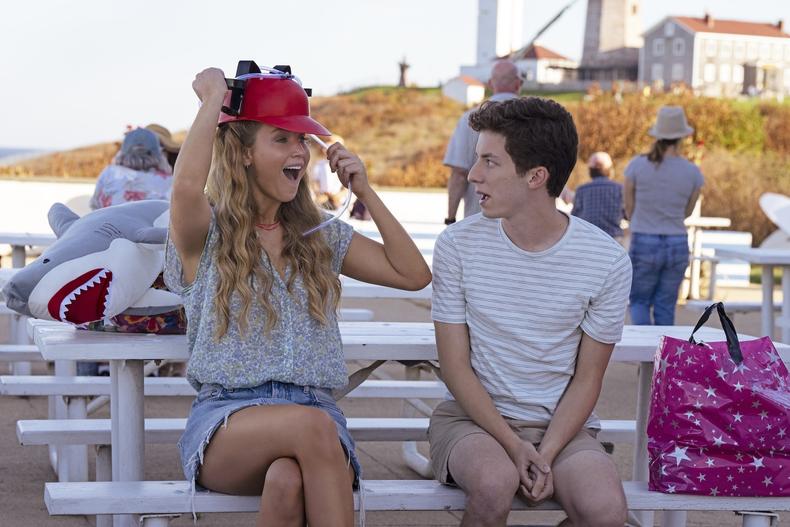 “No Hard Feelings” Credit: Macall Polay/Sony Pictures
Rehearsing two-person scenes allows you to:
- Focus on reacting: The exercise encourages actors to focus on their reactions to one another rather than only thinking about how they want to sell their next line. The conversational nature of a two-person scene means that actors naturally feel more present than when they’re doing group work, which leads to more authentic performances.
- Develop more complex characters: Because they explore the relationship between two people, two-person scenes force actors to dig down into their character’s motivations, backstory, and emotional state. This creates a more robust dynamic between the two characters, while also teaching you techniques to use in future roles.
- Take a break from group work: Whether it’s figuring out your position onstage, remembering when to interject, or interacting with a large group of people, group work can take a lot out of actors. Two-person scenes, on the other hand, are intimate and often intense, allowing you to focus on your performance rather than on the logistics.
 A Guide to Meisner’s Repetition Exercise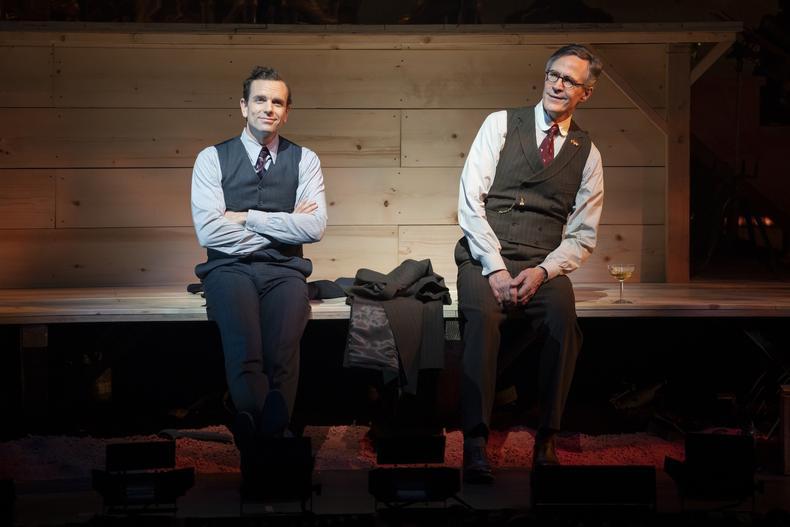
“Parade” Credit: Joan Marcus
Choose the right script
An effective selection for the exercise should:
- Devote time to both characters: Look for scenes that give both actors juicy material to work with. It’s okay to have unequal amounts of dialogue, as long as it’s not just one character talking at the other. Think about it in terms of quality over quantity. For example, while Hamlet has most of the lines in the “Get thee to a nunnery!” scene, Ophelia’s comparatively brief response is infused with a devastating sorrow that gives actors a lot to work with.
- Allow you to get emotional: Whether it’s conflict or connection, love or hate, laughter or sorrow, or even a shared existential crisis, look for a scene with high emotional stakes.
- Give you the chance to think about blocking: Take this into consideration when selecting your script. It’s even better if the blocking only involves a few powerful movements.
Choose the right person to work with
A good acting partner will help elevate the scene and draw out the your best work. A bad one, on the other hand, can make you feel like you’re performing opposite a brick wall. Be on the lookout for a partner who:
- Makes you believe in the script: Your acting partner should be able to sell the scene, convincing both you and your audience of the reality of the characters and their experiences.
- Responds to you: Your partner in crime should actively engage with you, rather than solely focusing on their own.
- Matches your skill level: A partner who is at a similar place in their acting journey is optimal. While it’s always helpful to work with and learn from someone more advanced than you, a wide disparity in acting ability will be obvious to your audience.
Practice…a lot
Rehearse your duet as much as possible before performing it for others. Memorize both you and your partner’s lines (which may eventually become your lines), dig into your character’s motivations and emotional state, and decide what type of body language will best sell your performance.
Be competitive
Strive to really wow the judges. And even if you’re not competing against other duos, pretend that you are; approach your work with the ambition it deserves.
Process
After your performance, take time to think about what you did well, what you want to improve upon, and how you feel about your work in general. You’ll often also get notes from judges, acting coaches, and audience members. Keep an open mind when receiving feedback, and use it as an opportunity to grow and improve for your next performance.
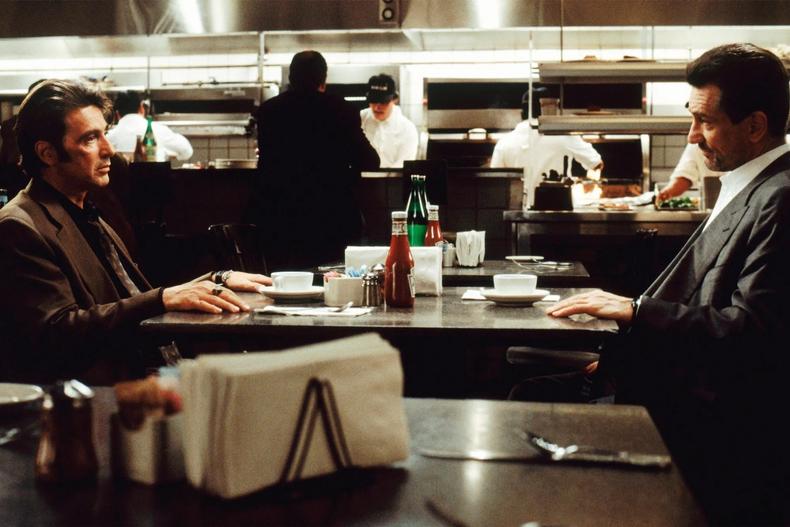
“Heat” Courtesy Warner Bros.
Here are some two-person scenes that will allow you and your partner to shine.
Film:
- “10 Things I Hate About You” (1999) by Karen McCullah and Kirsten Smith: Kat’s drunken scene
- “500 Days of Summer” (2009) by Scott Neustadter and Michael H. Weber: the bench scene
- “Heat” (1995) by Michael Mann: the diner scene
Theater:
- “Doubt” by John Patrick Shanley: Scene 8
- “Fences” by August Wilson: Act 2, Scene 4
- “The Merchant of Venice” by William Shakespeare: Act 1, Scene 2
You can also find duet scenes and full short scripts in texts including “Duo Practice & Performance” by Barbara Lhota and Janet B. Milstein; “Duo!: The Best Scenes for Two for the 21st Century,” edited by Bob Shuman, Joyce Henry, and Rebecca Dunn Jaroff; “Two Voices: 54 Duet Scenes for Teens”; and “The Actor’s Book of Scenes From New Plays.”