One of writer-director Carlos Marques-Marcet’s favorite moments while filming “10.000 Km” came courtesy of a barking dog crashing his film set.
When his protagonists reunited in the indie’s final scene, the mood was meant to be tense. After a year apart, Sergi (David Verdaguer) has unexpectedly appeared at the doorstep of his girlfriend, Alex (Natalia Tena, “Game of Thrones”), and they’re throwing back whiskey shots to stave off the awkwardness. But during the 15th take, says Marques-Marcet, a dog in the Barcelona building where they were shooting started howling.
“At first I told them, ‘Wait until the dog stops and then continue acting.’ But the dog kept going and kept going and kept going!” he recalls with a laugh. “So they start laughing—not because of the situation [in the film], but because of the dog. But they took this and used it, and that’s how [she asks him], ‘Why did you come?’ ”
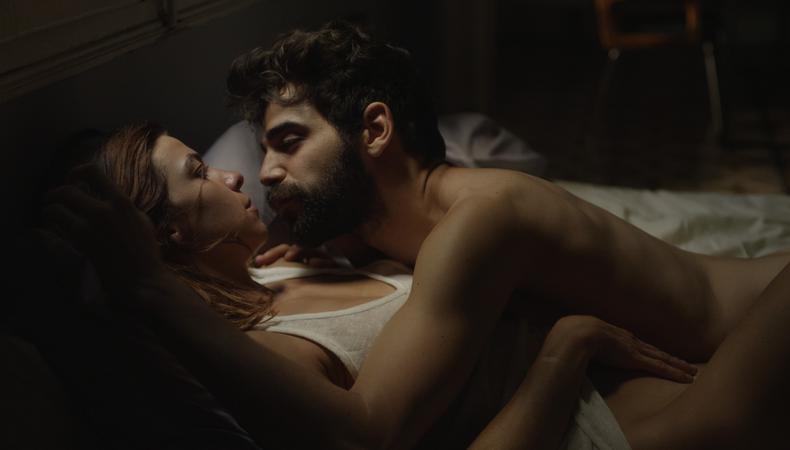
That initial roadblock translated to a pitch-perfect nervousness, a believably uneasy relationship central to a story about love in the age of technology. “10.000 Km,” which snagged a Special Jury prize at SXSW, multiple awards for Tena and Verdaguer, and a new director’s win at the Seattle International Film Festival for its Barcelona-based helmer, follows a couple trying long-distance: A last attempt at revitalizing her photography career sees Alex relocate to Los Angeles while Sergi stays behind in Spain.
Carried entirely by the two actors in different locations—the longest time Verdaguer and Tena act in the same room is during an uncut, 23-minute opening scene—their performances never falter under the weight of the film’s tech-heavy undertaking.
“When I chose my actors I knew they would hopefully have some kind of theater experience. I didn’t need to have very technical actors because I chose all the movements, like, rough; I didn’t want them to have marks,” explains Marques-Marcet, who found Verdaguer via YouTube. In terms of casting, carrying an emotion proved a more important skill than technical specificity.
It’s a somewhat surprising approach, considering “10.000 Km” incorporates seemingly rigid interfaces—Facebook, texting, email, and video chat—into the traditional film format. Yet the multifaceted method allows actors to flesh out the reality of maintaining intimacy using the tools of cinema themselves: screens and cameras.
In the editing process Marques-Marcet embraced the given imperfections of cinema, capturing both the idiosyncratic “poetics” of technology and his actors with momentary “glitches”; the film itself includes loss of sound or picture freezes as if audiences are watching with a momentary bad connection.
“To me, when I was imagining writing the movie with my co-writer, one of the most important aesthetic points was trying to discover the difference between being in front of the image of somebody and being in front of somebody—sometimes we forget it’s a different thing,” he says of the stylistic choice. “I’m trying to portray this difference: the lack of smell, the lack of presence. Even if you have this image, your presence is something that always gets lost when we communicate through different means.”
This concept of utilizing divergence permeates the film. From casting Tena after his original actor dropped out at the last minute to keeping a little rhyme Verdaguer improvised in the film, Marques-Marcet relishes the unforeseen.
“It’s something funny because I don’t like to tell the actors what to do,” he says. “When I talk to them I suggest, we talk, we discuss, but when they ask me, ‘Should I do it like this or like that?’ I don’t know. You know. That’s your job. A lot of times as a director you just create an environment where [actors] feel safe, where they can try things and make mistakes. To me it’s very important to make mistakes because the surprises arrive when we lose control a little bit.”
Inspired by this post? Check out our film audition listings!