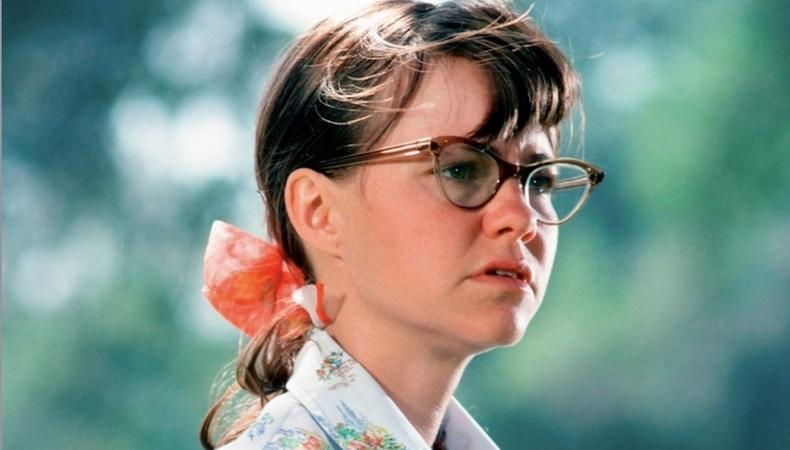
Back in the 1970s, before we all TikToked and tweeted, the water cooler wasn’t just bubbling about the latest hit series riding the cultural wave. Another fictional form was causing a splash: made-for-TV movies. They had big themes, cast big names, and pulled in big ratings. You could watch Sally Field play a woman with multiple personalities in “Sybil,” or get a good cry going with James Caan and Billy Dee Williams as football player besties in “Brian’s Song.” Millions watched, and these films were released for decades with that word “prestige”
often attached.
Nowadays, the TV movie has moved to streaming platforms, all but vanishing from the big four networks (ABC, CBS, NBC, and Fox). The Emmy Awards’ long-standing made for television category has become a home for films whose respective buyers bypassed theatrical release, despite the fact that the projects often star a bevy of decorated award winners and nominees. What changed?
“In 1964, there was a movie called ‘See How They Run’ [starring John Forsythe], and it’s widely considered the first made-for-TV movie,” says Amanda Reyes, host of the “Made for TV Mayhem” podcast. Reyes is also the author of “Are You in the House Alone? A TV Movie Compendium: 1964–1999,” which examines the phenomenon of the “movie of the week.”
“Prior to that, there were stand-alone things being aired, but a lot of them were attached to anthology shows, like ‘Playhouse 90,’ until they made a pilot called ‘Fame Is the Name of the Game’ [starring Anthony Franciosa] that exploded,” she explains. “Then producers were like, ‘Oh, we can make TV movie pilots. If we do this, we don’t have to pay for a theatrical license. It’s actually cheaper to produce a TV movie, and we own the content.’ And so networks started buying into this.”
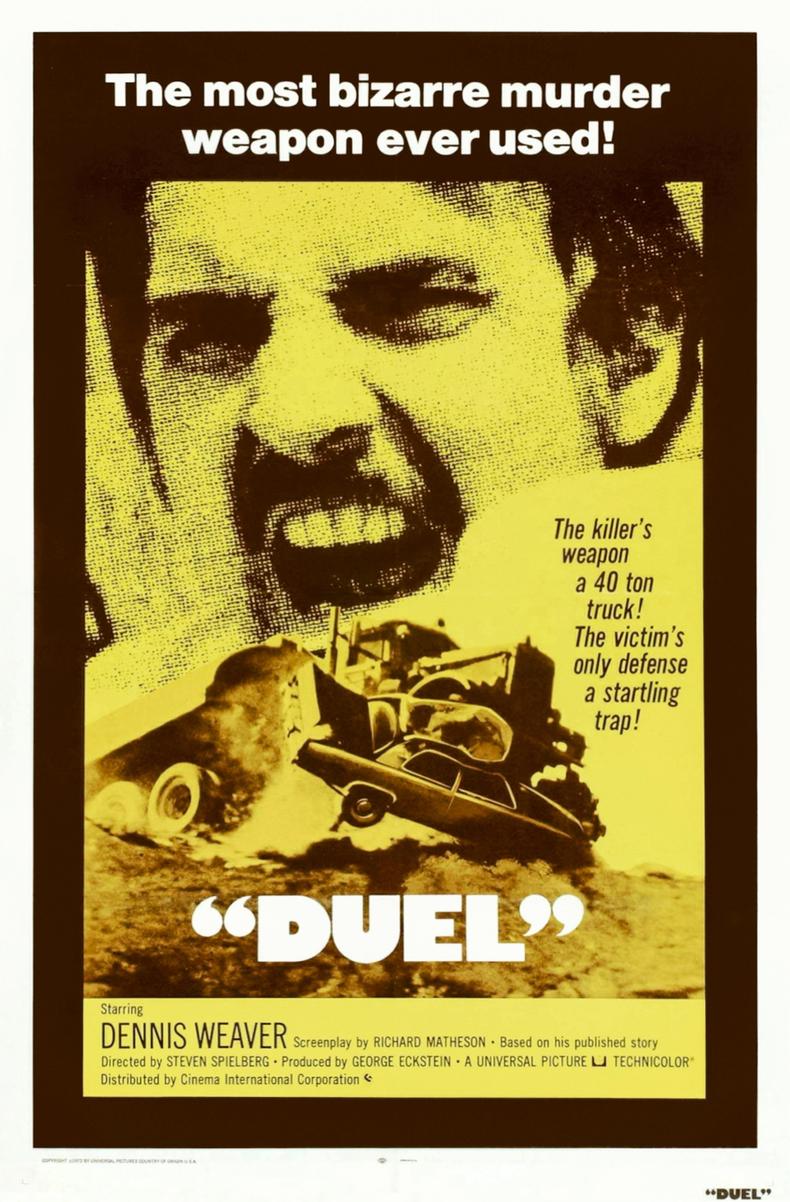 Reyes brings up possibly the most heralded TV movie of all time: Steven Spielberg’s thrilling 1971 classic “Duel”—about a man being terrorized by a semi-truck (and its murderous unseen driver)—a film that made such an impression on viewers that it enjoyed a healthy theatrical run after airing, and spawned countless imitators.
The television movie model became a force to be reckoned with. Networks started to compete with cinemas on star quality and production values, and those ad dollars meant they could keep churning out these films. Before corporate consolidation, networks maintained tighter control of their content. But as the years wore on, newly viable formats such as reality TV and on-demand streaming settled into living rooms nationwide, and the “movie of the week” started to go the way of the Edsel.
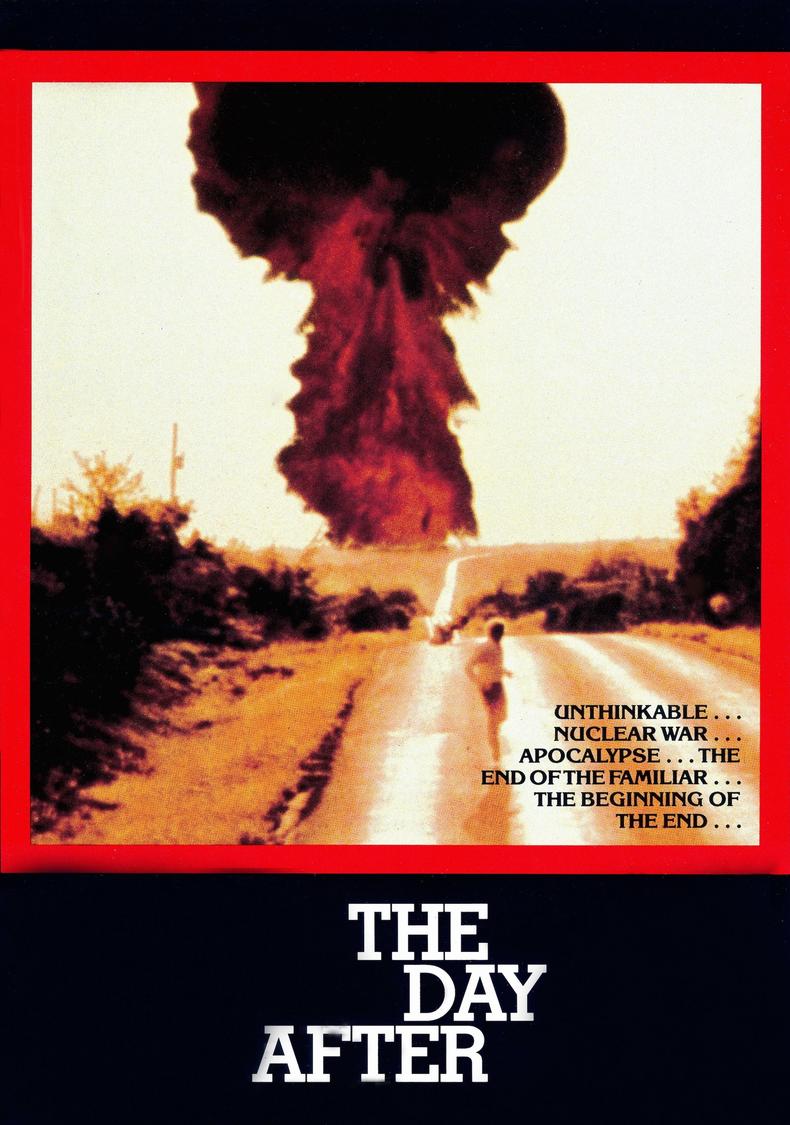
The TV movie category was created in 1966 (the first winner was a Shakespeare solo effort starring John Gielgud called “Ages of Man”); however, it was not actually called Outstanding Made for Television Movie until 1992. Before that, it had category titles like Outstanding Dramatic Program, Outstanding Single Program for a Drama or Comedy, or Outstanding Drama or Comedy Special. But it always contained hot-button-topic fare, ranging from nuclear fallout (1983’s “The Day After”) to domestic abuse (1984’s “The Burning Bed”) to abortion rights (1989’s “Roe vs. Wade”). Even before social media and the internet, the controversial content tapped into the zeitgeist.
“What the original old TV movies did was make [us] appreciate methodical pacing,” says Reyes. “The subtext was more coded and embedded into the film, whereas in a lot of movies, they spell it out. The subtext is hidden because they had to get it through the networks.” These days, streamers contain very few guardrails with regard to profanity, sexuality, or violence, so subtext can now exist merely as…text.
Which brings us to today’s category, Outstanding Television Movie, often considered out of date and in need of a rebranding—basically a receptacle for streamers who did not have faith in their film’s box office. Take this year’s newly anointed lineup, for example, which includes one HBO stalwart, “Mountainhead,” from “Succession” creator Jesse Armstrong, and four streaming movies: Netflix’s “Nonnas” and “Rebel Ridge,” Peacock’s “Bridget Jones: Mad About the Boy,” and Apple TV+’s “The Gorge.”
 All of the nominated films, with their pedigree, audience appeal, and marketability, would have been cinema-ready in another era, but now they’re directed to streaming platforms and released quietly with limited fanfare. (Only the crime drama “Rebel Ridge” seems to have notable heat, thanks to sustained social media buzz by genre appreciators.) And because streamers do not reveal their viewer data as readily as a box office report, there’s no ironclad confirmation on how many people are watching.
“If a TV movie aired in the ’70s and only got 10 million viewers, it would be a bomb, and people would have laughed it off TV,” notes Reyes, who believes those event movies created common bonds in a way that today’s fragmented viewing landscape cannot. “TV movies are still really popular, like all the Christmas movies that come out every year through Hallmark—they’re huge. They’re very low-budget, and I don’t think they’re ever going to get nominated for anything, but they’re still bringing lots of people together.
“There’s still community, but it’s just different,” she continues. “And I don’t know if it’s as big as it used to be. It’s not as commonplace. I feel like if [networks] just let go of certain demographics and started thinking about the audience that they do have, they would probably do a lot better [at getting those conversations going again].”
But as recent excitement levels have told us, appointment television is a hot commodity again. Here are the four most-nominated series at the Emmys this year: “Severance,” “The Penguin,” “The Studio,” and “The White Lotus”—what is their common denominator? All of them drop episodes weekly, proving people need a little breathing room between the mayhem.
As Reyes suggests, networks could tap their existing star power from hit TV shows and build special-event movies around them. Or if all else fails, maybe Spielberg can re-rejuvenate the TV movie of the week, much like he did with “Duel,” before also creating the blockbuster blueprint with “Jaws” four years later. “You’ve got to make up your minds. Gonna stay alive and ante up?” as the wise Captain Quint asked in that classic—it might just be the jolt of inspiration the networks need now.
This story originally appeared in the August 18 issue of Backstage Magazine.