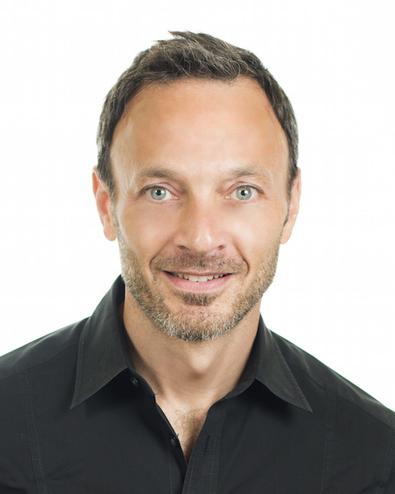
With locations in NYC, L.A., Washington, D.C., Connecticut, and Atlanta, Edge Studio, founded in 1988 by David Goldberg, has worked with clients including Disney, ESPN, Nickelodeon, Pixar, National Public Radio, the United Nations, and more.
How can voiceover actors guarantee steady work?
Match a client’s need. Vocally speaking, there’s a wrong mindset that most voice actors have, which is, Let me read this until I think it sounds good. Honestly, that is pointless. Their mindset should be, Let me read this in a way that my client thinks it sounds good. Most voice actors just don’t think about that. In order to audition right and do well and keep your clients calling back, you need to think about your audition and your voice acting performance from the perspective of all those different people [who participate in the casting process].
What is the goal of Edge Studio?
To help the voiceover community get more work. We have a technology department, in which we help voice actors maintain and build their own home studios, and we have the education department, in which we help the voiceover community get more work. Voiceover is a relatively new industry and it’s growing exponentially. Right now, there are 27 genres of voiceover acting, [smart device] apps being the newest one. A year ago, there were 25. A year before that, there were 22. Every year, there are more and more areas for voice actors to work in.
How does the training process differ from one voiceover genre to another?
It’s like being a doctor. Being a heart surgeon and a chiropractor are two very different things; they’re both medical doctors but they have very different skill sets, and it’s the exact same in voiceover. Narrating an audiobook requires different skill sets than narrating a commercial. Commercials very often are telling a short story in 15, 30, or 60 seconds. An average unabridged audiobook is 11 hours long, so a voice actor often needs to read different characters and remember character from character. There’s no time commitment [with an audiobook], whereas in a commercial there is. What truly separates our education department from everyone else is that we have full-time working voice actors. So if a student wants to become an audiobook narrator, then they work with a working audiobook narrator. Going to college, you would never have one instructor teach you physics, math, economics, and so on, because there are different teachers who each excel in different areas—that’s exactly what we have. Our coaches are not full-time coaches, none of them are; they’re all full-time working voice actors.
What is the secret to success for a voice actor?
Like anything, there are a lot of skills that someone needs in order to be professional. There are certainly folks who come to us for evaluations that have amazing voices; they can read really well and can take direction—they’re not divas or anything of the sort—but they’re not professional. So they’re hired at the studio one time and the client says, “I don’t wanna work with this person again.” It’s a world in which voice actors typically work by phone pads, Skype, and home studios, so why should we have to work with this particular individual if they show up late, they’re rude, they say the wrong things, or they’re unorganized? There’s also the reverse: There are people who may not have the most marketable voices, but are business-savvy, so they get work. You need to know how to work the system and market yourself.
Inspired by this story? Check out our voiceover audition listings!