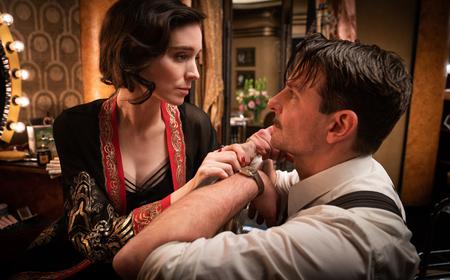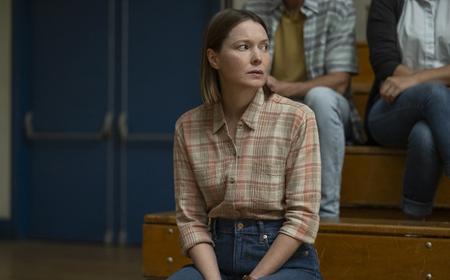
To cast “Saltburn”—a gothic, Frankensteinian progeny of nihilistic class-warfare thrillers such as “The Talented Mr. Ripley” and “Parasite”—writer-director-producer Emerald Fennell sought actors oozing with charisma, chemistry, and charm. Fennell and casting director Kharmel Cochrane created a devastatingly talented ensemble by using a “charisma casting” process that involved delving into actors’ past roles, rather than relying on traditional auditions. In a new featurette, Fennell explains that this process engendered a cast with the “lethal charm” necessary to pull off the “horrible” yet “amazing” characters of “Saltburn.”
Charisma casting is how Fennell came to work with Barry Keoghan, whom she’d wanted to cast ever since seeing his powerful performance in Yorgos Lanthimos’ 2017 film, “The Killing of a Sacred Deer.” “He’s just naturally gifted, like lightning in a bottle,” Fennell told Backstage. Keoghan’s innate talent allows him to “go to places that are devastating and uncomfortable and funny”—exactly what Fennell needed for “Saltburn,” in which Keoghan plays antihero outcast Oliver.
“With Oliver, what I was looking for was somebody who had the capability to be vulnerable, be an outsider, something otherworldly,” Fennell says in the featurette. “And once I met Barry, there was just no one else.” Her instincts were right; after all, not many actors could sell that iconic grave scene quite like Keoghan.
While Oliver may be the most multifaceted character in “Saltburn,” other characters also exist in the liminal space of moral ambiguity, relying on status and wealth to mask repulsive behavior. The rest of the talented cast includes Jacob Elordi as golden boy Felix; Rosamund Pike as what Fennell describes as the “complete limpid” matriarch Elspeth; Richard E. Grant as equally inane patriarch James; Alison Oliver as troubled Venetia; Archie Madekwe as rightfully indignant Farleigh; Paul Rhys as Mrs. Danvers–esque butler Duncan; and Carey Mulligan as Poor Dear Pamela.
“I think that all of these characters are right and all of them are wrong,” Fennell says. “They are immensely seductive and they weaponize their charm with absolute precision.”
The cast “just felt like a dream, because on paper, I don’t think that you could look at it and think, Oh, I know what film this is going to be,” Cochrane notes. “And that’s what I find most magical.” Indeed, the satirical film’s captivating exploration of class, charm as a double-edged sword, and obsession stands as a testament to the magically transformative power of casting.