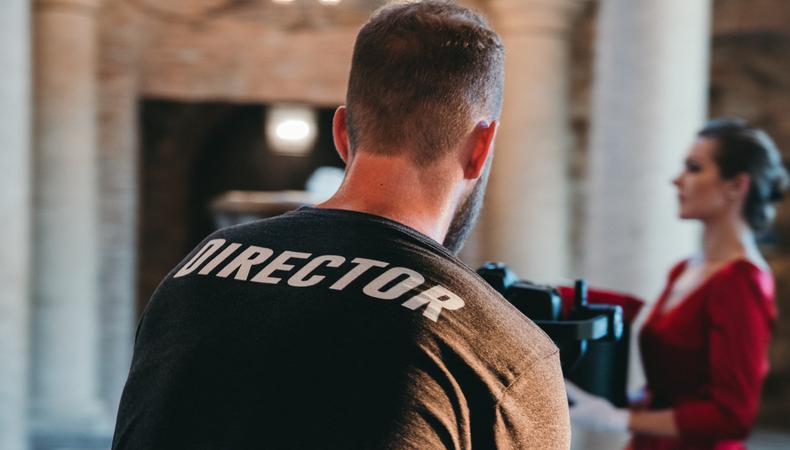
Directing is a tenacious job, requiring someone who can set the best atmosphere on set and be the driving creative force. It’s a tough job but also fulfilling, especially if you learn how to be one of those directors actors love.
There’s a lot of innovation, intuition, and learning through the school of hard knocks that can help you become this type of director, but I want to highlight two simple tips to get you started. One from a creative perspective and the other from a technical standpoint.
Creative Tip: Give actors room to explore.
Work with your actors on how they see the character and explore how that differs from your vision. Sometimes directors can get too close to a project and pigeon-hole a character, but whoever is playing the part will want to discover every dynamic to flesh the character out. Gaining an actor’s trust this way can really aid their performance too. If they feel they’ve got a director who trusts their intuition and improv, whole new moments no one saw before can happen.
An example of this can be found in the film “Good Will Hunting.” If you’re familiar with it, there’s a scene where Robin Williams’ character tells a story of how his wife used to fart in her sleep. Williams created the story on the spot and the director kept it.
Another way to do this is by shooting different takes of a scene. If you have the time, ask your actor if they feel good about their performance and if not, let them try it another way or try it again. This can’t happen for every scene, but if it’s one that’s important or you’re feeling isn’t selling, try mixing it up a bit and getting the actors to explore something new that seems almost opposite your original intention.
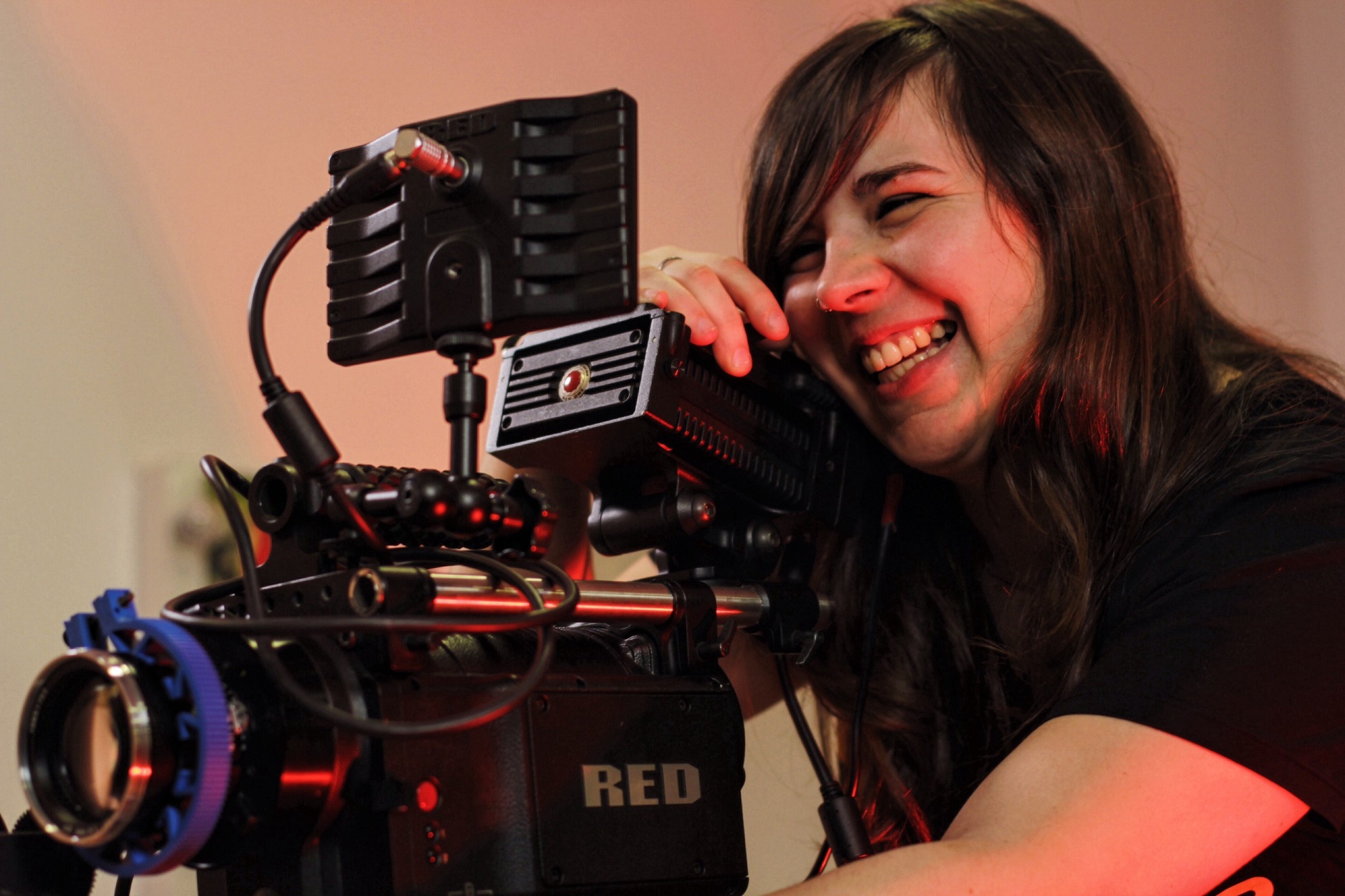 3 Qualities Actors Want in a Director
 Technical Tip: Shoot lots of long takes.
I’m a sucker for movies like Alfonso Cuarón’s “Children of Men,” which have gloriously lengthy-long takes. It has roughly three or four shots over five minutes in length. Another famous long take comes from the end of “Atonement” with James McAvoy walking on the beach. No list would be complete without mentioning the beautifully crafted long shots in “1917,” which was filmed to look like one massive long take. This style of filmmaking is incredibly difficult, but becoming more and more popular. It’s also fun for the actors because it gives them more time to live the character. These types of shots require heaps of rehearsal, for not only the actors but the entire crew. It becomes a creative space to allow all those involved to find a rhythm.
For example, in “1917,” actor Dean-Charles Chapman said they rehearsed a scene up to 20 times to get the right timing, not only rehearsing how far they walked but also the pauses in conversation, everything. Not only did this give the actors time to flesh their characters out, but it also proved tantamount to the crew like production design who needed to make sure there was a set for them to walk onto during the shot.
Maybe it’s because I’m such a fan of the feel a long take gives an audience, and the tenacity it takes on set to get it right, but I think long shots are just the best for everyone, and definitely can help you be the type of director actors long to work with.
These may be simple tips but they’ll still take some innovative thinking on your part to help create them on set. You as the director carry not only the vision, but the creative atmosphere, so my last piece of advice is to have passion for what you’re doing and let that excitement be what encourages your crew and cast to be inspired to create their best.
Looking for remote work? Backstage has got you covered! Click here for auditions you can do from home!
The views expressed in this article are solely that of the individual(s) providing them,
and do not necessarily reflect the opinions of Backstage or its staff.