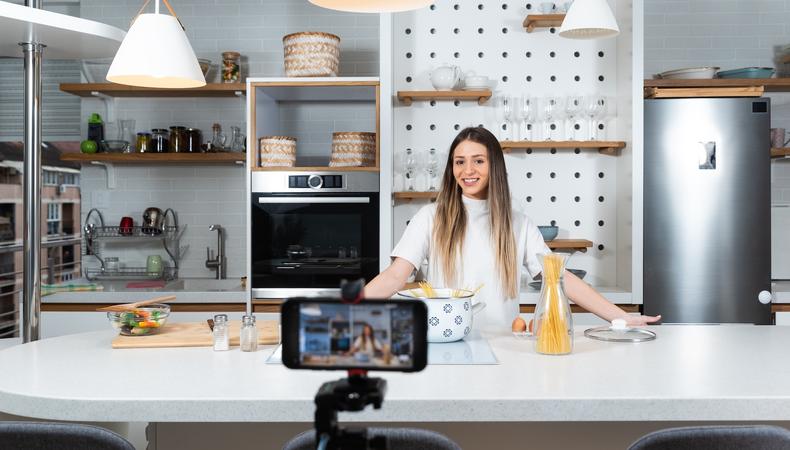
It’s no secret that when you want to learn something new—whether it be a recipe, a song, or a workout routine—you’ll seek out a how-to video. Your average content creator realizes this and is always working to meet that need. This may not be a video, but we’ll teach you how to make a how-to tutorial that stands above the rest.
JUMP TO
Credit: New Africa/Shutterstock
A how-to video is a short to medium-length piece of instructional content designed to teach viewers a specific task or concept. Unlike explainer videos (which clarify ideas) or documentaries (which tell stories), how-to videos are built around actionable outcomes. The viewer should be able to do something they couldn’t before watching.
They can take many forms:
- Step-by-step tutorials: Focused, sequential guides (“How to Replace a Faucet”)
- Skill-building lessons: Broader educational content (“How to Paint With Acrylics”)
- Process walkthroughs: Behind-the-scenes looks at workflows (“How I Edit My YouTube Videos”)
- Micro-tutorials: Short, platform-optimized tips (“How to Fix Blurry Photos on iPhone”)
In the content ecosystem, how-to videos live at the intersection of education and marketing. They build authority for creators and brands while offering genuine value to audiences. That’s why if you want to become a content creator, they’re a great place to start, regardless of platform.
Why are how-to videos effective?
Good instructional content succeeds because it satisfies both the immediate and emotional needs of viewers:
- Immediate need: They have a problem and want a solution fast.
- Emotional need: They want to feel capable, smart, and in control.
From a brand’s or creator’s perspective, this means how-to content is both practical and strategic: It builds trust, improves discoverability, and positions you as a reliable expert.
Each platform frames the how-to video a bit differently. Here are a few of the particularities for each site:
- YouTube: The gold standard for long-form, SEO-optimized tutorials. Titles like “How to Tie a Bow Tie” or “How to Make Coffee Like a Barista” dominate search-driven discovery.
- TikTok + Instagram Reels: Bite-sized, visually dynamic how-tos thrive here. Think quick hacks or 15-second recipes.
- LinkedIn + B2B channels: How-to videos often double as thought leadership content: tutorials on tools, productivity methods, or professional best practices.
- Company websites + onboarding platforms: Here, how-to videos serve as customer support or internal training assets.
No matter the platform, the goals remain constant: clarity, efficiency, and engagement.

Credit: SofikoS/Shutterstock
1. Prepare.
Before you hit the record button, clarity and structure are everything; great how-to videos start with great preparation.
Ask yourself three key questions:
- Who is your audience, and what’s their skill level?
- What’s the exact takeaway of this video?
- What’s the simplest, clearest way to get there?
This planning phase should result in a short outline or script that typically covers:
- Introduction: Define the problem or goal.
- Overview: Preview what the viewer will learn.
- Step-by-step process: This is the heart of the video.
- Summary and call to action: Reinforce learning and guide next steps.
Focus on one clear goal per video. Viewers usually don’t want “How to Edit Videos, Build an Audience, and Monetize Your Channel” all at once.
2. Script and structure.
Even if your delivery feels casual or conversational, good how-to videos are rarely improvised. Structure ensures pacing and prevents unnecessary tangents.
A solid how-to structure might look like this:
- Hook (0:00–0:15): Capture attention immediately. Try showing the finished product or problem being solved—for example, “Want your videos to sound like this instead of this? Let me show you how.”
- Setup (0:15–0:45): Explain what you’ll cover and why it matters. Set expectations for tools, time, and difficulty.
- Steps (0:45–4:00): Walk through each step clearly. Use text overlays, close-ups, and repetition as needed.
- Recap (4:00–5:00): Summarize the process and emphasize key takeaways.
- Call to action (End): Encourage viewers to try it themselves, comment with results, or watch your next related video.
3. Ensure visual and audio clarity.
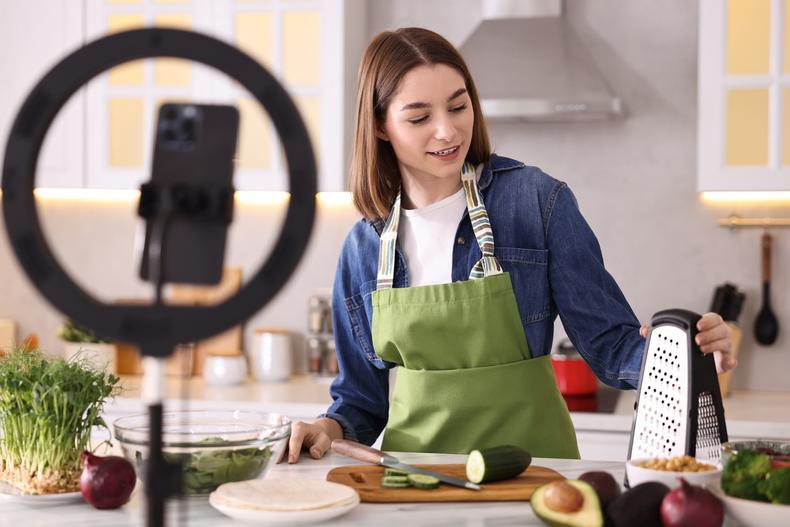
How-to videos live or die by how well the audience can see and hear what’s happening. You don’t need to be Steven Spielberg, but you need to have some basic audiovisual competence.
Visual principles:
- Use consistent framing—wide for context, close-ups for detail.
- Keep the background simple and uncluttered to avoid distractions.
- Use overhead or point-of-view shots for hands-on tasks.
- Add onscreen text or annotations to reinforce key steps.
- Employ high-key, pleasing lighting.
Audio principles:
- Record with an external microphone whenever possible.
- Avoid background noise and echo—soft furnishings (rugs, curtains) and lavalier mics help.
4. Edit.
Postproduction is just as vital. Keep things snappy and dynamic. Here are a few tips:
- Cut ruthlessly: Remove pauses, hesitations, and redundancy.
- Use jump cuts: They maintain energy while keeping attention focused.
- Add callouts: Text, arrows, or zooms highlight critical details.
- Incorporate b-roll: Show the process from multiple angles for visual interest.
- Add music: It can enhance rhythm, but it should never overpower narration.
5. Optimize for discovery.
Once your how-to video is complete, optimizing it for discovery ensures it reaches the audience who needs it most.
For YouTube and similar platforms:
- Write a clear, searchable title (“How to Replace a Bathroom Sink Faucet”).
- Include a thumbnail that visually represents the process or result.
- Use timestamps or chapters for easy navigation.
- Add tags and descriptions that reflect user intent (what people actually search for).
- Encourage engagement (“Comment below if you tried this step!”).
For TikTok and Instagram:
- Focus on the first two seconds—motion and hooks matter.
- Add onscreen text to summarize key steps.
- Use music trends or sound bites strategically to boost reach.
Like with any type of video, platforms reward watch time and completion rates. A concise, well-paced tutorial will always outperform a rambling one.
Even experienced creators stumble on a few recurring pitfalls; you’ve probably rolled your eyes at some of these before.
- Overcomplicating steps: Too many subpoints confuse viewers. Simplify or split topics into multiple videos.
- Skipping context: Always explain why each step matters, not just how to do it.
- Poor pacing: Avoid long pauses or unnecessary repetition. Keep rhythm steady and concise.
- Neglecting visuals: Verbal explanations alone aren’t enough—show every key action.
Learning to refine your instructional delivery over time is part of the process. Each video should teach you something, too, so pay attention to and engage with audience feedback.
The next time you plan a video, ask yourself:
- What will someone learn from this?
- How can I make it simpler, clearer, or more motivating?
Do that consistently and your how-to videos won’t just inform—they’ll inspire.
A few examples of successful how-to videos include:
1. Bon Appétit’s test kitchen videos blend humor, personality, and clear instruction. There’s a reason a lot of these chefs became celebrities in their own right.
2. The Home Depot’s project guides are straightforward, no-frills DIY videos that build consumer confidence (and drive sales).
3. Peter McKinnon’s photography tutorials include cinematic visuals that make the technical lessons feel inspiring.