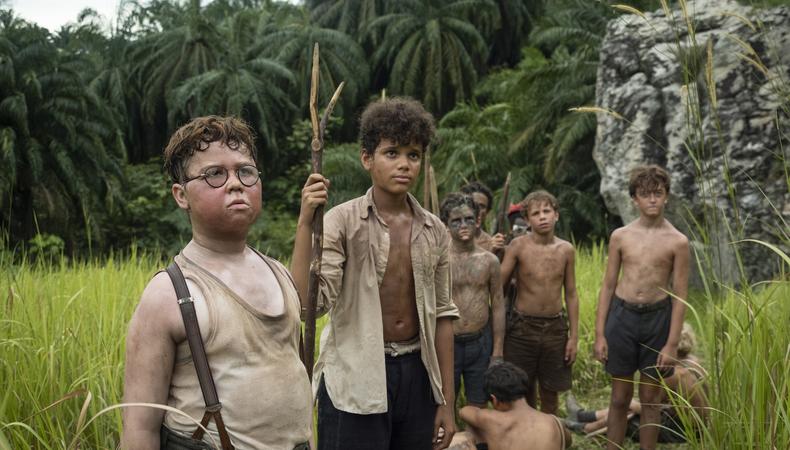
Jack Thorne has reached the end of what has felt like a “relay race” of TV projects, he says. He’ll be taking a well-earned break after creating the limited series “Toxic Town,” “The Hack,” and the Emmy-winning phenomenon “Adolescence,” all released in 2025, followed by his adaptation of William Golding’s 1954 classic novel “Lord of the Flies,” premiering May 4 on Netflix. But given his passion for writing and collaborating, he knows he can’t stay away from his craft for long.
The British writer started his career in the theater, before being part of the team that launched the TV teen drama “Skins” in 2007. He’s been off to the races ever since, juggling big-budget screen projects with splashy theater shows, and rarely falling foul of the critics in either medium. Among his illustrious credits are HBO’s “His Dark Materials,” Netflix’s “Enola Holmes” franchise, and the Tony-winning stage play “Harry Potter and the Cursed Child.” So how does he manage to produce so much content?
“Just with sheer enthusiasm and joy,” Thorne declares. “I work with small [episode] numbers, so I’m writing a lot less than Aaron Sorkin was when he was writing ‘The West Wing’ ”—when TV series typically spanned more than 20 episodes per season. “I’m always wary of the word ‘prolific’ because I think it implies that I don’t care as much. It’s just that I get these opportunities and I bury myself in them in order to be able to deliver. After this, there will be a lot less of me, because I don’t have a show currently being made, and I think that’s for the best.”
Before he disappears for a bit, we talked to Thorne about the timeliness of his “Lord of the Flies” series and why he refuses to let the success of “Adolescence” change his work.
 What attracted you to adapting “Lord of the Flies” in an episodic format?
We wanted to tell a really loyal version of this story, and it felt like something that was beautifully made for television. When we were pitching [Golding’s] estate, which took a long time, the thing that we kept saying to them was, “There’s something about this story that fits the way that television can tell stories with chapters. And by giving the different boys space, by spending time with their personality and understanding them, we think that can even further deepen what Golding was doing.” And my reading of the text is that Golding loved all these boys. I mean, he feared them, but it’s actually a really tender portrait, and I wanted to find that tenderness.
I first tried to make it 15 years ago, and they didn’t give me the rights, and I think there’s something about this time that’s very perfect for this telling. We’re in a time of instability, a time when hate is becoming more part of our discourse than we’re used to. And to be entering that age again of, “We need to be wary, we need to be careful, we need to look at these people, we need to be scared,” I think is kind of apt in terms of what Golding was writing about.
When did you realize that you wanted to be a writer?
I went to university determined to be an actor or a politician, and I discovered that I couldn’t act well enough and I didn’t want to be a politician. I went to the Young Labour conference in 1997, and I hated everyone there. So I decided I wanted to be a theater director, and then I discovered that it cost 65 pounds a night for rights to a play, so I said, “I’ll write one,” because I couldn’t afford that. As soon as I started writing, I knew this is what I wanted to do. To be clear, I wasn’t very good, but I just felt like, Oh, this is part of me.
You’re a master of the four-episode limited series model. What do you like about creating in that template?
I’ve been writing limited series since I did [2016’s] “National Treasure,” and I like the vocabulary, the rhythm, the way that they work. I love the four-act structure, and how Episodes 1 and 4 will have a certain type of rhythm, but then you can do extraordinary things with Episodes 2 and 3. It allows you to dance in different directions, and that encourages patience in the audience. There is no doubt that “Lord of the Flies” is slower than some TV and requires a need to sit forward at times because it’s all about detail that might pass you by. If you did that in a 22-episode series, people might get wary of that rhythm. But if people can feel it’s deliberate and being considered, then I think they get excited by the possibility of it—or at least I do as a viewer. And I’m always just trying to write stuff that I’d love to watch.
Now a year removed, how do you reflect on the experience of “Adolescence”? Given the worldwide phenomenon that it became, is it impacting how you approach projects?
[Co-creator and star] Stephen Graham and I had a conversation before the Gotham Awards, which was the first awards show of the season, and we made a pact that it wouldn’t change us. Not in that sort of grand way, just in that, for the next show we do, can we aim to do an interesting show that maybe two million people will watch? Because that’s the stuff we love: the peculiar and odd that doesn’t necessarily speak to a mainstream diet. And it’s still bamboozling to us why “Adolescence” did speak to that diet. So we’ll do something small and considered, and we’ve tried to stick to that. That said, Stephen is off in Hollywood doing projects with Michael Mann, so what do I know? [Laughs] But all we ever want to do is study people, and then show those people to other people, and hope that they have some moment of empathy that lifts them or makes them think.
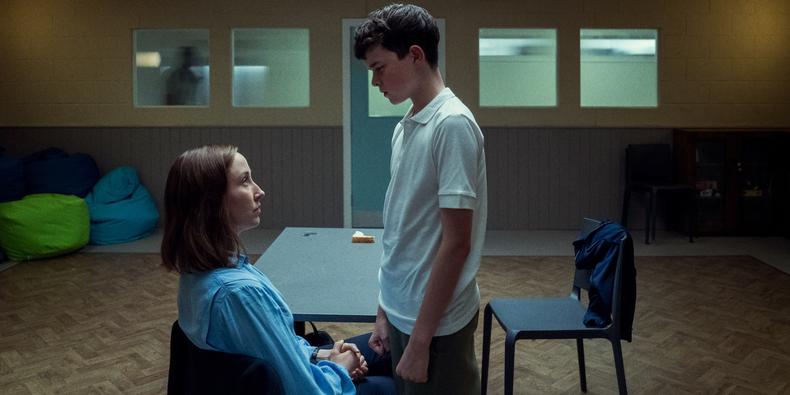
“Adolescence” Credit: Loredana Sangiuliano
You often partner with a filmmaker to bring your vision to life onscreen. What has it been like developing those collaborations and relationships?
It’s the bit that I love most. With “Lord of the Flies,” [director] Marc Munden and I have long talked about authorship in TV, and authorship in TV is always ascribed to the writer, and, in film, the director is the author. And that frustrates me, especially when you’re working with Marc, who I’d describe as a television auteur. At the beginning of this, I said to Marc, “Put your mark on it. Do something that is you and only you.” I love what directors do, and I generally get out of their way. I want to work with them so that everyone is happy with the script and everyone will protect the script—and now do your thing.
Has there been a project of yours that has been the most influential on you?
“National Treasure.” It was my first real four-parter, and it was the first time when I felt like I’d actually genuinely authored something. I never think anything’s good, but at least it was something where I felt like, Oh, you’ve got close to something that you wanted to do. It has a strange rhythm to it; there are scenes that don’t obey the normal rules. And it just felt like we found some truth…and every single review went, “Not the Nicolas Cage film.” [Laughs]
Every now and again you feel you reached that again, and you go, I’ve got to hold onto this and protect it. And that’s how I feel about “Lord of the Flies.” You know when you’ve done something specific, and those are the exciting moments that I live for.
This interview has been edited for clarity and length.
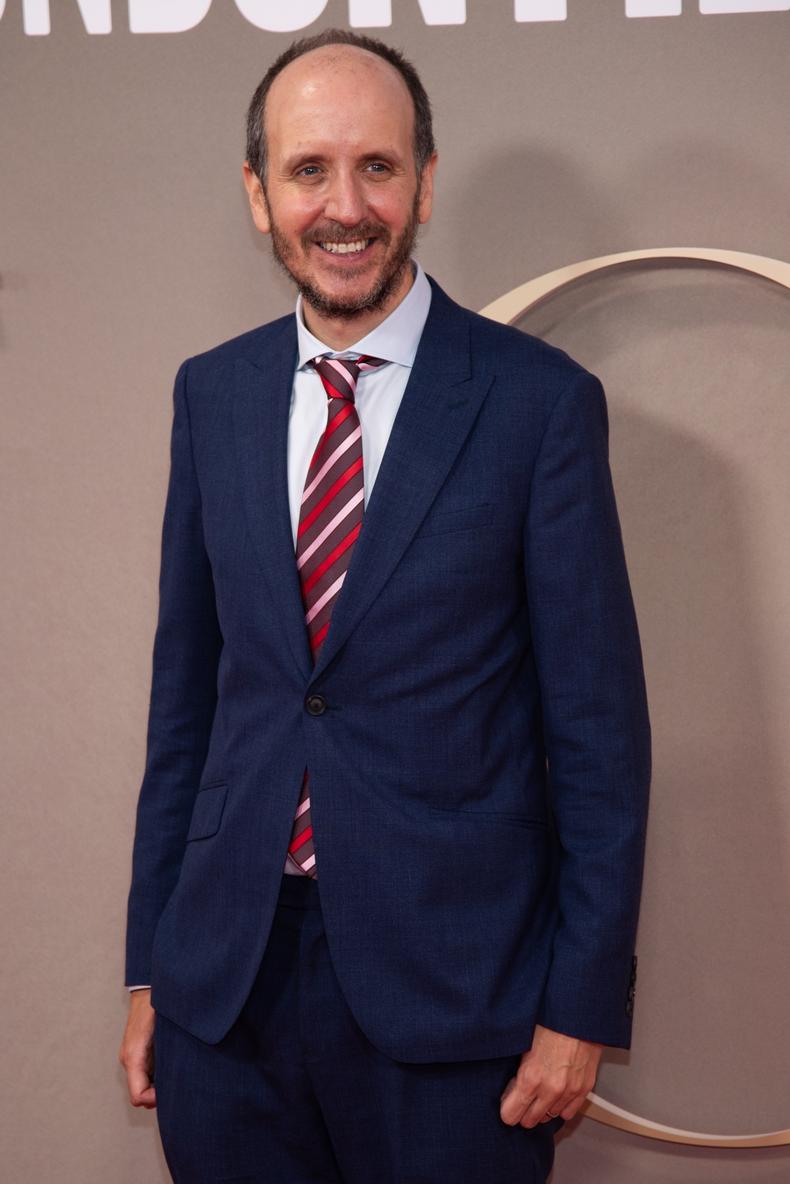
Jack Thorne: Loredana Sangiuliano/Shutterstock