Getting cast in one of John Ridley’s politically charged dramas comes with one caveat: Social engagement and open-mindedness are weighed as much as an authentic embodiment of his characters.
When seeking talent for his Showtime miniseries “Guerrilla” (which explores a political resistance movement’s rise in a racially tense 1970s London) or for ABC’s dearly departed anthology drama “American Crime” (which depicted the United States’ darker shades of systemic prejudices across race, sex, and class), Ridley says it was important that his cast already be “engaged and interested” in the macro-level issues he’s translating to the small screen.
“I never assume that anybody who’s coming to the shows shares my worldview or my politics,” Ridley says, citing specifically the multifaceted observations on “American Crime.” “[But] it’s very important that we have actors who are inquisitive and who want to know more and who don’t have a calcified view of any single topic.” In other words, actors cannot be afraid to bring the ugly divides between some of these national conversations to life. They are as likely to portray the one who’s fallen victim to larger prejudices as they are the one perpetrating them.
“[Actors need to] really embrace the idea that there are a lot of charged conversations out there, but if we don’t get beyond the most electric levels, there really isn’t much of a discussion and there really isn’t a lot of perspective,” Ridley says.
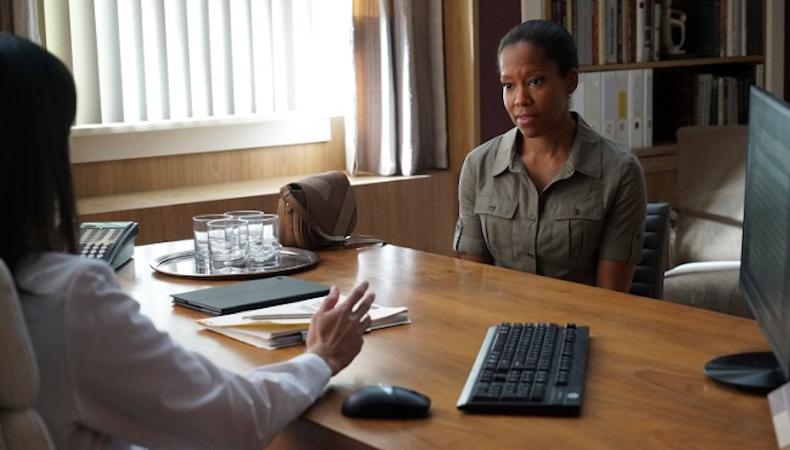
One of the ways Ridley ensures such moral gradients are adequately portrayed is by bringing real-life professionals to the set “who spend their lives working in and around many of the issues that we’re dealing with” to discuss their firsthand experiences. In a recent interview with Backstage, “American Crime” star and two-time Emmy winner Regina King recalled meeting extensively with the director of a residential shelter’s nonprofit program for homeless women living in Pasadena, California, which informed her Kimara Walters, a social worker aiding sex-trafficked youth in Season 3.
During the show’s run, King was joined by other Ridley repertory performers Felicity Huffman and Timothy Hutton, plus collaborators Lili Taylor and Connor Jessup, among others. Ridley says that his series’ recurring ensemble was composed of “individuals who had capacities to not just act, but really transform,” which was of course necessary, considering they were creating new characters from season to season. The series was also fertile ground for new actors to come in and create alongside his regulars (see: unforgettable turns from Joey Pollari in Season 2 and Ana Mulvoy Ten in Season 3). Ridley says his players’ backgrounds in theater created the understanding that “the only way the show is going to reach its fullest potential is [by] working with everybody,” building a familial atmosphere and creative trust with new talent and veterans alike.
READ: Emmy Nom Lili Taylor Talks ‘American Crime’ and Karaoke
When it comes to getting the opportunity to become the next freshman face in Ridley’s ensemble work, the showrunner says he’s looking for an actor’s distinct individuality.
“What always surprises me is individuals who find a way to take the material and not make it so completely different that it jumps outside of the show, but [who] personalize it, interpret it, make it fresh—make me feel like this is the first time that I’m hearing it,” Ridley says. “That level of confidence where they deliver the material with that sense of, ‘I just gave you what you’re looking for; it’s up to you to decide whether it’s there or not.’ Always initiate that. Not overconfidence, but also not that sense of, ‘Oh, gosh, I don’t know if I got it right or not.’ Just, ‘I did it, there you go, I’m going to walk out the door, I’m sure I’ll hear from you if you think it’s right.’ [The right actors] show you all the things that you were trying to put on the page.”
Want to star in TV’s next big thing? Check out Backstage’s TV audition listings!