There are two main reasons actors get called back or cast: their auditions are effortless and they think about character the way everyone on this side of the camera thinks about character which is also how the film camera thinks about character. We call back and cast actors who are effortless in the frame because they’re believable on camera.
Think of an audition as a job interview where the number one job requirement is knowing how to be believable. The key being believable on camera? Being effortless in the frame.
This is a challenge for many actors because their process teaches them to react on every line and give every line a different intention and importance. It teaches them to use inflection and emphasis to make moments interesting and to make discoveries and have realizations through the scene. It teaches them to drive the scene in an effort to affect the other character and make the scene happen. All of that makes an actor unbelievable on camera.
A good director can easily take a well-trained actor who doesn’t know how to be believable in the film frame and direct that actor to be believable and interesting. But why would a director want to do that when he or she can find actors who know how to do it on their own already? There is no part of the process directors hate more than having to fix an actor on camera or make an actor work in the frame. Actors love it when a director pulls a performance out of them but directors hate it when they have to.
READ: The Do’s + Don’ts of Moving in the Film Frame
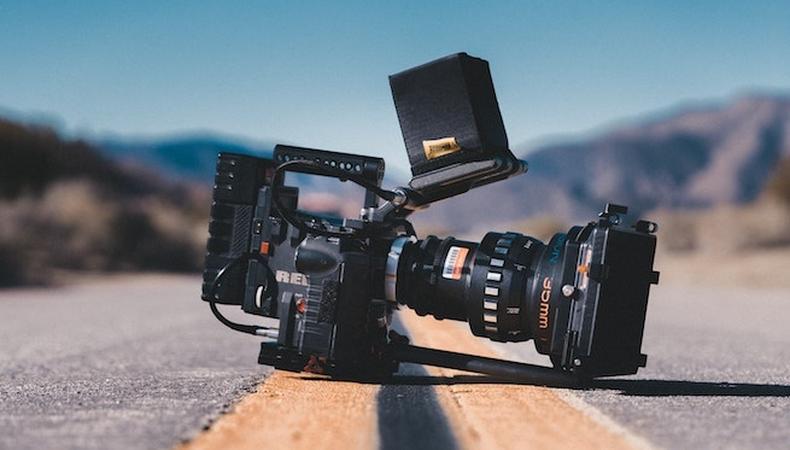
When it comes to character, we call back and cast actors who create character the way the camera thinks about character, not the way actors are taught. Actors are taught that there is no character. That they are the character and the character is them. The result on camera is vague and general. Keep in mind that the film camera was originally designed as a silent medium. The only reason we have dialogue in films is that someone figured out how to capture sound along with picture, not because dialouge was needed to move an audience. Today, dialogue is integral to movies but the fact remains that the film camera was designed to capture character first and character as it exists outside the material. Character is the language of the film camera.
Not sure how to start thinking about character? Here are some ways I advise actors when it comes to creating character the way filmmakers and the camera think about character:
Imagine the movie starts with a minute or two of opening credits while your character wordlessly goes about his or her day. By the end of the opening credits and before a word is uttered, we know who your character is.
If someone saw your character in line to order coffee, would that person recognize your character just as easily as if you were playing the scene? If your character can survive my coffee test, you’re creating character the way the camera thinks about character.
After you record a take, play it back with the volume muted. If you can clearly see a vivid character without sound, you’re creating character the way the film camera thinks about character.
Check out Backstage’s ABC casting calls!
The views expressed in this article are solely that of the individual(s) providing them,
and do not necessarily reflect the opinions of Backstage or its staff.