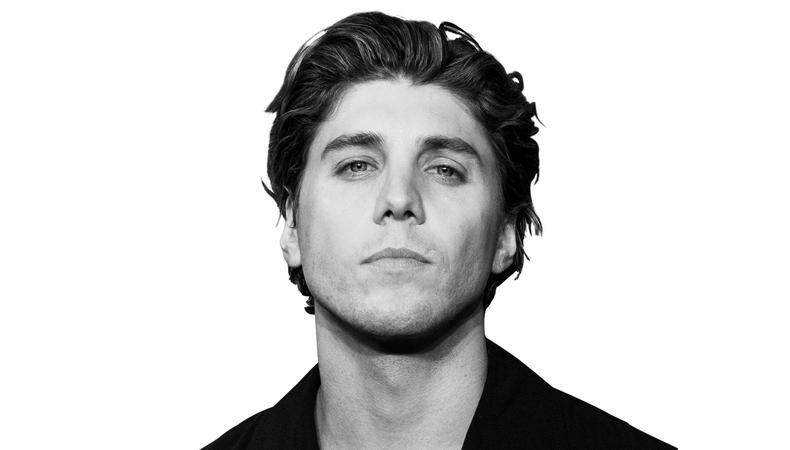
Lukas Gage never seems to miss. More than a decade into his career, the 29-year-old actor has starred in an impressive string of projects, including “The White Lotus,” “You,” “Fargo,” “Road House,” and “Smile 2.”
“Maybe my instincts were right, even when people were telling me not to do that thing,” Gage says. He’s hoping his magic touch will extend to Drew Hancock’s “Companion,” out Jan. 31. The twisty psychological thriller, which follows three couples on a weekend getaway, puts a new spin on viewers’ ideas of screen romance.
1. How did you juggle the various genres at play in “Companion”?
Some people could be worried about that; but for me, there’s a liberation to it, because I love when I’m laughing in one scene and scared in the next. When I see that on a page, I’m like, Thank God—I don’t have to just be one thing and be screaming the whole movie; there’s levity and humor. It feels more human to me.
RELATED: How to Get Cast on 'The White Lotus'
2. What’s the biggest challenge of horror acting?
You can’t anticipate anything, especially when you have a death scene coming up or you’re supposed to feel a really heightened emotion. You know that you need to get to this certain place. But whether it’s by doing pushups or screaming into a pillow, I get it out of my head, because the camera will catch you. I’ve seen it in some stuff of mine; I’m like, Fuck, I was definitely waiting for that moment. The biggest thing is just allowing yourself to be surprised.
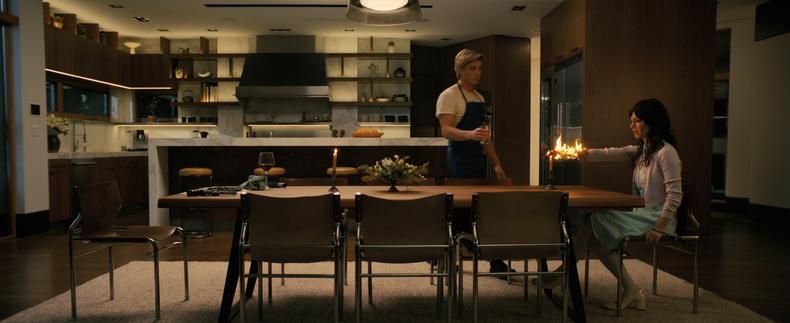
Lukas Gage and Sophie Thatcher in “Companion” Courtesy Warner Bros. Pictures
3. What advice would you give your younger self?
Just be OK with failing. You think everything is so important and that everyone is going to remember every flub. The beauty [of acting] on camera is that you can have as many takes as you want—so take advantage of that. Don’t be afraid to look like an idiot, because I think I was just posturing and trying to look cool, and so I never took any chances; I was too scared. So I would say, “Let go, little Lukas; it’s all good!”
4. Who are the collaborators you’ve learned the most from?
I just did a movie [“Rosebush Pruning”] with Riley Keough, and she could teach a class on naturalism. She takes as much time as she wants to say her line until it’s organic to her, and that was so inspiring.
And then Billie Lourd is one of the best improv actresses; she keeps every take fresh and different. I get a bit scared to improvise, especially in the very beginning; but Billie came in on the first day [of filming the upcoming “Love Language”] and threw the craziest improv out, and it’s probably going to make the movie. I learned from her to just trust my instincts with improv.
5. You received a lot of support when you posted a video of a virtual audition in which a director made disparaging remarks about your home. What advice would you give to other actors about dealing with uncomfortable moments like that?
It’s not personal, and it’s not about you. And I know that seems like a cliche, annoying thing to say, because [you might think,] Well, it is personal, because someone got the part and they’re better than me. But there are so many aspects—height, energy, look—at play that have nothing to do with your talent.
Take the power back as an actor and be like, Is this the kind of person I want to work with? Are they going to be receptive to my personality and the way that I work? It’s a hard thing to say when you’re getting started, but you have power as an actor, too. What you’re selling is uniquely yours and special, and no one else can do it.
This interview has been edited for clarity and length.
This story originally appeared in the Jan. 23 issue of Backstage Magazine.