Welcome to Behind the Fest, Backstage’s questionnaire series with film festival figures looking for that next big festival hit. Featuring behind-the-scenes insight from the organizers and programmers at Sundance, TIFF, Cannes, and more fests from around the globe, these tips might just hold the key to your indie film success story!
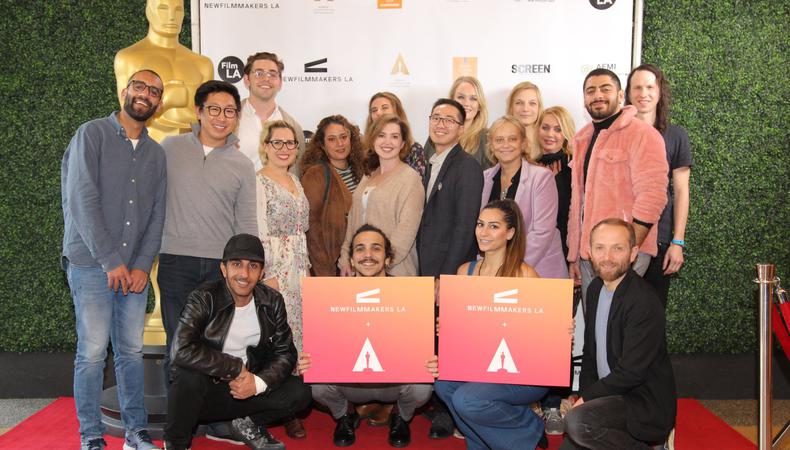
For NewFilmmakers Los Angeles’ monthly film festival, the idea of spreading out an annual film festival’s worth of films across more frequent installments is all about higher visibility for filmmakers. “You are going to get a little bit more hands-on guidance and a little bit more of a personal touch,” says Programming Director Bojana Sandic of NFMLA’s approach.
The non-profit film festival, now in its 13th year, regularly partners with organizations all over the Hollywood landscape, including the Producers Guild of America and Sundance Institute, for its monthly programming. Each festival features shorts, documentaries, and feature films submitted from all over the world. Additional programs offered monthly, such as the InFocus diversity initiative, seek to combat a lack of diversity in the film industry by highlighting an underrepresented group of filmmakers each month.
Filmmakers can submit films directly through NFMLA’s website or on platforms such as FilmFreeway. Submissions are accepted on a rolling basis for the monthly festivals.
Backstage spoke with Sandic, Events & Outreach Director Andrew Acedo, and Executive Director Larry Laboe about the unique model of NFMLA and how festival attendees can network—even, these days, virtually. Check out the events page at newfilmmakersla.com for upcoming programming, resources, and more.
 How to Submit to Film Festivals, According to Programmers
 What was the intent behind creating a monthly film festival?
Larry Laboe: We just celebrated our 13-year anniversary in August. We saw a sort of niche area within the Los Angeles market where we only had a couple of general film festivals that took place annually. They’re pretty niche types of content or content creator festivals. And we just felt this was a way to bring filmmakers from all over the world to Los Angeles every month. So the intent behind it was really just that, to give audiences and industry and filmmakers an opportunity in Los Angeles to have a place to both showcase and be showcased all throughout the year and in a much more digestible format.
If you look at an annual festival, you might have 150 to 200 films all playing within one week, once a year with panels and workshops and galas and tributes and mixers and all kinds of other events going on. So it’s a pretty overwhelming week. And the filmmakers who kind of tend to get the least visibility at those larger festivals are the short filmmakers and the really small independent features. Our model was, instead of that 30-day lead-up of having to talk about or promote 150 or 200 movies within one week, we’re instead going to have a 30 day lead-up to promoting about 15 movies and playing 15 movies each month at a monthly festival.
Tell us about your InFocus initiative.
Bojana Sandic: One of our programs every month is part of our InFocus initiative, which spotlights a particular set of content creators specific either to a regional or demographic perspective that really kind of serves as a focal point for those types of creators within our annual program. So for example, we have in February InFocus Black Cinema, in March InFocus Female Cinema, where we focus on women directors. It’s really kind of a way to put a spotlight on filmmakers from certain regions, backgrounds, and perspectives. And then the rest of our programs are general, just based on timeline, when content is submitted to us. Because our submissions are open year round, and that’s a mix of all of the above essentially. But we do like to have those specific events that highlight particular parts of our community because they’re really good for gathering people together for community partnerships.
You accept submissions year-round, for any of the monthly festivals. So, what does programming for you look like with such a quick turnaround?
BS: It essentially is programming a mini festival every month, which does put it on a big turnaround. We typically lock programs about three months out from when they happen. It’s a little bit easier now that we’re doing it over Zoom when [filmmakers and audiences] might be able to attend. So we call them for the month that we’re currently focused on programming. And we’ll say, “Hey, are you available for this and this date?” And they [may] say, “No, but I could do the month after, or two months after that.”
What would you say are the benefits of submitting to NFMLA’s film festivals?
BS: Simply because our attention as a film festival staff is entirely on these three programs...you’re not competing for either our time or audience time and attention with other competing programs that are happening at the same time. And then the other benefit, I would say, is that there’s a greater agility that you can have in placing us in your film festival strategy overall, because we are flexible in that way and we can move things around.
Andrew Acedo: In terms of curating participation from press that we might be pitching or industry [members who] we might be pitching to try to bring them in to do development meetings with the filmmakers or workshops with the filmmakers—we’re able to tailor that a lot more specifically to who that group of filmmakers is because it’s a much smaller, more nimble group of people.
 How to Become a Film Director
 What advice would give you festival attendees in general, especially now with virtual festivals?
LL: I’d say the key thing is to really engage. I would recommend doing research on the festival schedule beforehand. So knowing who the filmmakers are, knowing what the projects are all about that are playing at the festival, depending on what you’re looking for, knowing who the cast of the project is, knowing who the crew of the project is. Most festivals, including our festival, have different [professionals] doing panels or are part of an industry delegation or a jury. [Attendees should participate] in Q&As, creating an active dialogue with that person or the cast and crew of that project...on panels in real time on social media where things are happening.
Of course, it’s important to be authentic when you’re doing that, but we’ve seen a lot of people really build relationships that way. We’ve seen that continue virtually, where an actor or an attendee will ask questions during the Zoom Q&A and they’ll ask, “Can I get your information?” And the director just drops it in the chat. So I think there is a lot of opportunity there for people who are looking to build relationships at festivals.
Click here to find L.A. casting notices near you!
Do you have advice for early career filmmakers on how to get their film noticed?
BS: I would say, really try to get as many eyes as you can on your project before it’s completed. Having a variety of perspectives, whether it’s a producer or an editor specifically offering their perspective on your project—you don’t have to take all of their suggestions, but don’t be afraid to get your feedback and get perspectives. It will help you learn your own voice and make your work stronger.
AA: I find a lot of my friends and filmmakers, they go to these festivals and they end up telling me, “I couldn’t network with anybody or connect with anybody,” “I was a little too shy or I was intimidated.” So I guess a quote for networking is: what you get out is what you put into it. You might as well make the most of your opportunity while you’re there and talk to as many people as you can, even if it might feel uncomfortable.
LL: I think it’s important that you ask yourself, when you’re starting to think about submitting to festivals, what do you want to accomplish from your film playing at a festival? Because asking yourself that question is going to really dictate what festivals you should and should not be submitting to.
Check out Backstage’s film audition listings!