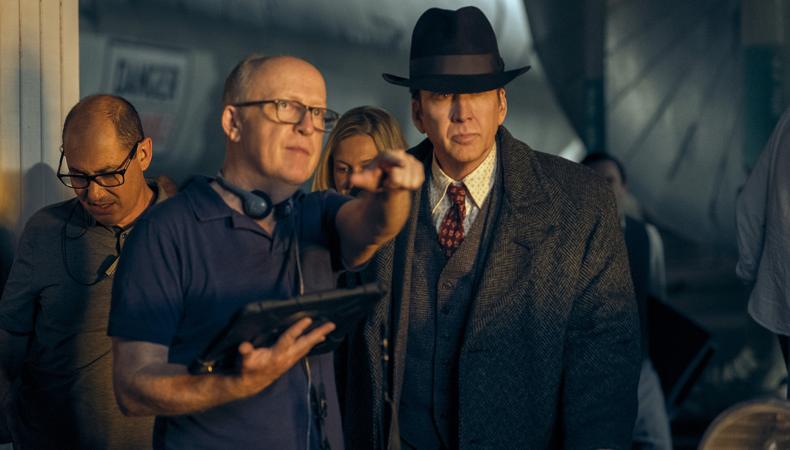
For three decades, Harry Bradbeer has directed some of the U.K.’s most acclaimed screen projects, from Phoebe Waller-Bridge’s Emmy-winning shows “Fleabag” and “Killing Eve” to Netflix’s “Enola Holmes” films. In 2019, he made the jump to American projects with Hulu’s “Ramy,” directing the pilot. But even he was surprised when he got the call to help shape the Spider-Man story “Spider-Noir,” from creator Oren Uziel.
“I’d never done a superhero thing, and I was not particularly a superhero fan,” Bradbeer admits. “I don’t know why they came to me, but it might have been because I’m an emotional character– and actor-led director.”
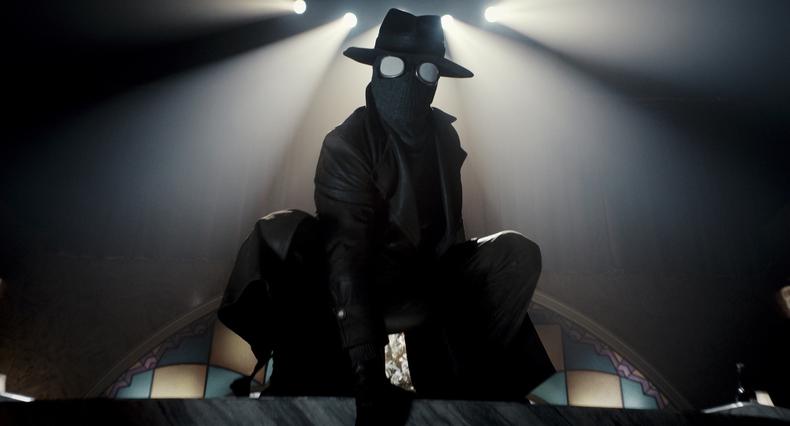
As well as serving as an executive producer, Bradbeer directs the first two installments of MGM+ and Prime Video’s “Spider-Noir,” which stars Nicolas Cage as Ben Reilly, a private investigator in 1930s New York, who also happens to be a grizzled, aging version of Spider-Man, known as the Spider. For inspiration, he revisited classics like “Touch of Evil,” “Casablanca,” and “Chinatown.” Weeks before filming came another twist: The series would be released in both black-and-white and color versions.
“It was a big challenge to light something so that it can be shown in black-and-white and color,” Bradbeer says. “I prefer black-and-white; that’s what I would watch. But if some people will only watch this in color, then welcome, join us!”
Ahead of the series’ May 27 streaming debut on Prime Video, we chatted with Bradbeer about working with Cage and why filmmakers should never stop searching for their creative family.
What’s your “Spider-Noir” origin story?
What I loved about it was I’d never met a superhero I really cared for, and I connected with [the character’s] midlife crisis and emotional problems. Seeing it through the prism of having Nic in the role, he just seemed like such a sympathetic, hapless, and gorgeously flawed human being. We’ve had the innocent, naive young man in Peter Parker, a boy who can’t get a girl, but not a middle-aged man who’s brokenhearted and on his knees and has given it all up. So there was a complete departure from what I’d understood as being the superhero genre, and it just gave a wonderful window into it. It also gave me this mashup of superheroes, film noir, comedy, and graphic novels. I thought, Well, this is gonna be a unique animal. And, on top of that, [making it] in black and white—it was all my Christmases coming at once!
Cage seems like the type of actor who really takes the craft seriously and goes deep into preparation. What was it like developing this character with him?
It was fascinating. He’d never made television before, so he was keen to hear from me how it would differ. Our very first day was quite unforgettable. He said, “I see this as Humphrey Bogart,” and I said, “Oh, that sounds great. How’s that gonna be?” And he said, “Well, we’ll try it out.” So we went to my office, and he said, “Let’s just read.” I said, “A scene?” “No, everything. I’ll read my lines, you’ll read everything else.” We read both episodes, from top to tail—the love scenes, the action scenes. I played all the other parts. I hadn’t acted for a while, and it was a joy. We bonded over that, and from then on, we got on like a house on fire.
When did you realize that this is what you wanted your life to be?
I’d always watched television fanatically as a child. Nic and I realized we both had an extraordinary experience watching “Midnight Cowboy” late at night on TV for the first time. My heart really was in acting, so I wanted to be an actor. I acted a lot on the stage at university, and just before I was about to embark on a career as an actor, I directed a play, and, at that point, I pivoted straight to film school. And the moment I stood behind a camera, I just felt at home.
Was there a formative lesson for you early in your career?
The first lesson was learning how to work with actors and how to get them into rehearsal—not necessarily rehearsing the scenes, but to just talk about the characters and understand them. I worked with Rufus Sewell on my first film [1994’s “A Night With a Woman, a Day With Charlie”], and I started to plan out rehearsing the scenes, and he said, “Hang on, let’s talk about this person you’ve given me who is now going to be mine.”
[That’s when] I realized that rehearsal was really all about bringing together people so they know all that their characters experienced up until the point when they walk onto set. Understanding that you understand [the characters] is the best starting point for any film.
Your first American series was directing the pilot of the Ramy Youssef comedy “Ramy.” After so long in British TV, what was that initial transition like?
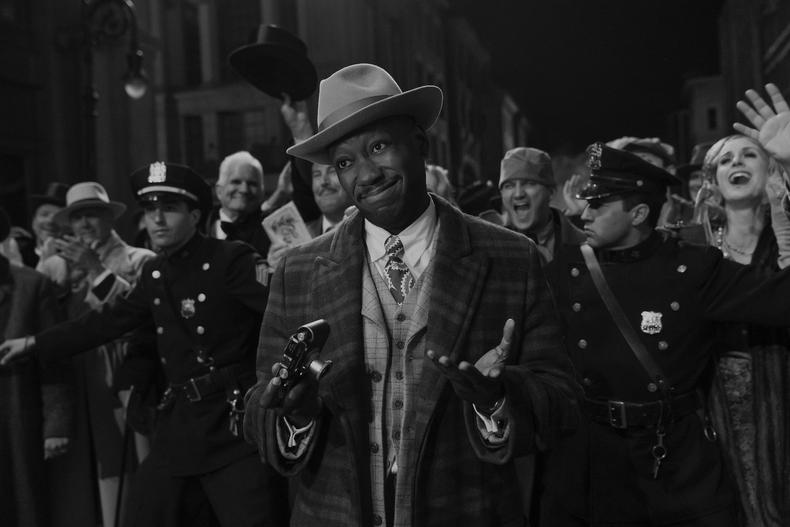
With “Ramy,” I was working with another writer-performer, like Phoebe, so that felt very natural to me. The first thing I said to Ramy was, “If I’m gonna work on this, you’ve gotta take me into your world, your family, your home, and your culture.” And so I arrived [in New Jersey] on a Thursday night, and I went to the mosque twice Friday morning with him, meeting his friends, and then went to his standup that night in New York. For five days, it was a whirlwind jump into Ramy’s world—an extraordinary experience.
Then I came back to England and was going to return for prep, but my visa got held up, so I only had eight days on the ground to actually prep before we did the pilot, which was insane. But what I loved about making “Ramy” was it was so quick—it was a bit like making a student film, because we were so on the lam.
What advice would you give to aspiring directors?
If you have not worked a great deal with actors, spend some time with them; go to acting classes and see if you can direct some. There are plenty of actors out there who want to work with directors. It’s very easy for filmmakers to get caught up watching film after film, writing film after film, and just getting too solitary. It’s a group exercise, so find the group you want to work with.
This interview has been edited for clarity and length.