Richard Strauss got the idea for Spirit Series many years ago, when he found himself the widowed parent of a 10-year-old daughter. His goal was simple but ambitious: to create a program that would enhance a child’s education through the art of storytelling.
“I was with the principal of my daughter’s school, and I mentioned this idea I had, and she said, ‘Well, this might work, but you have to link it to standards, which are the things that teachers have to teach at any given grade level,’” Strauss recalls. “For instance, every student in sixth grade has to study Socrates, but that might just be a 15-minute conversation or a reading in a classroom…. [This is] a way of us reorienting the priorities of a teacher.”
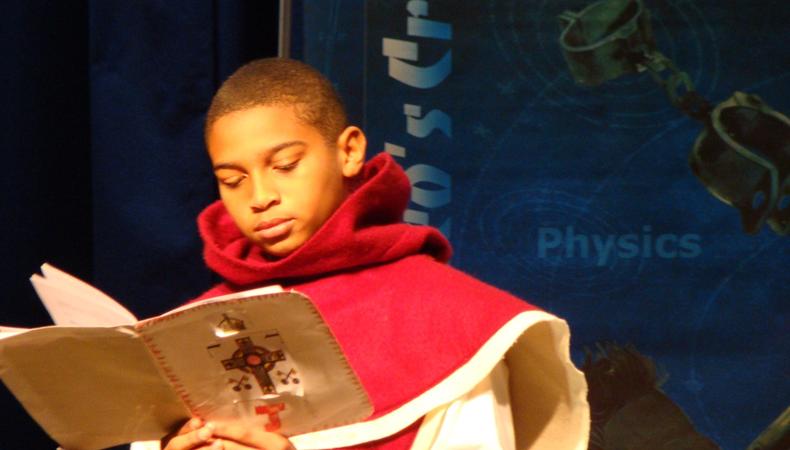
With Spirit Series, students in grades K–12 create immersive, theatrical productions of the subjects they’re already studying in school. Aided by carefully chosen instructors—many of whom are drafted from the world of theater and design—students create and perform plays based on historical figures like Harriet Tubman, Sitting Bull, Galileo, and even Socrates.
The program has become Strauss’ life work, but its impact has extended far beyond just him. Spirit Series has allowed over 60,000 students nationwide to bolster their skills both in and out of the classroom via a slate of programs that enhance the literacy and socially diverse needs of every participant, with no prior acting experience required.
Indeed, inclusivity is at its heart; students with learning disabilities, autism, natural impairments, and social anxiety disorders have all participated.
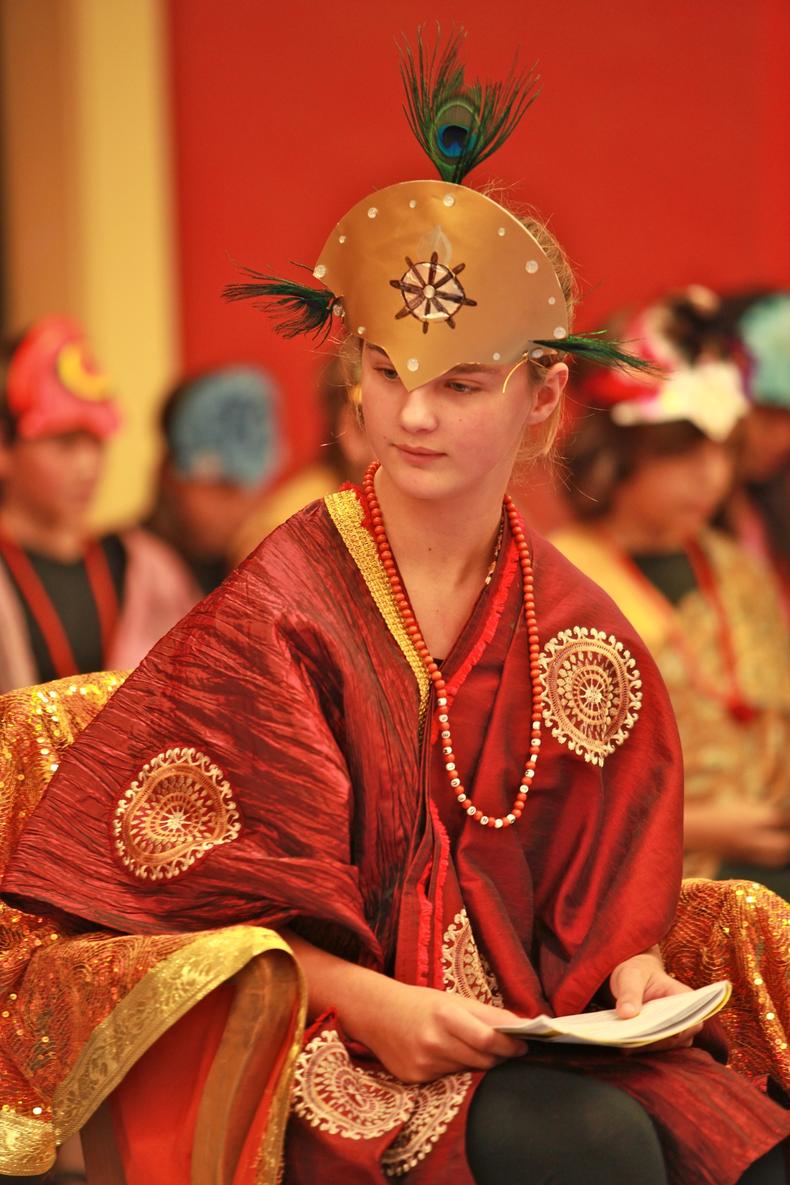
“Buddha Walks” Courtesy Spirit Series
“We have even worked with classrooms that are 100% students with special needs,” Strauss notes. His wife, Leslie Rachel Strauss, who is the program’s national co-director, adds, “All students participate, which also makes us a bit different than a lot of other arts organizations. It's not an opt-in, and we do it during the school day because it meets requirements for English, language arts, and history.”
She adds that every student participates, and they’re cast by lottery. “Everyone has a role,” she says. “So that allows students who have incredible learning or language challenges to end up with the largest role in the cast. And we see students rising to the occasion. There's such incentive to reinvent themselves and do a great job.”
Leslie, who attends countless performances at schools across the country, says that once students are absorbed into the Spirit Series programs, their confidence visibly swells. “Students are very aware of what other people think, and they're focused externally,” she explains. “Our program is really to have students look internally and be self-reflexive.”
Since its founding in 2001, the company has partnered with 130 schools in five states, with the strongest presence in California. The program varies among regions—for instance, their New England schools engage in Spirit Core, an online-based initiative, and Spirit Series on Screen, which allows educators to self-implement their core curriculum. As the Strausses eye more schools to partner with in the coming years, their goal remains the same: giving students the opportunity to connect through storytelling.
“We've got hundreds and hundreds of personal testimonials from kids who say this changed their lives, but I think the surprising thing is the way this connects to the deepest needs of all the kids,” Richard says. “I realized with my daughter that you can't preach to kids. Can't tell them, ‘You should do this, you should do that.’ But you can tell them a great story that engages them, and at the heart of that story are the values they need to become the kind of adults we would like them to become.”
For more information on Spirit Series, visit spiritseries.org.