
Over her three-decade career, Taraji P. Henson has notched an Oscar nomination, four Emmy nods, and a Golden Globe win. The latest step in her journey is her star turn in Blitz Bazawule’s “The Color Purple,” a big-screen adaptation of the Broadway musical based on Alice Walker’s landmark 1982 novel. Henson plays Shug Avery, a charismatic blues singer who helps the reserved Celie (Fantasia Barrino) find a spark of life and romance in Jim Crow–era Georgia.
How did you first get your SAG-AFTRA card?
When I first moved to L.A., I had a friend, Simbi Kali, who [played Nina] on “3rd Rock From the Sun”; and my little cousin was on this show called “Minor Adjustments.” I did three SAG extra gigs between those two shows, and that’s how I became SAG-eligible. And then I paid for my SAG card, because I didn’t want [not having it] to be an issue. I came out here knowing I was gonna work.
You studied drama at Howard University. Are there any lessons you learned during your formal education that you still use?
I remember in Acting 101…[the teacher] always told us about the “moment before”: Where [is your character] coming from? That helped me a lot in making the shift from theater to film.
In theater, you have the luxury of telling the same story every night from beginning to end. But with two movies in my career, [“Baby Boy” and “The Color Purple,”] the first day [of filming] was the last scene of the movie. You have to know where you are at all times when you’re filming; you start in different places every day.
So that helped me a lot…knowing where I just came from, why I’m in this scene, and where I’m about to go. That’s always on your mind as a person as you move through life. If you’re coming in from the cold, you walk in the door differently; if you’re coming in from an argument, your energy is very different from if you’re just waking up.
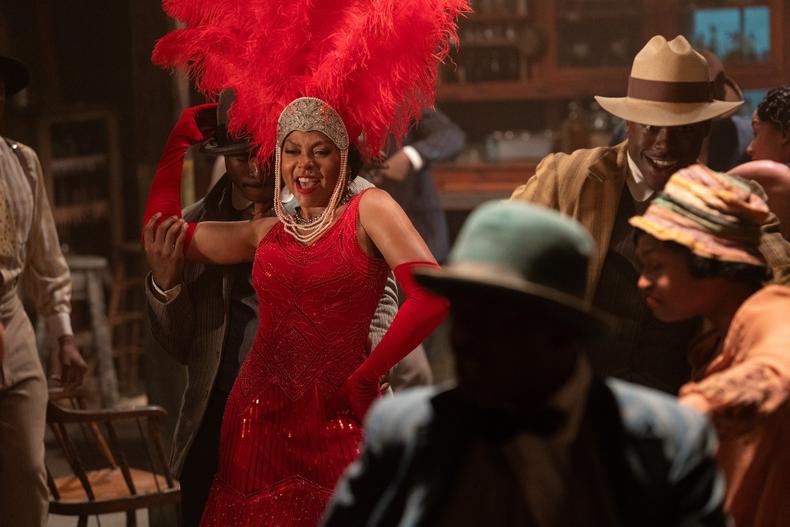 Courtesy Warner Bros. Pictures
Which role shaped you most as an actor?
All of them. I can’t even give that credit to one [part], even the next one that I haven’t done yet. I’m continuously being shaped and molded, changed and shifted. If I’ve arrived, then I’m dead—because I’m still learning.
What do the best directors you’ve worked with have in common?
They know who to cast—but not only that. A lot of times, the director can choose the cast, and then the studio may have something else to say. So I love directors who fight for their casts.
What’s one mistake you’ve made in your career that you’ll never make again?
Not saying no one time when I should have. “No” is powerful in this town, and when you know your worth, you’ll sling that “no” around more often.
This story originally appeared in the Jan. 25 issue of Backstage Magazine.