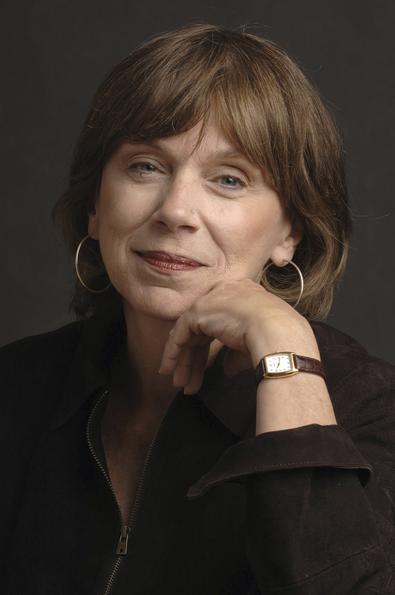
Julianne Boyd founded the Barrington Stage Company in 1995 because she knew there was a thirst for theater in the Berkshires beyond the summer months. Barrington, where Boyd is the artistic director, now produces works from May to October, as well as February’s 10x10, a 10-minute plays festival, in Pittsfield, Massachusetts.
As artistic director, you deal not just with the creative side, but with the business side as well.
I have to be passionate about the play when I select it. I have to live with that play for a year or even two years. But passion isn’t enough to put a play on. In the theater, it’s difficult to live in the world of realism. I want to do things I love, things that would be great for the theater, but at the end of the year, we need to end in the black.
Is there a lesson you’ve learned from the business side?
Because of my experience working with the Stage Directors and Choreographers Society and [experience with] budgets and directors’ salaries, I was very aware of that when I became an artistic director. I have a fabulous board with strong financial backgrounds, and we can work together to figure things out. You want people on the board and patrons who understand and support your vision. It’s important to continue to verbalize and explain your vision so people are clear about what you’re trying to accomplish.
It seems that surrounding yourself with good people is important to what you do.
It’s important to ask questions; the person who’s not so bright is the person who doesn’t. I’m learning every day. It’s our job to stay in the forefront and to bring the staff, our board, and our patrons along with us.
What’s the benefit of being outside of the New York theater scene?
We cast our shows in New York and our creatives are in New York, but it’s outside of the pressure of the NYC theater world. Actors can try things here they wouldn’t there, [can] spread their wings and fly. A playwright who writes comedy is doing a straight play [for example]. In the Berkshires, as in many regional theaters, it’s more of a community. It’s hard to feel that closeness with New York’s theater. We provide housing and cars, we exchange ideas. It’s a warm and inviting place to work together with an artistic community who cares.
Do you have any advice for aspiring artistic directors?
Read everything you can about theater. It’s important for an artistic director to speak the language of what’s happening, to know new playwrights. Read and experience theater. Know all areas of the business. Get a job in marketing. How are you going to market a play? How are you going to get a patron to support a play? You have to know lighting and set construction. Know dramatic structure. You really need to know what makes a good play.
Like this post? Check out more of our Inside Jobs!