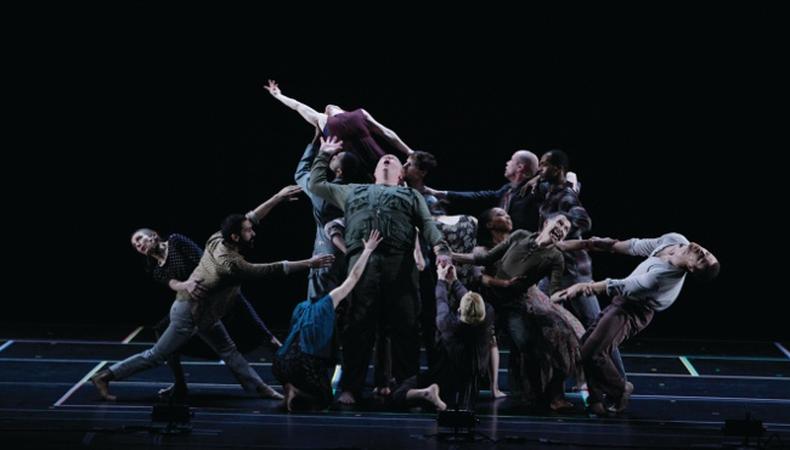
Ever since the phrase “physical theater” came to be, it’s been attached to the Saratoga International Theater Institute, known as SITI Company. “It seems really weird, though,” says Leon Ingulsrud, one of the company’s three co–artistic directors. “I have a problem with that [label] because I’ve seen a lot of plays and have yet to see one that wasn’t physical. Maybe a radio play?”
Co-founded as an ensemble of performers and other theater artists in 1992 by Anne Bogart and Tadashi Suzuki, SITI developed its singular training style by combining the two teachers’ respective acting techniques. Bogart’s movement-based Viewpoints allows actors to compose stories using time and space, while the Suzuki Method focuses a performer’s energy on body awareness and intense core work. Some of the top acting and dance programs in the world teach both techniques, but few of them can claim such direct lineage as SITI.
“Anne said early on she felt she needed to have a big company for a number of reasons,” recalls Ingulsrud, an original ensemble member. “In her experience, she’d never seen significant work in the theater in anything other than an ensemble.” During the ’90s especially, companies built around true ensemble work were a rarity. As Ingulsrud says, “the theater world in [American] culture is not designed around the ensemble, but more around the individual actor or artist.”
Executive director Michelle Preston points out that SITI’s continued longevity is largely unprecedented in the thespian community. “This ensemble has been together since 1992; it’s in its 24th year! Ten members have been working together since its founding.” SITI endures because its three primary goals—to create innovative new work, to train and share research with other artists, and to collaborate on an international scale—constitute an artistic ideology to which young artists can subscribe.
In fact, SITI’s opportunities for such artists are expanding. Work/Space, a recently launched three-week work session, is designed to shift their focus from producing one big theater piece to cultivating multiple company members’ various projects. Their intensive biennial conservatory, a 26-week program based in NYC, recently started accepting 20 artists at a time; five-week winter training sessions mix experienced performers and beginners, while shorter workshops with professional artists or schools occur year-round around the globe. The company’s longest-running program, a four-week residential summer session at Skidmore College in Saratoga Springs, New York, has helped thousands of theater artists hone their craft for 24 years. (This year’s intensive takes place June 5–July 2; the application deadline is March 14.)
Ingulsrud encourages all SITI alumni to go on and create their own performance styles—“We don’t want to make artists who make work that looks like ours,” he says—and likens the process to the Velvet Underground’s first album. “The legend about that album was it sold 1,000 copies but every copy led to another rock band. Part of what we’ve been doing is cultivating the field and keeping the ground fertile for other people.”
In addition to the specific Viewpoints and Suzuki skills their training fosters, SITI’s student-collaborators tend to become versatile, imaginative performers who can thrive in any theatrical context. “Having watched company actors for the past few years,” says Preston, “one of the things that strikes me is their ability to command presence no matter the architectural setup. One of the things they’re very good at, that you would never know, is adapting when things go wrong.”
“Something actors can benefit from is a certain tenacity onstage and off, a strength of will and concentration,” adds Ingulsrud. “We want you to be able to do your thing, and that’s often a fight in the world.” As for whether such work can earn performers a real living, he says, “It’s not easy. But it can be done. Don’t wait, start making your work! Grab your friends and jump into the pool.”
Inspired by this post? Check out our theater audition listings!