Have you ever found yourself emotionally invested in a story, only to feel overwhelmed by the intensity of the content? It’s not uncommon to become emotionally attached to a character or storyline, but sometimes it can be difficult to process everything that’s happening onscreen or onstage without becoming completely consumed by it. That’s where the concept of aesthetic distance comes in. In the world of film and theater, aesthetic distance is used to create a critical and analytical perspective that allows the audience to engage with the work without becoming emotionally overwhelmed.
JUMP TO
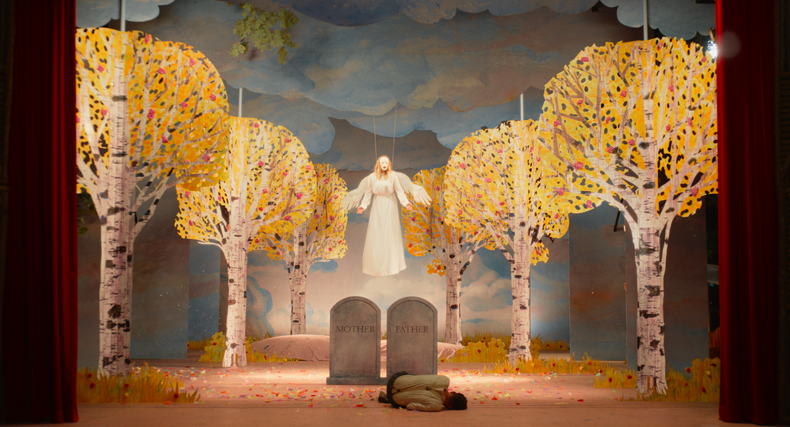
“Beau is Afraid” Courtesy A24
At its core, aesthetic distance is a tool used by artists in film and theater to create a sense of detachment between the audience and the work. This detachment can be achieved through a variety of techniques, including humor, symbolism, and narration. By forcing some distance from the subject matter, the audience can take a break from the weight of more intense scenes and emotions. The use of aesthetic distance is particularly effective in works that deal with heavy or challenging subject matter, as it allows the audience to process the content without becoming consumed by it. However, it’s important to strike a balance between emotional engagement and critical analysis, as overusing aesthetic distance can create a sense of detachment that can alienate the audience.

“Inglourious Basterds” Courtesy The Weinstein Company
There are a variety of strategies that artists use to create aesthetic distance in their work. Here are some of the most effective ones:
- Humor: One successful strategy is to use humor, as it can help to break tension and create a sense of relief for the audience. This can be particularly powerful in works that deal with dark or heavy subject matter, as it allows the audience to take a break from the emotional intensity of the work.
- Symbolism: By using symbolism and metaphors, artists can create a layer of meaning that the audience must interpret before getting to the deeper parts. This interpretation creates a mental distance between the audience and the work, which allows them to engage with the content without becoming emotionally overwhelmed.
- Narration: Another strategy to create aesthetic distance is the use of a narrator or voiceover. By using a narrator, the audience is reminded that they are watching a work of fiction and, while they might be moved by the story, the essential disengagement lets them process the content at a more manageable pace.
 How to Narrate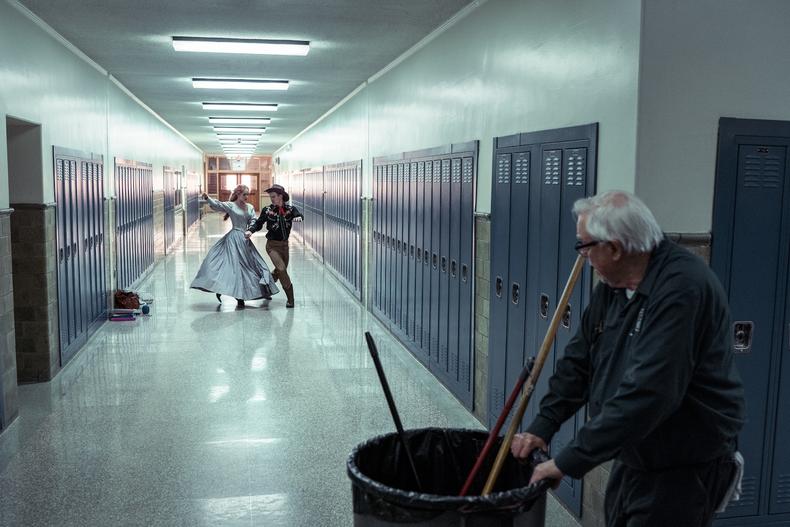
“I'm Thinking of Ending Things” Credit: Mary Cybulski/NETFLIX
While aesthetic distance can be a useful tool in creating critical engagement with a work, there are times when it may be necessary to minimize or even eliminate it. For example, in works that aim to create a strong emotional impact on the audience, such as a tragic play or a gripping thriller, minimizing aesthetic distance can help to increase the emotional intensity of the work. Here are some ways to minimize aesthetic distance:
- Realism: One strategy for minimizing aesthetic distance is to use a realistic approach to storytelling. This can be achieved through hyper-realistic dialogue, naturalistic performances, and a focus on authenticity and verisimilitude.
- Immediacy: Creating a sense of immediacy in the work, such as through the use of close-up shots in film or a minimalist set design in theater, can also minimize aesthetic distance.
- Identification: Finally, encouraging the audience to identify with a character or characters decreases aesthetic distance. This can be done by using first- or second-person narration, keeping a close narrative distance, and creating believable characters.
These techniques help to create a sense of intimacy between the audience and the work, which can increase emotional engagement and minimize aesthetic distance. However, it’s important to be careful not to overuse these strategies, as they can also create a sense of melodrama or sentimentality that can turn off the audience.
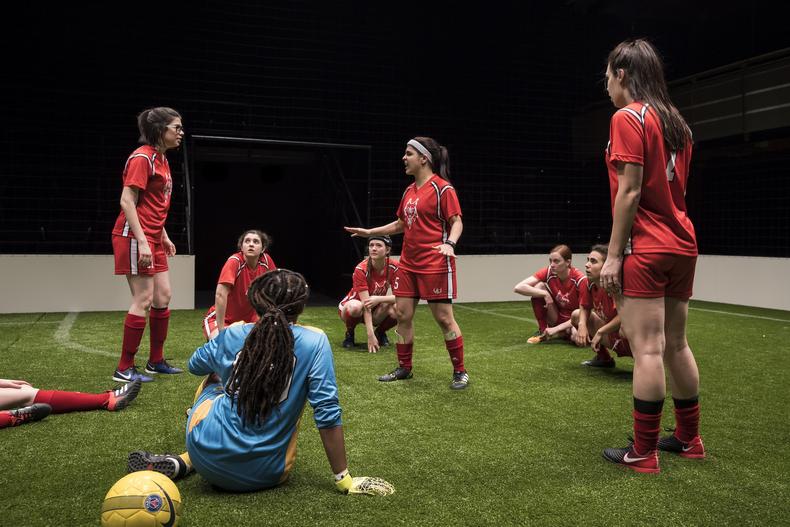
“The Wolves” Credit: Liz Lauren
Contemporary theater is full of examples of aesthetic distance used to great effect, as seen in the following examples:
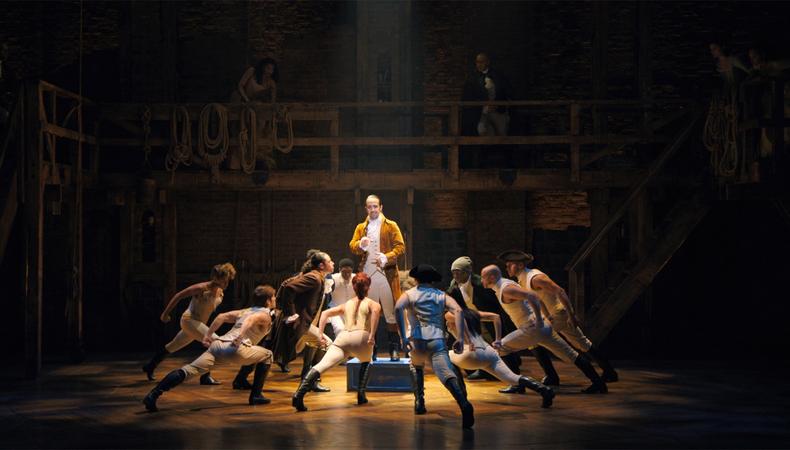
- “Hamilton”: The show “Hamilton” by Lin-Manuel Miranda employs humor, rap music, and anachronistic references to create a sense of detachment between the audience and the historical subject matter. This detachment allows the audience to engage critically with the show’s themes of power, legacy, and identity without becoming emotionally overwhelmed by the weight of American history.
- “The Wolves”: Sarah DeLappe’s “The Wolves” uses a naturalistic approach to dialogue and performance to create a sense of realism—but also uses symbolism and metaphor to create a mental distance between the audience and the work. This distance allows the audience to engage with the complex themes of adolescence, identity, and mortality without becoming consumed by the emotional intensity of the play.

“Eternal Sunshine of the Spotless Mind” Courtesy Focus Features
Aesthetic distance is also a common tool used in contemporary film, such as:
- “Eternal Sunshine of the Spotless Mind”: The devastating film directed by Michel Gondry uses a nonlinear narrative structure, surreal imagery, and dream-like sequences to create (much-needed) distance between the audience and the work. This allows the audience to engage with the complex themes of memory, loss, and love without becoming emotionally overwhelmed by the film’s emotional intensity.
- “Inglourious Basterds”: Quentin Tarantino includes a mix of humor, stylized violence, and alternate history to create a divide between the audience and the historical subject matter. This detachment allows the audience to engage with the film’s themes of revenge, justice, and heroism without becoming consumed by the weight of World War II.
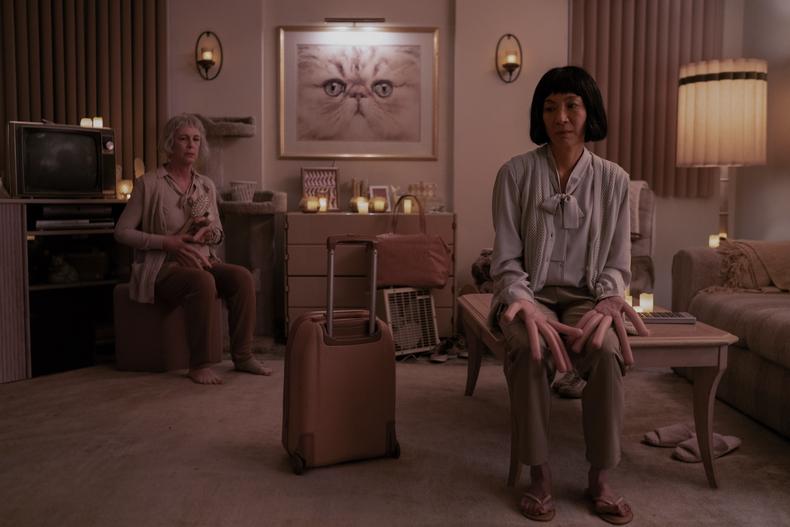
“Everything Everywhere All at Once” Credit: Allyson Riggs
- Actors: Being aware of the level of aesthetic distance in a scene can inform performance choices. If a scene requires a heightened emotional response from the audience, an actor can choose to minimize aesthetic distance through a realistic approach to their performance. Alternatively, if a scene requires a critical or analytical response from the audience, an actor can choose to increase aesthetic distance through the use of humor or a self-aware performance style.
- Writers: Understanding aesthetic distance can dictate authorial approach to storytelling and characterization. By intentionally creating a level of aesthetic distance, writers can challenge their audience to engage more critically with their work. The use of aesthetic distance also allows writers to create complex and layered characters that require interpretation and analysis.