Welcome to Behind the Fest, Backstage’s questionnaire series with film festival figures looking for that next big festival hit. Featuring behind-the-scenes insight from the organizers and programmers at Sundance, TIFF, Cannes, and more fests from around the globe, these tips might just hold the key to your indie film success story!
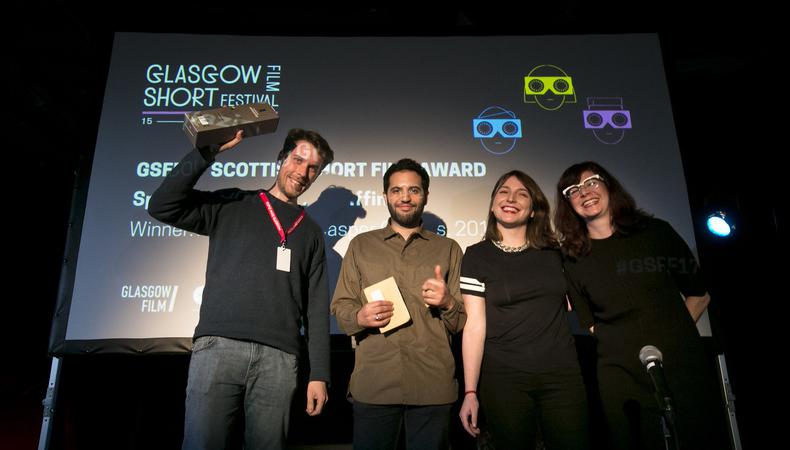
The largest competitive short film festival in Scotland returns for its 14th edition 22–28 March, providing an annual showcase of new and established international filmmakers. With a focus on being friendly, inclusive, and audience-focused, the Glasgow Short Film Festival tries “not to take ourselves too seriously,” per festival director Matt Lloyd. “Film festivals can be very silly, pompous affairs,” which this event resolutely is not.
Backstage spoke with Lloyd about the festival’s history, the 2021 iteration, and how important it is for filmmakers to request feedback from any fest to which they’re submitting projects. Passes for the Glasgow Short Film Festival are available now here.
How did GSFF get started? What sets it apart from other fests?
The festival grew out of a regular pop-up short film night, the Magic Lantern (2006–2010), that took place in galleries and other settings in both Glasgow and Edinburgh. Often responding to the themes of exhibitions in those galleries, the aim was always to explore a range of genres and approaches across narrative fiction, documentary, animation, and moving image, whilst forming links with visual arts and music scenes in Glasgow. I would also say that from the beginning, there was a focus on women making films and an attempt to redress the gender balance to some extent.
Scotland didn’t have an international short film event at the time, and when the Magic Lantern team was invited to devise a short film weekend within Glasgow Film Festival in 2008, it quickly grew into a festival in its own right. Since then we’ve tried to build up an event with an international profile, that can bring Scottish filmmakers together with peers from around the globe in an inclusive, audience-friendly atmosphere.
We tread a fine line between talent development—short film as stepping stone—and celebrating short form work on its own terms. We also try not to take ourselves too seriously. Film festivals can be very silly pompous affairs, whether focused on business or art.
What is the programming process like? What kinds of shorts should filmmakers submit?
Our selection process developed quite organically, and for a long time selection decisions were made by just two people. In recent years, as submissions have skyrocketed, we’ve tried to democratize the process a bit and draw in a wider range of voices at all stages. This year we had a team of about 14 people all contributing to the short list for our competition selection, and arguing it all out—via Zoom of course, which didn’t make it easy, but it was a really positive process, and I think has led to an exciting, diverse selection.
We consider all forms and genres, but we’re looking for films which demonstrate a sincerity of purpose and some degree of originality or experimentation with form. I can’t really be any more specific than that. I just want to be surprised!
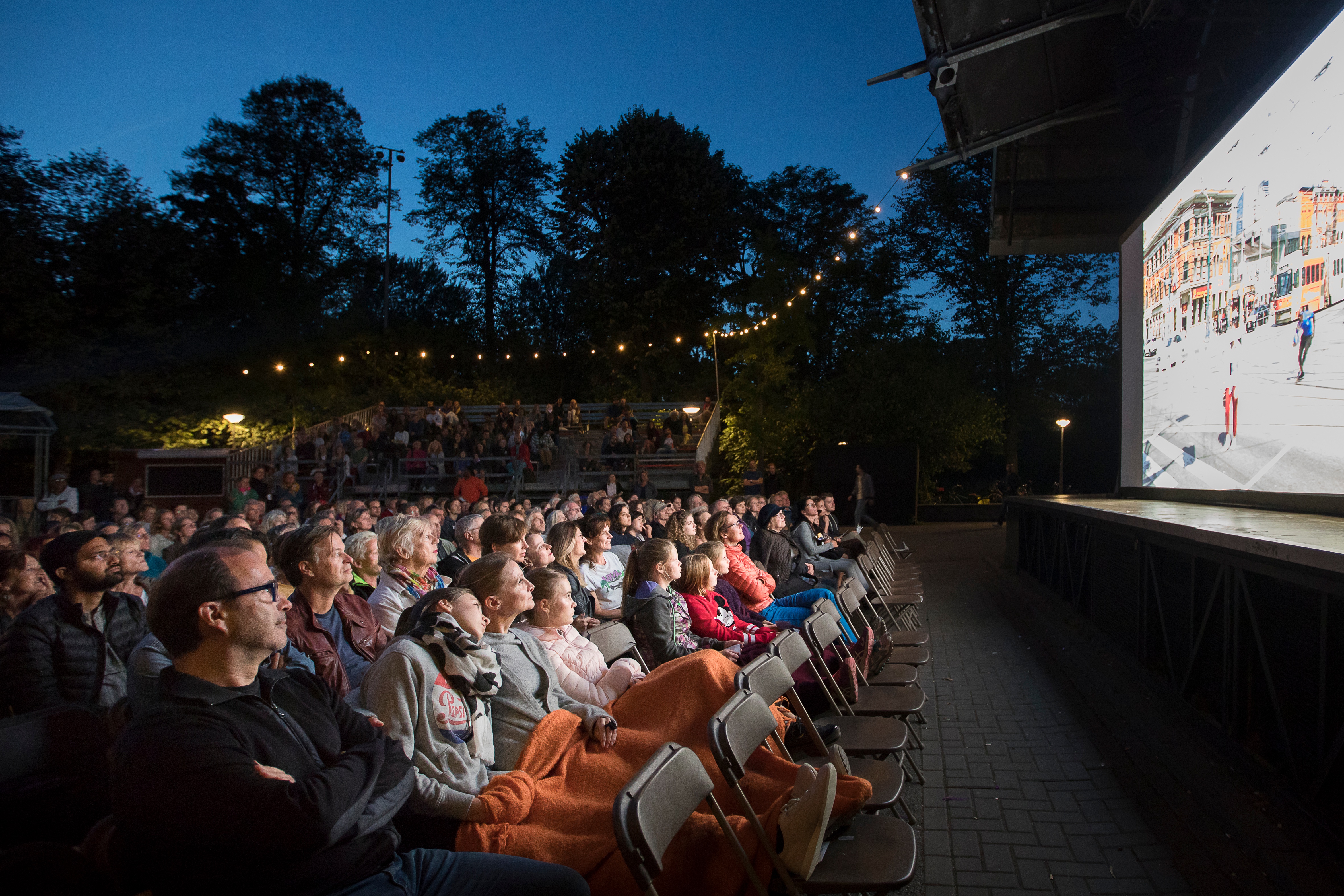 How to Submit to Film Festivals, According to Programmers
 What are the benefits of a filmmaker submitting to GSFF?
Glasgow has a pretty decent reputation internationally; other programmers pay attention to what we select, so it’s possible that selection at Glasgow will lead to other festivals screenings and interest by talent scouts. We can also promise an exciting few days in a unique and vibrant city, alongside fellow filmmakers from all over the world. I have plenty of stories of collaborations growing out of chance meetings at GSFF, but the classic one is of the American producer and the British director who met at GSFF, kept in touch, started writing a feature together, moved continents to be together, got married, made their feature, and two years later won the main award at Edinburgh International Film Festival.
What year-round resources does the fest provide filmmakers?
In the last year we’ve hosted a lot of online exhibition activity. We’re gradually building up our promotional activities as well; we’ve been informally advising international colleagues on new Scottish work for a long time and we’re working towards making that a more formal aspect of our year round activities.
What’s something you wish more people knew about attending festivals in general?
Attend as many festivals as possible, but if you’re making shorts, don’t prioritize feature festivals over short film festivals. Your work will get a lot more attention at an event focusing on shorts. Talk to everyone, but don’t feel you have to be “on” or pitching all the time; just be yourself. The most meaningful encounter you have will be the unexpected one, so don’t be constantly looking over shoulders.
Check out Backstage’s casting listings in Edinburgh, Scotland here!
Any craft or career wisdom for aspiring filmmakers?
Rejection is never pleasant, but don’t dwell on it. We receive 4,500 submissions for competition, from which we program about 60 films, so there are plenty of really good films we have to say no to. When filmmakers get hung up on a rejection, they’re giving too much power to one festival—but the fact is, festivals aren’t the gatekeepers they once were. You can progress and succeed as a filmmaker without a single festival screening if you choose. But of course there are many advantages to having your work shown in festivals, so have a strategy with the likelihood of some rejections built in, and move on.
On the other hand, you are perfectly within your rights to request feedback from a festival, particularly if you’ve paid a submission fee. Make your request politely, in a positive tone, after the festival is over, and any decent programmer should get back to you.
Favorite film, or film seen recently?
Favorite film: I Know Where I’m Going (from Michael Powell and Emeric Pressburger, 1945), or most of Claire Denis’ films. Favorite short film [is] much much harder, but the one that springs to mind right now is The Burden (Niki Lindroth von Bahr, 2017) or anything by Don Hertzfeld.
Favorite film seen recently: I confess I’ve mostly been watching TV under lockdown, but I really liked Kelly Reichardt’s First Cow (2019), which I saw at Glasgow Film Festival online.
Favorite short film seen recently: the 150 films in this year’s GSFF program!
Check out Backstage’s film audition listings!