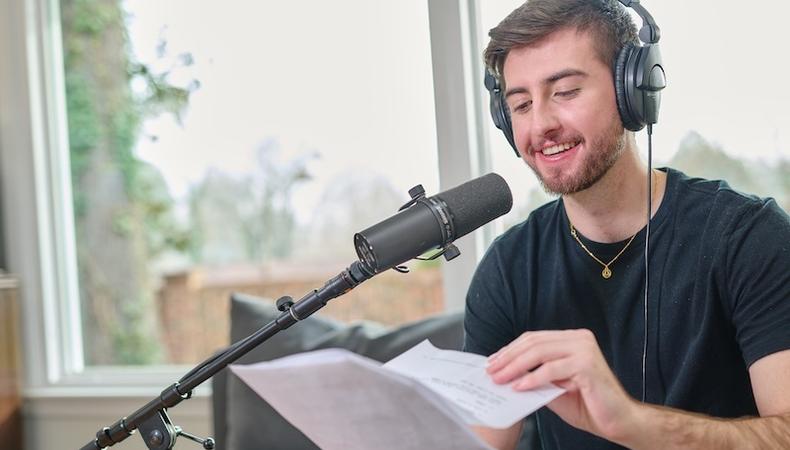
The demand for voiceover artists is expanding across industries, including animation, audiobooks, video games, commercials, and corporate content. With more opportunities than ever, Backstage makes it easy to find and apply for voiceover work. But to stand out and get hired, you need more than just a profile—you need a strategy.
To maximize your success, start with this essential checklist:
-
Optimize your profile
-
Showcase high-quality voice demos
-
Apply strategically
-
Continuously refine your skills
Optimize your Backstage profile for voiceover work
Your Backstage profile is your digital resume, and a well-optimized profile makes you more visible to casting directors and more likely to get booked.
-
Use a professional headshot. Even though voice acting is not an on-camera role, a high-quality headshot adds professionalism to your profile and helps build your personal brand.
-
Write a compelling bio. Highlight your experience, vocal range, accents, languages, and unique abilities that make you a strong candidate.
-
Select the right profile tags. Add specific skill tags related to your voice characteristics, abilities, and styles to help casting directors find and evaluate you more easily.
-
List relevant experience. Include any training, past projects, and notable clients to showcase your expertise and credibility.
A complete and well-structured profile increases your chances of getting the attention of casting directors and being invited to auditions. For more detailed guidance, check out the:
- Help article Voiceover Profiles for Talent & Applying to Roles
- How-to guide Why a Complete Backstage Profile Is Your First Step to Success
Use high-quality voice demos in your profile
Your profile gets you noticed, but your voice demos get you hired. A strong demo reel shows casting directors your range and ability, often serving as your first audition.
-
Include multiple demos. Upload a variety of high-quality samples showcasing your ability to do commercial reads, audiobook narration, animated character voices, and more.
-
Prioritize professional audio quality. Ensure your recordings are clear, properly edited, and free of background noise—low-quality audio can get your application dismissed.
-
Keep demos concise. Each clip should be between 15 and 60 seconds long to maintain the listener’s attention.
-
Label each demo clearly. Use specific labels like “Conversational Commercial Read” or “Warm and Friendly Narration” to help casting directors quickly find the right demo.
Your voice demo is your calling card. Investing in high-quality samples can significantly improve your chances of landing jobs. For a detailed guide, check out How to Make a Voiceover Demo Reel.
Apply to voiceover jobs strategically
A great profile and demo help you get noticed, but to land jobs, you need a smart application strategy. Simply applying to as many roles as possible without tailoring your submissions will not yield the best results.
-
Check for new job postings daily. Voiceover jobs are added frequently, and early applicants often get priority consideration.
-
Use smart filters. Narrow your search by job type, union status, and remote vs. in-person recording requirements to find the best-fit roles.
-
Customize each application. Instead of submitting the same demo to every listing, attach the most relevant reel and write a tailored cover letter highlighting specific experience.
-
Submit a custom audition when possible. Many casting directors prioritize applications that include an audition based on the job’s specific requirements.
Taking a thoughtful, strategic approach to applications increases your chances of getting noticed and getting hired. For more expert tips, read How to Find Voice Acting Jobs—And Get the Role.
Set up a quality home studio
Many voiceover jobs require remote recording, meaning a reliable home studio is essential. If your setup does not meet professional standards, you may miss out on opportunities.
-
Invest in a quality microphone. A USB or XLR microphone delivers better sound quality than a built-in computer mic.
-
Use a pop filter. A pop filter reduces harsh plosive sounds and improves the clarity of your recordings.
-
Soundproof your recording space. Even a simple home setup can be improved with acoustic panels, foam padding, or DIY soundproofing solutions.
-
Learn basic audio editing. Familiarity with Audacity, Adobe Audition, or other software allows you to clean up your recordings before submitting them.
A professional-sounding setup improves your credibility and ensures you can deliver high-quality work when hired. For a full guide, check out How to Set Up a Home Recording Studio.
Stay active and keep improving
Landing your first few jobs is just the beginning. To build a sustainable voiceover career, you need to keep learning, networking, and updating your materials.
-
Update your profile and demos regularly. Keeping your content fresh increases your chances of being noticed by new casting directors.
-
Continue training. Voiceover workshops, coaching sessions, and online courses help you refine your technique and expand your skills.
-
Network with industry professionals. Engaging in forums, voiceover communities, and networking events can open doors to new opportunities.
The most successful voice actors never stop improving. For expert training recommendations, explore Top 11 Voice Acting Classes and Workshops.
Ready to start booking voiceover work?
By optimizing your Backstage profile, uploading high-quality demos, applying strategically, and refining your skills, you can increase your chances of landing paid voiceover jobs.
Start applying today by browsing the latest voiceover jobs on Backstage!
Read on: