One of the hardest skills to learn as a professional actor is saying no—especially at the beginning of a career when every opportunity can feel like a lifeline. Knowing when a gig or situation is not right is a subtle art, but an essential skill to survive the eventual wear and tear of a career in acting. But it is also an important skill to hone early on. Saying no will allow you to escape bad auditions, define your boundaries in uncomfortable scenes, maintain your integrity, and shape your career.
We’ve pulled together quotes from actors, both stage and screen to share their perspective on saying no—when to do it, how it changed their careers, and how in the end, it helped them say yes to a life of calculated risks.
Isabella Boylston, dance double for Jennifer Lawrence in “Red Sparrow”
“I just have to make sure I’m taking enough time for myself. I’m starting this thing where I’m saying no to more. I think sometimes it’s hard to say no because you’re really eager and you don’t want to turn down cool opportunities, but of course, I am really thankful for them.”
Penélope Cruz, “The Assassination of Gianni Versace: American Crime Story”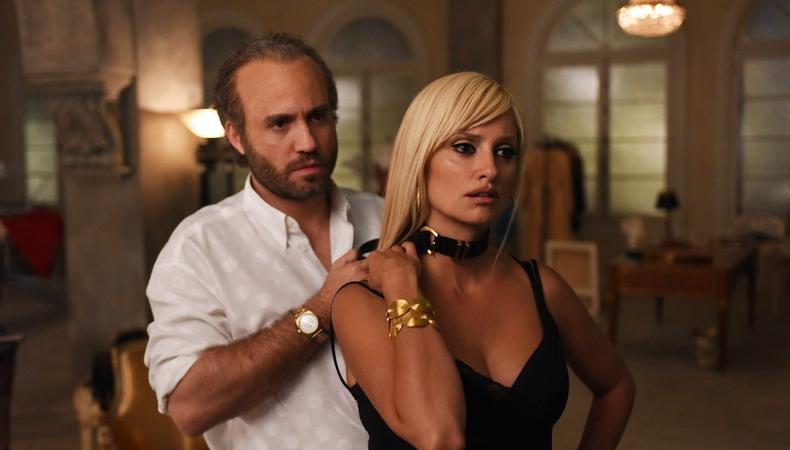 “At the very beginning, it was harder for me to know when I had to say no to a project because I always thought this might be the last movie I ever make. That creates an insecurity that stays with you for life. It’s very confusing at the beginning. Your heart is telling you to say no to this project for whatever reason, and your mind comes with the voice of insecurity saying, ‘Are you crazy? How can you say no to something?’ ”
Richard Jenkins, “The Shape of Water”
“Well, sometimes, I can read a great script, and I don’t like the part, or I don’t think I'm right for it. I mean, there are times I've read really great parts and think there are so many other actors who could do this better than me. And I just say no to it.”
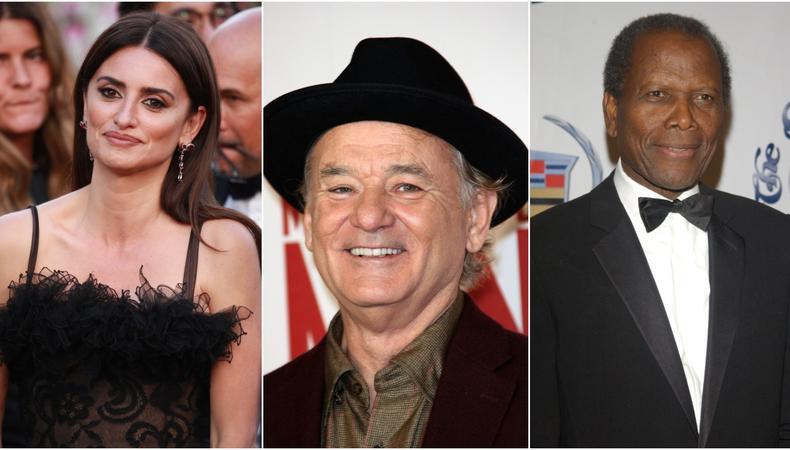
Bill Murray, “Isle of Dogs”
“If you keep saying yes, they’ll stop asking you, too. That’s a much more likely event. I think we’re all sort of imprisoned by—or at least bound to—the choices we make, and I think everyone in the acting business wants to make the right choices. You want to say no at the right time and you want to say yes more sparingly. I came out of the old Second City in Chicago. Chicago actors are more hard-nosed. They’re tough on themselves and their fellow actors. They’re self-demanding. Saying no was very important. Integrity is probably too grand a word, but if you’re not the voice of Mr. Kool-Aid, then you’re still free. You’re not roped in.”
Heather Lind, “Othello,” Shakespeare in the Park
“At one point, the director looked to us and said, ‘OK, now two of you kiss each other. The other two kiss each other.’ I remember feeling horrible and saying, ‘I don’t see why we have to do that in an audition.’ And he said, ‘Well, you can leave if you want.’ And I said, ‘OK.’ I remember going out into the hall and getting my bag and leaving. Actually, it was an incredibly important moment. When I left the audition, I felt terrible like I should turn around and go back. All my acting teachers told me to be game for stuff and try new things and if you’re afraid, it might mean something good is about to happen. And I just thought I was being a coward. But really I look back on it and it was just the first of many moments where I learned there’s no reason to do something that makes you feel horrible. Just say no, be respectful, leave the room.
Jenn Lyon, “Claws”  “Any kind of sex scenes are a whole other beast. You have to learn to cover yourself in appropriate ways, how to say yes and no to what you’re comfortable with. It’s hard in a room full of people to say no or to negotiate what is good for you. That’s been a huge lesson for me in being a strong woman: How do I say no and not appear difficult? Or how do I say no, appear difficult, and be fine with it because it’s my body?
It’s a balancing act. The current #MeToo movement and Time’s Up—I’m involved in the Time’s Up organization, and being a part of that has given us this level of consensus, you feel like you’re backed by people around you. What has happened is very vocal and visible, so now when we do say no, we feel like SAG is behind us, we feel other women are behind us. Before, you felt alone. [You thought,] If I say no, this person I’m doing it with is going to be mad, the director is going to be mad, I’m taking the crew’s time. It’s hard. But now it’s getting easier and we have brave women and men to thank for it. It makes everyone understand each other a little more.”
Freida Pinto, “Trishna”
“Just say ‘no’ when the time is right. Just don’t wait until that time goes out of your hand. Saying no... I’m talking about like maybe not as mortifying a situation as what Trishna went through, but even in situations like in the film industry. Whether it’s publicity or whatever it is and you’re asked to do certain things and you just don’t think it’s right for you, that’s not something you relate to and you’re just not comfortable doing it. Instead of beating around the bush, I think the best thing to say is: I’m just not going to do it.”
Vicky Krieps, “Phantom Thread”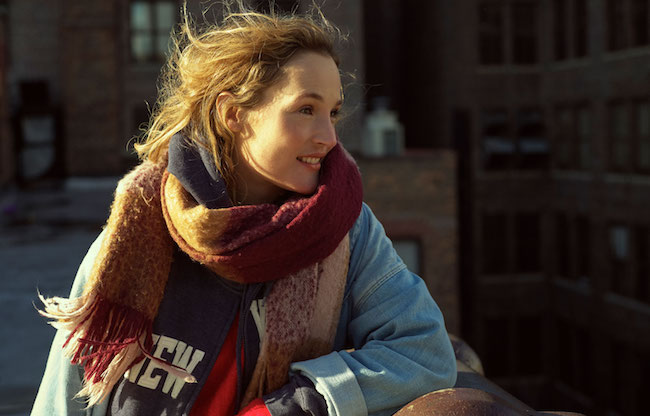 “You cannot believe how happy I am that this is what is happening now, I mean—this is mind-blowing. New York City, L.A., bam, bam, bam. Get on this plane, get on that plane, meet this person, meet that person, take pictures here, take pictures there. If I was 19, I would die. I would be dead after three days.... I realize now that you only have the strength after having had a life to say ‘No.’ To say, ‘You know what, I want to sleep. That’s what I want to do now. And that’s what I’m going to do now.’ ”
Marin Ireland, “Sneaky Pete”
“I tend to always say I’m just a workaholic, and I also feel like I hustled for so long to try to get anything anywhere that maybe it’s just that actor thing, where saying no, especially to something that’s good, is physically painful and also existentially terrifying because you’re like, ‘Well, if I say no then I’ll never get anything ever again.’ But if it’s a good thing that comes your way and you actually have the time to do it, it does physically pain me not to do it. I’m very greedy in that way.”
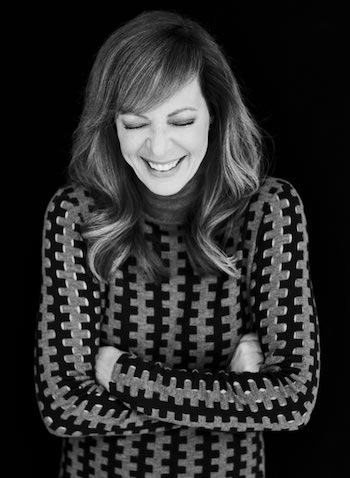 Allison Janney, “I, Tonya”
“I’m really happy that I’ve been able to work in all different mediums. It’s relationship-driven for me. I did a play with Stanley Tucci, who put me in his movie ‘Big Night.’ I did a play at Naked Angels that Mike Nichols saw, and he put me in ‘Primary Colors.’ Then Aaron Sorkin saw ‘Primary Colors’ and wanted me to do ‘The West Wing.’ They were fun things that came my way and I was game to do them. I didn’t say no. I would say, ‘I’ve never done that. Let’s do this.’
Sidney Poitier, “Guess Who’s Coming to Dinner”
“I was the most successful black actor in the history of the country. I was not in control of the kinds of films I would be offered, but I was totally in control of the kinds of films I would do. So I came to the mix with that power—the power to say, ‘No, I will not do that’....I was in concert with maybe a half-dozen filmmakers, and they were all white. And they chose to make films that would make a statement to a mainstream audience about the awful nature of racism. That’s how my career started. Every one of those pictures...came from filmmakers who had to make a comment that racism is wrong. There are people—black, white, blue, green—who find it necessary to make that kind of comment through their lives or professions. And I was a part of that mix.”