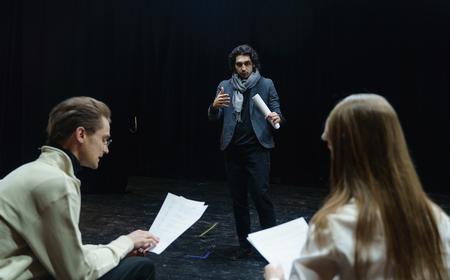
Actors hold some preconceived notions about what goes on in the audition room, but how many of those notions are actually true?
For this episode of the Slate’s Audition Insider, New York City–based casting director, actor, writer, and director Elaine Del Valle works with Backstage members and those in the Backstage community to offer up what her experiences in multiple aspects of the industry have taught her about nailing that perfect performance. Watch the full episode above and check out highlights from the session below!
On improving your audition.
Like many in the casting profession, Del Valle started her career as an actor. The experience has helped her understand the process of auditioning better than someone who has never been on the other side of the table. “There’s an empathy we have for the actors when they come in,” Del Valle says.
Del Valle encourages actors to be friendly, and introduce themselves in the audition room—but that doesn’t mean you have to shake everyone’s hand, she says. Del Valle recommends that actors read the room because even before COVID some people prefer not to be touched.
Her No. 1 pet peeve in the audition process? “When actors come in ill-prepared,” Del Valle says. She advises actors to take every audition seriously, knowing that your career can change in unexpected ways at any moment. “If you don’t want it, just decline the audition.”
Preparation and an understanding of who’s sitting in the casting chair can help actors relax a little bit, and understand that no audition is ever a waste of time when you bring your best work.
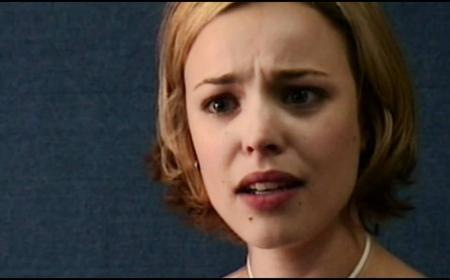
On slating.
Del Valle reminds actors that every audition belongs to you. Take your time, she says, and give it everything you have from moment one.
She suggests that actors hold after the slate “right until after the moment that you become uncomfortable.”
And she encourages actors to lean into the fun of the audition: “Let the experience be joyful for you. I like to linger in character before and after.”
 How To Slate in an Audition
 On writing.
Del Valle says that she took up writing almost as a necessity. She was frustrated that the roles she wanted to play just weren’t being written by people in the industry. “I just felt that nothing was speaking authentically to my experience,” Del Valle says of her work as a Latina actor.
She soon realized that no one was going to hand her the perfect role, but that didn’t matter: “I don’t have to wait for those roles, I can create those roles for myself.” After writing and performing in an award-winning one-woman show off-Broadway, Del Valle realized that audiences were thirsty for the same stories she was looking to deliver. This led to her directing projects, and eventually casting as well.
And while she knows her career is her own, she hopes actors are inspired by her trajectory.
On tapping into emotions for an audition.
Del Valle says that the most important thing an actor can bring to a role is what makes them uniquely themselves. She suggests finding moments in your own life that line up emotionally with what the character is experiencing. And she reminds actors that every self-tape should represent the best possible performance they can give. She recommends watching yourself, and being highly critical of your own work; the technology affords you so many chances to get it right, she says, and the actor that books the job is the one that takes full advantage of those tools.
Del Valle also suggests that all actors learn the art of improvisation. She says that improv not only helps in performance—staying on your toes and being able to react in the moment, for example—but is a great tool for building out a character’s life before the scene begins.
On headshots.
“Great headshots speak to certain characters,” Del Valle says.
As a casting director, the first thing she sees when casting a project are the thumbnails of headshots. She suggests having headshots that exude personality and represent roles that you are likely to be cast in.
She also recommends that every actor have some sort of footage that showcases their skills—be it a reel, a recorded slate, or even a videotaped monologue—that way the casting director can get a feel for your personality before they call you in.
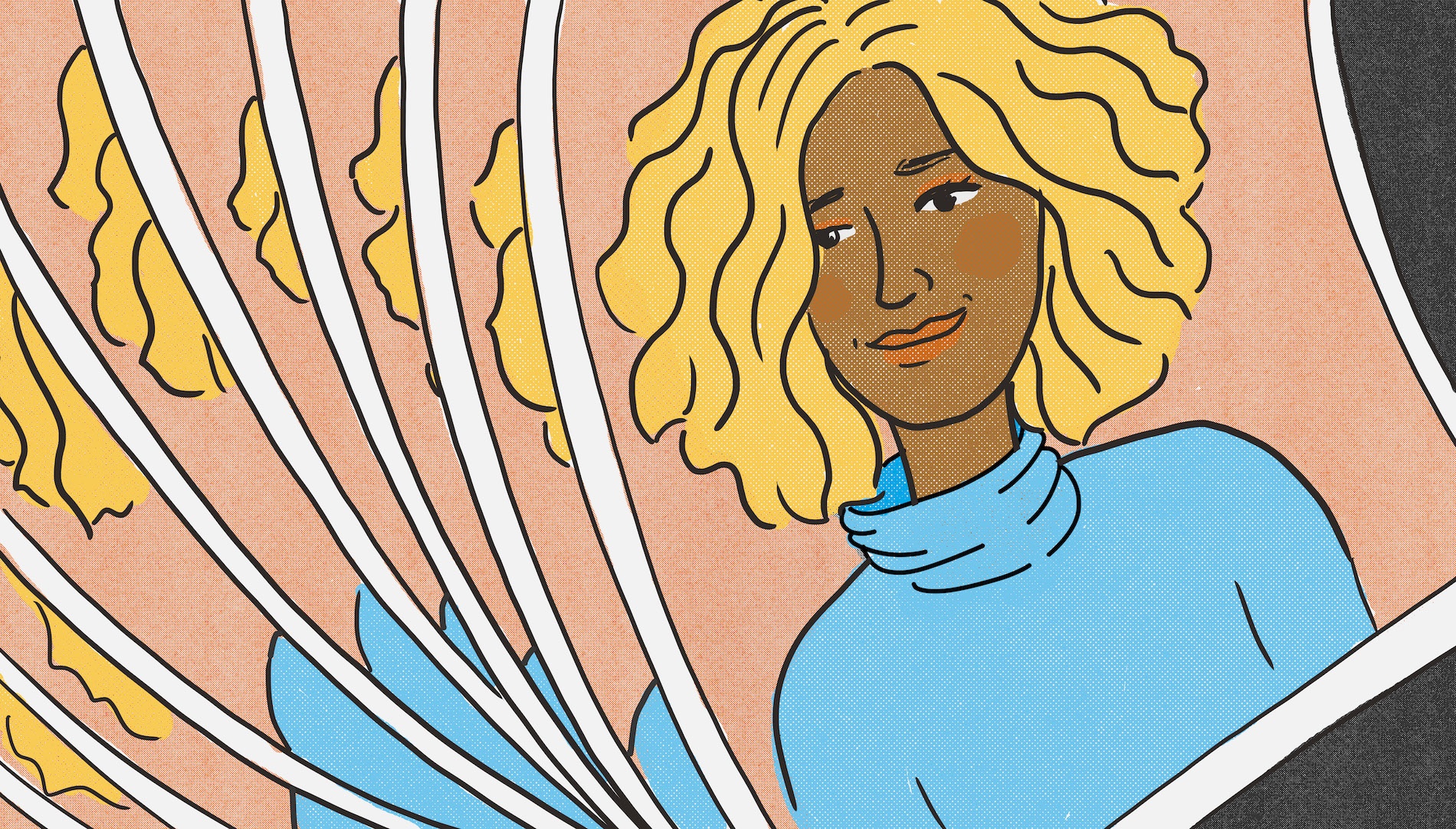 Actor Headshots: Everything You Need to Know
 Ultimately, Del Valle wants every actor to succeed. She says that she expects so much from actors because she is one herself, and the love of the craft is what drives her in her work on stage, behind the camera, and in the audition room
“Learn from different instructors,” she says. “Take different classes. Collaborate with other actors. Make your own work.”
Looking for remote work? Backstage has got you covered! Click here for auditions you can do from home!