
With three billion active users scrolling, liking, and sharing every day, Facebook remains the world’s largest social media platform—and one of the most competitive. Whether you’re a business owner trying to reach customers, a content creator building an audience, or a social media manager juggling multiple accounts, the question is the same: When should you post to actually get your content seen? The answer isn’t as simple as “Always post at 9 a.m.” But with the right strategy, it doesn’t have to be complicated. Here’s how to find your optimal posting time.
1. Start with proven posting windows.
Research from multiple studies by Social Pilot, Buffer, and Sprout Social indicates several optimal posting windows for Facebook:
Monday: 9 a.m.–12 p.m.
Tuesday: 8 a.m.–12 p.m.
Wednesday: 8 a.m.–11 a.m., and at 3 p.m.
Thursday: 8 a.m.–12 p.m.
Friday: 7 a.m.–1 p.m.
Saturday: at 9 a.m. and 3 p.m.
Sunday: 8 a.m.–12 p.m., and at 4 p.m.
The best days overall are Monday through Friday, early mornings. Specifically, Thursday and Friday posts have an 18% higher engagement rate, according to Shopify.
2. Understand Facebook’s recency algorithm.
Facebook’s algorithm highly prioritizes fresh content, so the timing of your posts really matters.
Find the time windows when your audience (or desired audience) is active and will engage with your content. Otherwise, late-night posts during off-peak hours can get buried and lost with minimal reach. Since Facebook rewards recency, posting when your audience is online gives your content the best chance of immediate engagement—which then signals to the algorithm that your post is worth showing to more people.
3. Consider your content and audience type.
There is no one-size-fits-all posting strategy for Facebook. Becoming a digital creator on Facebook means finding an approach that is tailored to you, your content, and the context in which you’re posting.
Reach and engagement statistics on the platform vary greatly by audience type. According to WordStream, professionals and B2B (business to business) audiences are more active on Facebook during work hours on weekdays. This is an important detail for professional social media managers and UGC content creators.
Many professionals check social media during short breaks or downtime hours throughout the day (mid-morning, lunch, late afternoon). Posting after work hours or on weekends tends to see weaker engagement, because these professional audiences shift focus away from work-related content during leisure time. This is important to consider if your content is marketing your business, a product, or professional services.
On the other hand, content in B2C (business to consumer) niches like fashion, food, lifestyle, fitness, and entertainment finds higher engagement and further reach during non-work hours—weekday afternoons and weekend mornings.
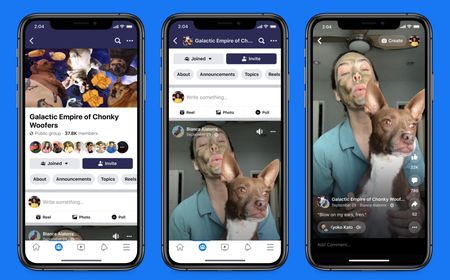 How to Go Viral + Earn Money With Facebook Reels
4. Account for global audiences and time zones.
Utilize Facebook’s audience insights platform to get to know your followers—and specifically where the majority of your audience lives. Your local time zone may not be the best indicator of when to post if your core audience is in another time zone.
The better you understand your audience, the more you’ll understand their routines and habits, so look into their demographics, interests and hobbies, and lifestyles. This will help you strategize and schedule posts to coincide with peak engagement times, increasing the likelihood your content will be seen, liked, and shared.
5. Experiment and analyze your results.
Track the performance of your content over time as you experiment with different posting windows. Use this information to refine your strategy and find the best posting cadence for maximum reach. Over time, patterns will emerge that help you optimize your schedule beyond general best practices.