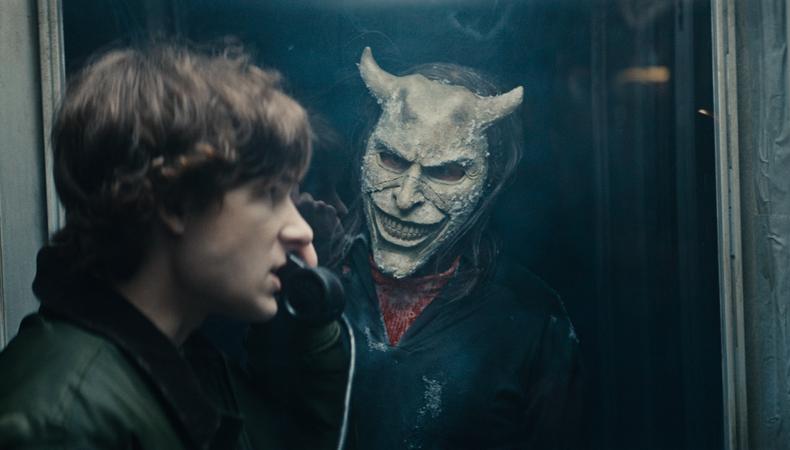
Actors who are looking for their breakout role may just find their career-defining moment by joining a horror project. Some of Hollywood’s biggest names, like Jamie Lee Curtis, Jenna Ortega, and Leonardo DiCaprio, credit the genre for jump-starting their stardom. And horror films are thriving at the box office, making this the ideal time to audition for the genre.
But how do you stand out during the casting process? Believe it or not, you’re going to need more than just a great bloodcurdling shriek and final girl energy. To learn how to really impress a casting director, we went straight to the source: Blumhouse’s longtime CD Terri Taylor. Taylor, who’s cast hits like “Get Out,” “M3GAN,” “The Black Phone,” and “Five Nights at Freddy’s,” shares her industry secrets, including the not-so-obvious skills that can make or break a horror audition.
Why stillness and breath control can be louder than a scream
While a bone-chilling scream can certainly enhance your audition, we wanted the real secrets—the hidden talents that actually get you cast in horror.
“Most filmmakers are looking for authenticity and performers who can keep it incredibly natural,” especially when it comes to movement, says Taylor. “How they move their body, or how they don’t move their body, how still they can be—these are some of the things that we explore. Even vocal quality. It’s not really necessarily about what they sound like when they’re screaming. But what do they sound like when they’re barely audible, or if they’re actually transforming to be something other than themselves?”
The CD also notes that performers trying to act scared should consider their breath: “I think for all of us, organically, [fear] impacts our breathing.”
The best advice for getting cast in a horror movie or TV show
Taylor’s best acting advice for getting cast in horror is connecting personally to the genre and project. “It’s finding that relatable thing that produces this really authentic, terrifying moment where you’re afraid,” she says. “There is no one way to get there, but it is about relatability. You have to relate [to] it. Find something in your own experience that helps produce that emotion, [because] it’s hard to manufacture. When you’re in an audition space that has lights blaring or on a set, it is really about accessing something that you experienced or witnessed.”
Taylor adds that making the scene believable is key. “The circumstances of horror oftentimes are extraordinary, and we don’t have those firsthand experiences,” explains the CD, “but it is about making me [and] the audience believe that we do have those experiences, and that the outlandish becomes something recognizable.”
Where to find horror casting calls
Ready to join your next horror project? These gigs need talent now:
If you’re looking for more audition advice, check out our guide to getting cast in a Blumhouse production, or this go-to for how to act in a horror film.