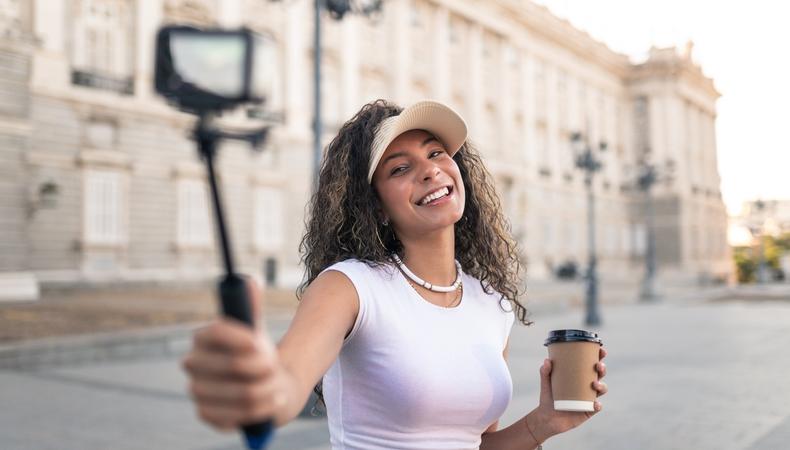
Today’s creators, like Emma Chamberlain, MrBeast, Casey Neistat, and Khaby Lame, span niches and platforms to become key connectors between brands and consumers. Yet many netizens wonder if they’ve missed the wave. If that sounds like you, check out this guide to the creator economy: what it is, how it works, who the main players are, and the ways it’s completely changed the marketing landscape.
The creator economy refers to the ecosystem of independent content creators who earn money due to their online presence. It represents a shift from traditional employment toward entrepreneurial content creation as a viable career path—a world where anyone with a camera, a keyboard, or a phone can carve out their own place online.
The internet gave rise to social media platforms, and what began as a means of online connectivity turned into an economic sea change. The keys to consumer behavior were suddenly handed from established centralized media platforms to a growing network of content creators.
Who makes up the creator economy?
The creator economy is made up of content creators: people who produce and share work on digital platforms. The type of content ranges from fashion photography to cooking videos to comedic skits to true crime podcasts to gaming livestreams to history writing and more. Around 207 million people identify as creators worldwide, with nearly half working full-time on content creation, according to Demandsage.
Creators interact with the economy in many ways, but their ability to shape what people buy has turned many into what we now call influencers. For instance, influencer Emma Chamberlain models, promotes her coffee company Chamberlain Coffee, and works as a brand ambassador with premium companies like Louis Vuitton. However, not all creators are influencers. Many build audiences around education, entertainment, or community without ever promoting a product. Some, such as storytelling scientist Ben Kielesinski, create simply for the love of sharing, with influence as a byproduct rather than the end goal.
Top creators command huge earning potential: YouTubers like Markiplier, TikTokers like Drea Knows Best, and podcasters like Karen Kilgariff and Georgia Hardstark can land huge deals through brand partnerships, sponsored content, and product lines.
Where does the creator economy take place?
The creator economy is fully digital, with content creators using popular social media sites like the following to connect with their audiences:
How much is the creator economy worth? How big is the creator economy?
According to Demandsage, the creator economy in 2025 is worth $127.65 billion, and it could reach $528 billion by 2030. Aspiring creators may feel they’ve missed the boat, but the creator economy is becoming ever more integral to business and culture. Although the first wave may have passed, major shifts in the landscape regarding AI and emerging markets will open up new doors for those looking to find work as a content creator.