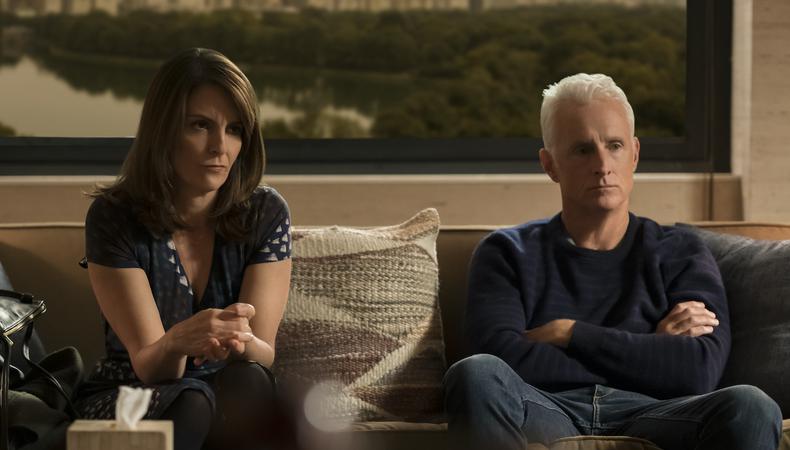
When a film or series is shot, there are countless takes, various set-ups, dozens of different iterations of the same lines of dialogue—basically, hours and hours and hours of footage that need to be crafted into the final product seen on screens. Which means it’s a bit of an understatement to say that editors have their work cut out for them. Not only do they have to parse through all that footage to find the best possible version of every frame, but they’re also tasked with collaborating with the director and producers to ensure what we eventually see is the story we’re meant to take in.
Having worked on everything from “Oz” to “30 Rock,” editor Ken Eluto knows this process well and it’s his eye for detail and pacing that has resulted in some of the most memorable TV moments of the last two decades. His most recent work on three episodes of Amazon’s “Modern Love” is no exception.
In conversation with Backstage, Eluto sheds light on the editing process, how he works with different directors from episode to episode, and the importance of learning on the job.
What does an editor do?
An editor’s job can vary depending on the type of show you’re working on but I believe it’s mostly about telling a story in the best possible way. If you’re working on a dramatic or comedic scripted show, you’re the person putting together the first cut. That means knowing the script and characters well, watching all the dailies, looking for the best performances, deciding the best camera angles to use at what time, and figuring out the best pacing. I look for the best moments that bring out emotional, dramatic, or comedic moments. You’re also adding sound effects and temp music that help support the cut. There may be conversations with the director during this process, as well as notes listed from the script supervisor. After the first cut is together it becomes a collaborative process, working with the director and producers. From there it’s a process of revisions, tightening, double-checking performances, cutting lines, or cutting or moving whole scenes.
READ: What is a Film Editor? Job Description, Salary,
Responsibilities + More
How did you become an editor?
I went to film school at Temple University but I didn’t study editing per se, it was all aspects of film. When I got out of school, I came to visit a schoolmate in NYC and never left. The first job I found was in editing and I really liked it. I started as an apprentice editor on a corporate film and soon after that, I got work as an assistant editor for Jay Freund on a feature documentary. I ended up working with him for about seven years. We got along great and at some point, he agreed to supervise a documentary film that I cut on the artist Franz Kline. He then directed an episode for that series that I cut as well.
“It’s a process of revisions, tightening, double-checking performances, cutting lines, or cutting or moving whole scenes.”
I feel very fortunate to [have been] able to work on a wide range of projects with many interesting and talented people. I’ve worked on documentaries, dramatic shows like HBO’s “Oz,” comedy shows like “30 Rock.” Right before “Modern Love,” I was editing the first season of “The Purge” and after “Modern Love” I went back to work on HBO’s “Succession.” They could not have been more different; it keeps life interesting.
I think I learned most of what I know on the job and working with other people. I initially started out editing in film and later transitioned to early digital systems and I’ve been mostly working on Avid for a long time now.
What does a day in the life of an editor look like?
On “Modern Love,” I came onboard to edit three episodes of the series. Andrew Marcus had already started editing the episodes that showrunner John Carney was directing. Andy had worked with John on some of his features previously. Julian Ulrichs was the third editor, but we never got to meet since he was working in Ireland. Andy and I were across the hall from each other, so we got to share thoughts about our episodes. We worked at the post facility, Light Iron, in Soho.
I worked on episodes that were being directed by three other directors: Sharon Horgan, Emmy Rossum, and Tom Hall. With Emmy and Tom, I had a full rough cut of their episode and then they came into the editing room to work with me to address their notes as well as notes from producers. Unfortunately, Sharon had to return to London so we worked remotely by sending her cuts, and her giving me notes by email or talking on the phone.
It was a very fun series to work on. I knew about the New York Times column but was not a faithful reader. What I liked about the series was that each episode told a totally different story with a different cast. I was also excited when I saw the call sheet for the first episode I was to work on and learned that Tina Fey was cast as one of the characters. I had worked with Tina on seven seasons of “30 Rock” and three seasons of “Unbreakable Kimmy Schmidt.”
I tend to start my day around 9 a.m. and, depending on the day, leave around 7 or 8 p.m. “Modern Love” was cut on Avid and media was shared so my assistant could prepare the dailies and help with other editing tasks.
How do you hire your team? What do you look for in a potential hire?
For an assistant, I look for someone with a good personality who is easy to get along with. Also, someone who is dependable, knowledgeable, and keeps up with the latest technology since I don’t always do that myself. Someone I can rely on to help out with sound, temp music, and temp visual effects that may be needed, and to prepare whatever the producers or network may need.
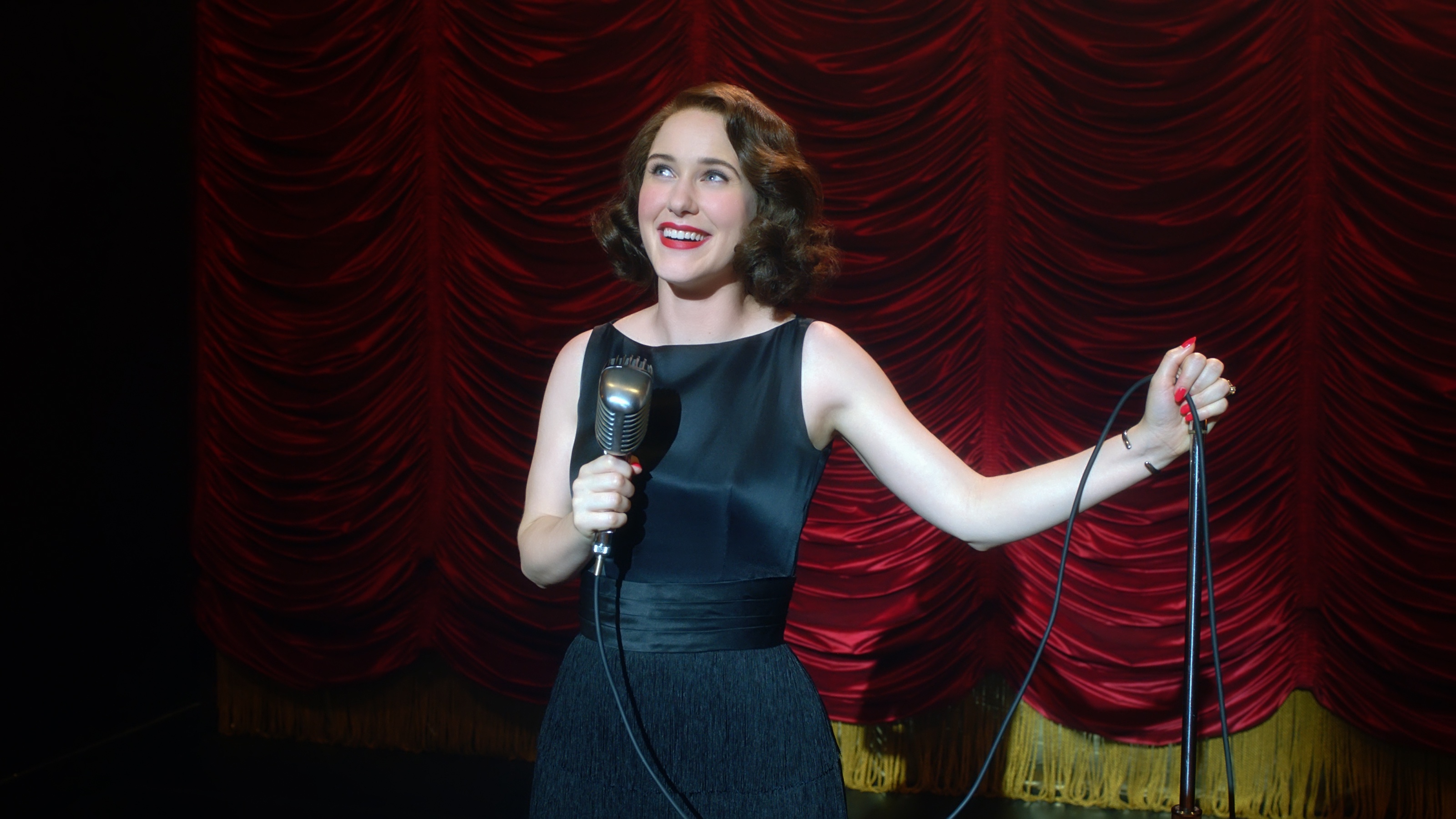 A Day in the Life of a Sound Editor: Ron Bochar of ‘The Marvelous Mrs. Maisel’
 What are the major differences between editing a series vs. a film?
I’ve mostly worked on TV series but I have done a few films. The main difference is that working on a feature film is more concentrated. You’re working on one thing with one director and it’s a longer time span. On a TV series, it’s usually faster and often you are working on more than one episode at a time. You might be finishing one episode while dailies start coming in on the next one. And as they say, TV is a writer’s/producer’s [medium], meaning the director does not always stay on until the episode is locked. They are usually given X number of days to work with the editor on their cut, then that goes to the producers for their notes, then to the studio and/or network for their notes
On a film, the director is a part of the process throughout, even though producers are also involved in giving notes. The other difference is that films usually go through a lot of test screenings to get audience reactions to see how they’re playing. That doesn’t happen with a TV series but it does often happen when working on a pilot.
What advice would you give an aspiring editor?
When I started out, I was fortunate to be in the same room as the editor and could watch what they were doing and learn from them. In the digital age, assistants don’t have that opportunity as much since they are in separate rooms, so it’s good to take any opportunity to learn from the editor you’re working with. If you have the time, try cutting some scenes on your own and ask the editor for his comments and suggestions.
One thing that’s great these days is that with so many new streaming outlets, there [are] so many shows being produced that I think it’s much easier to advance faster. Persistence will pay off.
What are some of your favorite moments of great editing?
There are too many inspiring films and shows to mention. They all influence my work. They are in my memory but in the end, as an editor, you always have to find the right style that best serves the specific story, emotions, characters, and situations in an authentic way.
This story originally appeared in the May 27 issue of Backstage Magazine. Subscribe here.