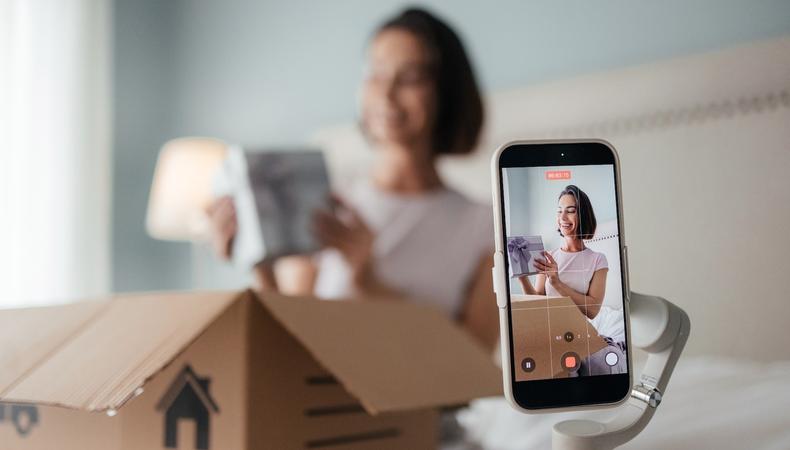
When Hailey Bieber’s Rhode launched its first facial cleanser, the internet found out before the shelves did because creators were posting unboxing videos of Pineapple Refresh days ahead of the release date. That’s a PR package doing its job: turning free products into the kind of buzz a paid ad can’t reliably buy. Here's how to craft a succinct and enticing pitch that helps a creator understand your product and, ideally, makes them want to work with you.
A PR package is a bundle of products and promotional materials that a company sends to select people with the goal of generating awareness or a relationship with the recipient. Unlike a traditional paid influencer campaign, it doesn’t necessarily require the recipient to publish anything.
That distinction is important. When a brand pays a creator to produce content, the terms of that partnership typically establish exactly what content will be produced, when it will be posted, and how the brand can use it.
A PR package is more open-ended. A creator might post an unboxing video, share the product to their Stories, mention it in a future video, write about it, or simply use it privately. Or—here’s the catch—they may do none of the above.
That uncertainty is part of the appeal—and the risk. Brands aren’t buying exposure; they’re creating an opportunity for exposure.
H3: What do PR packages usually include?
The product itself is obviously the centerpiece, but an effective mailer can contain a whole lot more. Common components include:
- Brand information
- Branded merchandise
- Discount codes
- The featured product
- Founder or company information
- A handwritten note
- A personalized letter
- A press release
A beauty company launching a new skincare product might send several items alongside a card explaining the ingredients and intended use. A beverage brand might pair its new drink with branded glasses, snacks, or other objects that help communicate the experience around the product. A fashion label might send an outfit with accessories and a lookbook.
The goal isn’t necessarily to make the box as large or expensive as possible. You want to send just enough to make the recipient understand why the product is worth their attention.
Why do brands send PR packages?
Exposure: The most obvious answer is exposure. A creator opens the box on camera, posts the product to Instagram, or mentions the company in a YouTube video. Their audience discovers the brand, and the company earns attention without purchasing a conventional advertisement. But there are several other potential benefits.
Product discovery: PR packages can introduce products to creators who might genuinely become users and advocates. This can be particularly valuable for new items that don’t yet have much organic awareness.
User-generated content: This is the ideal outcome. A creator may produce reviews, unboxings, or demonstrations featuring the product. Even when a brand doesn’t commission this content, it can become a valuable source of creative inspiration—and potentially an asset the brand can license for future marketing.
Creator relationships: A mailer may not result in anything in the immediate sense, but it can be the beginning of a relationship. A creator who genuinely likes a product may become a candidate for future paid campaigns or affiliate partnerships. In this sense, PR packages can function as a form of relationship-building rather than simply publicity.
Launch momentum: These campaigns can be especially useful around product launches. Shipping to a carefully selected group of creators shortly before a release can create a cluster of conversations around the same moment that feels organic.
Here’s the question that should guide a brand: What experience do we want a creator to have when they open this box?
1. Start with the goal.
Before designing anything, establish what you’re trying to accomplish. Possible objectives include:
- Building relationships with creators
- Encouraging product reveals or unboxings
- Generating social media awareness
- Introducing a new product
Your goal should influence everything from who receives the box to what goes inside.
2. Find the right creators for your PR package.
The success of a campaign depends heavily on who receives the packages. Sending 500 boxes to random influencers is unlikely to be as effective as sending 50 carefully selected ones.
Brands can find potential recipients through social platforms themselves, but creator marketplaces and influencer-discovery tools can make the process considerably more efficient. These platforms help brands identify talent based on audience, niche, location, platform, and other characteristics. They also make it easier to manage outreach and campaign logistics at scale.
3. Make it personal.
Personalization can make a PR package much more effective. A generic box addressed to “Dear Influencer” communicates that the recipient was one of hundreds of names on a mailing list. One that references a creator’s interests, previous work, or history with the brand communicates something entirely different.
That doesn’t mean customizing every component. Just a short note explaining why you thought the product would be relevant can make the whole thing feel intentional.
4. Give creators a reason to share.
If generating social coverage is the goal, the package needs something worth sharing. That might mean:
- An exclusive first look
- A limited-edition product
- A surprising reveal
- Visually distinctive packaging
Think about the unboxing as a piece of content. What would make someone want to pull out their phone?
5. Don’t forget the information.
A beautiful box isn’t particularly useful if the recipient doesn’t know what they’re looking at. Include concise details explaining the product, its purpose, important features, and where people can find it.
A QR code can make it easy to access additional material without filling the box with paperwork. If there’s an important launch date, include it prominently.
6. Consider the entire experience.
Some of the most memorable PR boxes turn the product into an experience. A food brand might build a mailer around a recipe. A skincare company might include everything the recipient needs for an at-home self-care night. A technology company could include accessories that let the recipient try the product immediately.
7. Don’t overdo it.
Still, keep in mind that more isn’t always better. An enormous box filled with unrelated branded merchandise may generate an impressive unboxing video, but it can also cost you a lot of money and, worse, convey desperation. Creators want to be part of an exclusive club.
8. Keep improving.
The best campaigns give creators something genuinely interesting to experience and share while making it easy for them to understand why the product matters. They also recognize that different creators have different audiences, personalities, and reasons for making content.
The key? Think outside the box.