When soda brand Poppi flew influencer Alix Earle out to stay in its fully branded house at Coachella, the collaboration became a cultural moment—and Earle walked away with equity in a company PepsiCo would later acquire for $1.95 billion. Although that exact situation may be aspirational, even microinfluencers know the deal: Brands borrow trusted voices, and creators get paid. Here’s how those arrangements, commonly called brand deals, really work.
Although every partnership is unique, most influencer marketing brand deals follow a fairly predictable process. Understanding each stage helps creators communicate professionally while giving brands confidence they’re making the right investment.
Finding the right partnership: Every brand deal starts with a match between a creator and a company. Sometimes brands proactively contact creators after discovering their content. Other times, creators reach out themselves through email, social media, creator marketplaces, or influencer platforms.
Regardless of who initiates the conversation, brands usually check several factors before moving forward:
- Audience demographics
- Content quality
- Engagement rate
- Overall brand fit
- Posting consistency
- Previous partnerships
Follower count matters, but it isn’t necessarily a deciding factor. A creator with 20,000 highly engaged followers in a specific niche frequently provides more value than someone with 500,000 passive ones. Brands care about reaching the right audience, not simply the biggest one.
Discussing campaign goals: Once both parties say “I do,” the conversation shifts toward campaign objectives. Different companies have different priorities. Some want immediate sales. Others prioritize awareness or long-term brand recognition.
Common campaign goals include:
- App downloads
- Brand awareness
- Event attendance
- Product launches
- Product purchases
- User-generated content creation
These goals influence every creative decision that follows. A campaign focused on awareness may encourage storytelling and personality-driven content, for example, while one optimized for conversions may include discount codes, product demonstrations, or direct calls to action.
Defining deliverables: Deliverables are the specific pieces of content a creator agrees to produce. This is one of the most important stages of any brand deal for content creators because it formalizes expectations.
Deliverables often specify:
- Exclusivity periods
- Instagram Stories
- Posting deadlines
- Reels
- TikTok posts
- Usage rights
- Videos
- YouTube integrations
The agreement should also clarify whether revisions are included, who owns the finished content, and whether the brand can repurpose it later.
Usage rights frequently become a major factor in pricing. A company paying to use your video in paid advertisements for six months is purchasing considerably more value than one sponsoring a single social post.
Negotiating compensation: Pricing varies widely across industries and creator sizes. Some UGC brand deals involve free products for newer creators looking to build portfolios. Established influencers typically receive flat fees, performance bonuses, affiliate commissions, or some combination of the three.
And remember: If a brand requests additional revisions, expanded usage rights, or extra platforms, compensation should generally increase accordingly.
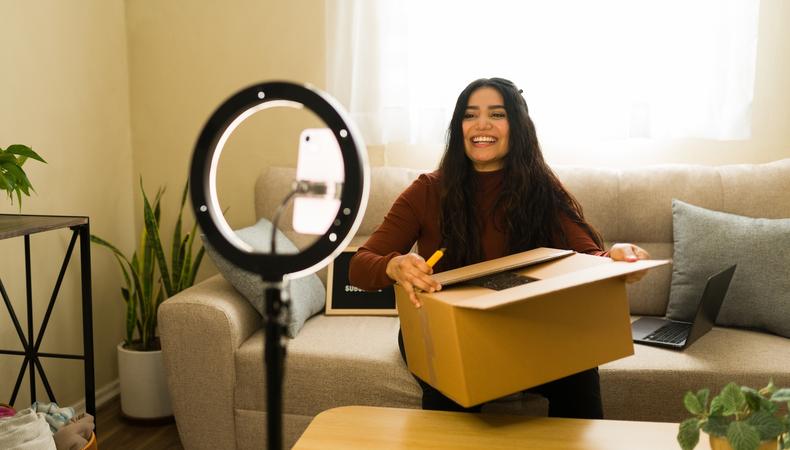
Creating the content: Once contracts are signed, production begins. Although brands typically provide creative briefs, successful campaigns usually leave room for creators to maintain their authentic voice. After all, audiences follow creators because they trust their style and personality, not because those creators sound like traditional advertisements. The best branded content feels natural, not scripted. Instead of sounding like an infomercial, creators should explain how products genuinely fit into their routines, workflows, or interests.
Reviewing and approving: Many partnerships include an approval process before publication. Good communication makes this stage much smoother. Creators should ask questions early, clarify expectations before filming, and leave enough production time for revisions ahead of posting deadlines.
Publishing and promotion: Once approved, creators publish according to the campaign schedule. Timing matters: Product launches, seasonal promotions, movie releases, and holiday campaigns frequently require creators to post during narrow windows. Brands also appreciate creators who actively engage with their audiences after publishing. Replying to comments, answering product questions, and keeping conversations going can extend the lifespan of a campaign.
Disclosing the partnership: Every stage above rests on one nonnegotiable: Audiences have to know the post is paid. The Federal Trade Commission requires creators to disclose any material connection to a brand, and that definition is broader than most creators assume. Anything that could color how a viewer weighs your endorsement counts:
- Affiliate links
- Discounts
- Employment, current or former
- Free products, including unsolicited gifts
- Payments and sponsorships
- Personal or family ties to the company
Gifted products trip up creators most frequently. If a company mails you something and you post about it, the connection exists whether or not anyone asked you to say a word. The only clean exception is a product you bought yourself with no brand relationship attached.
The disclosure also has to be easy to spot and easy to understand—a standard the FTC formalized when it overhauled its Endorsement Guides in 2023, the first revision since 2009. Burying the tag in a bio, a YouTube description, or the bottom of a hashtag pile doesn’t clear the bar. The plainest options:
- Ad: the most direct label, and the one audiences read fastest
- Sponsored: acceptable in most contexts
- Affiliate: the right call when you earn commission through a tracking link or code
Built-in platform tools—Instagram’s Paid Partnership tag, TikTok’s commercial content toggle, YouTube’s paid promotion checkbox—are a floor, not a ceiling. Use them, then layer a manual disclosure on top. Note that the FTC holds creators responsible for their own disclosures, even if a brand doesn’t instruct them to do so. Violations can lead to FTC enforcement actions and, in some circumstances, substantial civil penalties.

Credit: Mladen Mitrinovic/Shutterstock
Publishing content is just the beginning. Brands invest in influencer marketing because it produces measurable results, and knowing these benchmarks is vital for creators.
Reach and impressions: These metrics measure how many people potentially saw the content. High reach indicates successful distribution, while impressions reveal how often audiences encountered the post. For awareness campaigns, these numbers typically become the primary performance indicators. But remember, they’re not everything.
Engagement: Engagement reflects how audiences interacted with the content. Brands commonly evaluate:
- Comments
- Completion rate
- Likes
- Reposts
- Saves
- Shares
- Watch time
Strong engagement signals that audiences found the content meaningful enough to interact with.
Click-through rate: If creators include trackable links, brands monitor how many viewers actually clicked. Click-through rate becomes especially important for campaigns focused on website traffic or product discovery.
Return on investment: Ultimately, brands ask a simple (albeit cold) question: “Did this partnership generate enough value to justify the investment?”
That value may come through sales, increased awareness, new customers, reusable content assets, or long-term audience growth. Campaigns that consistently produce strong ROI often evolve into recurring partnerships.
Leveraging one brand deal into more: Landing one successful campaign can become the foundation for many future collaborations. The key is documenting your results.
After each campaign, save your metrics—especially the ones above. They become powerful case studies for future pitches. For example, instead of saying, “I create great content,” you can say, “My last product review generated 180,000 views, a 9% engagement rate, and more than 700 tracked website visits.”
Specific numbers build credibility. Business people like numbers—although remember that business people are people, too, and strive to maintain positive relationships with brand managers. Meeting deadlines, communicating professionally, and making the approval process easy can matter just as much as performance metrics. Many creators receive repeat business simply because they’re enjoyable to work with.
If you’re wondering how to get brand deals, remember that successful creators rarely rely on luck. They position themselves as valuable business partners long before brands ever contact them. Here are some of the most effective strategies for pitching brands.
1. Develop a clear niche.
Brands look for audiences, not just creators. A focused niche helps companies quickly determine whether your followers align with their target customers.
Examples include:
- Beauty
- Fashion
- Filmmaking
- Finance
- Fitness
- Food
- Gaming
- Parenting
- Productivity
- Travel
A specialized creator tends to attract more relevant opportunities than someone posting unrelated content across dozens of topics.
2. Create consistently.
Consistency builds trust. Regular posting demonstrates reliability and gives brands confidence that you’ll keep producing content after a partnership begins. It also provides more examples of your storytelling, editing, and production quality.
You don’t necessarily need to post daily. You simply need to establish a publishing rhythm your audience—and potential partners—can count on.
3. Prioritize engagement over followers.
Many creators become obsessed with growing follower counts. But as most of us know, followers can be bought (and botted). Brands increasingly prioritize engagement instead.
A smaller audience that actively comments, shares, and trusts recommendations can deliver stronger campaign performance than a much larger passive one. Respond to comments. Build conversations. Create community.
These relationships become valuable assets during partnership negotiations.
4. Invest in your production quality.
Professional-looking content helps creators stand out, and it doesn’t require expensive cameras. Strong lighting, clear audio, thoughtful editing, compelling hooks, and clean graphics matter far more than equipment alone.
Brands want confidence that their products will be presented professionally.
5. Build a portfolio before getting paid.
One of the biggest mistakes new creators make is waiting for sponsorships before making branded-style content. Instead, create mock campaigns. Purchase products you genuinely enjoy and produce honest reviews, tutorials, or demonstrations.
A great UGC portfolio gives brands concrete examples of how you’d showcase their products. Many successful creators landed their first paid opportunities because companies saw unpaid content first.
6. Reach out professionally.
Sometimes the fastest path toward brand jobs for influencers is making the first move.
But make sure your outreach email is deliberate and professional. Keep it concise. Introduce yourself, explain why your audience aligns with the brand, include relevant performance metrics, and link to previous work. Focus less on asking for sponsorship and more on explaining the value you provide.
Brands receive countless generic emails, so specificity stands out.
7. Create a media kit.
Think of a media kit as your professional résumé. It can include:
- Audience demographics
- Contact information
- Content examples
- Engagement rates
- Platform statistics
- Previous partnerships
- Short creator biography
- Testimonials
Updating your media kit every few months ensures brands always receive current information.
8. Join creator marketplaces.
Many companies now discover talent through dedicated influencer platforms. These marketplaces—like our own comprehensive database—let brands search by niche, audience size, geography, engagement, and content style. They can be especially valuable for newer creators who haven’t yet built extensive industry connections.
9. Keep on keepin’ on.
Today’s creator economy rewards authenticity, professionalism, and measurable results. Understanding how brand deals work—from initial outreach to campaign reporting—helps creators position themselves as trusted marketing partners rather than simply social media personalities.
Likewise, learning how to land those deals involves much more than sending cold emails. It’s about consistently creating quality content, knowing your audience, demonstrating reliable performance, and approaching every collaboration with professionalism.
Keep in mind that the creators who thrive aren’t always the ones with the biggest audiences. They’re the ones who understand what brands need, deliver on their promises, and use every successful campaign as a stepping stone toward the next opportunity.