“Right now is probably the best time for an independent filmmaker,” says Sony Pictures Classics co-president and co-founder Tom Bernard. That’s because there are more opportunities than ever for them to make their money back. “There’s somebody who will buy your movie,” he says. “There are so many diverse outlets out there.”
That means more competition for distributors like SPC, which, 30 years in, is celebrating Film Independent Spirit Award nominations for “Jockey,” “Parallel Mothers,” and “Compartment No. 6.” And SPC isn’t the only one vying to find the next indie darling.
“Of course we feel the competitiveness,” says IFC Films president Arianna Bocco. She clarifies, however, that “there’s enough out there for everyone.” Each distributor has its own brand and flavor; she’s not always eyeing the same titles as a company like SPC, and that distributor in turn isn’t necessarily looking to snap up the likes of “The Novice,” IFC’s bid to win gold at this year’s Spirit Awards. “Everyone has a different agenda about what they need and what they want; but if it’s right for both of us and we’re both pursuing it, that’s good for the filmmaker,” Bocco says.
“We are buying at much earlier stages now as a means to stay competitive with all the other indie studios that are out there doing the same.”
Traditionally, independent films have been acquired as finished products out of festivals like Sundance. But thanks to the increased competition for acquisitions, it’s become standard in recent years for distributors to field new titles as early as the “script stage, with a director and a wish list of cast,” says Peter Jarowey, a partner at Vertical Entertainment. He says that it was about five years ago when Vertical shifted focus from looking for exclusively finished films; it has been been tracking Lyle Mitchell Corbine Jr.’s Spirit-nominated “Wild Indian,” for instance, since its infancy. Today, the company buys about 30% of its projects before a final cut has been produced.
“We don’t have a choice of waiting around for the product that we think can work for the marketplace,” Jarowey says. “We are buying it at much earlier stages now as a means to stay competitive with all the other indie studios that are out there doing the same.”
Bleecker Street acquired its two Spirit Award nominees, “Together Together” and “Mass,” as finished products. But president of acquisitions and ancillary distribution Kent Sanderson says that her company is the exception. The “vast majority” of Bleecker Street’s films are picked up while in the financing stage or in the midst of production. “We’re involved from minute one,” says Sanderson.
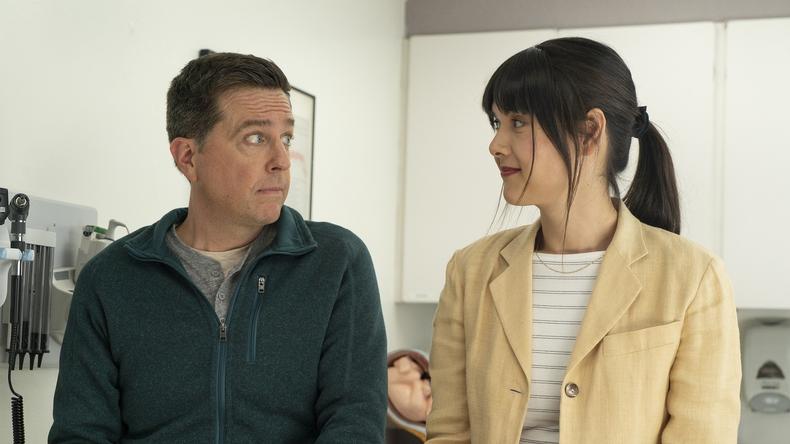 Ed Helms and Patti Harrison in "Together Together," Courtesy Bleecker Street
“That’s part of the ups and downs of the market,” Bocco says. “Twenty years ago, distributors like us were acquiring 100% of our slate as finished films on the open market.”
What does that mean for filmmakers? As conversations with distributors are beginning earlier in the creative process, it helps to think differently about your film, too. For one, consider your audience right out of the gate. The first thing Bernard considers when watching a film for SPC is who it appeals to. The best prospective indie hits generate interest from at least three different types of audiences, he says, citing films like the 2018 documentary “Maiden,” which had cross-demographic appeal for audiences interested in women’s empowerment, competitive sports, and U.K. history.
“Where will I be able to create interest in this movie and the different types of people or areas that hit for us?” Bernard says. “It’s never one thing.”
Being pursued for distribution earlier in the filmmaking process puts creatives in a better position to gauge their options and ask themselves what kind of distributor they want to work with—and ultimately, what kind of public life they want for their film. How can it be marketed to reach the widest possible audience? “That’s a question that you need to ask the people you’re going to sell to,” Bernard says. “Will they be able to give you what you want?”
 Film Independent President Josh Welsh’s No. 1 Tip for Indie Filmmakers
 This friction between right- and left-brained thinking may not come naturally to all filmmakers, but Jarowey says it would benefit creatives to study up on the finance and business basics of the industry, just as they do for their creative practice.
“Having an understanding of how and why films get made and what the greenlight process is, and what the triggers are for distribution executives to say, ‘Yes, we want to invest in that film,’ is really important,” he says. The key, he concludes, is “having a more well-rounded big-business education on the film industry as a whole.”
This story originally appeared in the Feb. 17 issue of Backstage Magazine. Subscribe here.