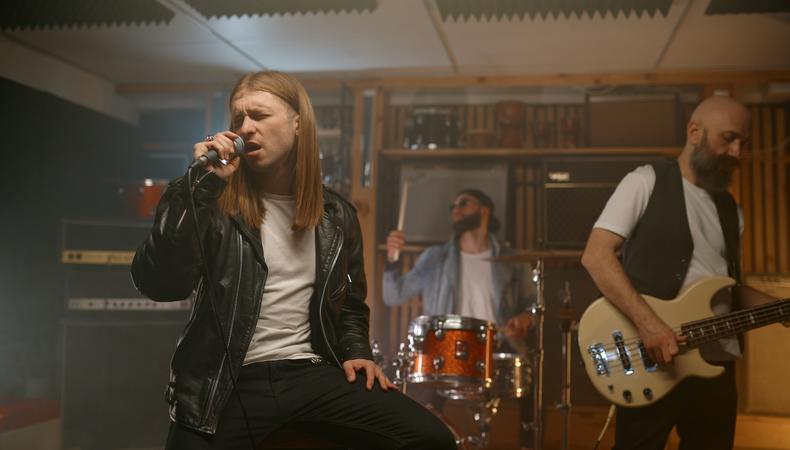
At some point in nearly everyone’s life, the thought of becoming a rock star crosses their mind. The fame, the glory, and the adoration all sound pretty great—but first, you need to start a band. It’s not easy, but the beauty of music is that anyone can do it. You just need to have a dream, drive, and dedication.
1. Define your vision and sound.
Before recruiting anyone, you need to learn an instrument (some are easier than others). Then, you need to know what kind of band you want to create. That doesn’t mean everything must be predetermined, but having a basic framework keeps you focused.
Ask yourself some guiding questions:
- What genre or blend of genres do I want to play?
- Do I want to focus on original music, covers, or a mix?
- Am I aiming for casual fun, or do I hope to turn this into a career?
- What kind of venues or audiences do I picture playing for?
If you can articulate this vision clearly, it’ll be much easier to attract musicians who share your goals. The biggest mistake many new bands make is skipping this step and inviting friends without a shared direction. Musical chemistry can’t fix misaligned ambition; if half the band wants to tour and the other half only wants to jam on the weekend, conflict is inevitable.
2. Recruit the right musicians.
Once you know what kind of band you want, it’s time to find people who fit musically, technically, and personally. Phil Gardyasz, frontman for the Philadelphia-based band Lito and the Shepherds, notes that there are two paths when assembling a band: “Find like-minded friends and decide, ‘Hey, we should start a band.’ [Or] write all the music yourself and discover you need other people to be able to play all these songs to an audience.”
If you’re following the second option, Gardyasz says, “You’ll usually have to consult friends of friends or introduce total strangers to your music and hope they dig your stuff.”
So, start with your network by asking friends, classmates, or coworkers if they play. Post in local Facebook groups and Reddit threads or on sites like Bandmix and Bandfinder.
When you meet potential members, try a few informal jam sessions before making anything official. You’ll quickly sense whether personalities mesh and whether your playing styles complement each other. During these early sessions, focus less on perfection and more on vibe: Do ideas flow easily? Does everyone communicate respectfully? “The key part is developing chemistry with your bandmates,” Gardyasz explains.
3. Choose a band name and identity.
Once you’ve got your core members, the next step is creating an identity. A band’s name, logo, and aesthetic all contribute to how audiences perceive you. Pick a name that feels authentic to your style and easy to remember. Avoid names that are overly generic or hard to spell—you’ll want fans to find you online easily. It may not feel rock ’n’ roll to think about SEO, but searchability matters.
Before locking your name in, do a quick search on Spotify, Instagram, and Google to ensure no other band is already using it. Check domain availability if you plan to have a website. It’s surprisingly common for bands to choose duplicate names and later run into confusion or even copyright issues.
And remember that your band identity extends beyond the name. Think about your visual style—you don’t necessarily need matching outfits like your favorite boy band, but aim for a general sense of cohesive presentation. If your sound is dark and moody, maybe your look leans that way, too. If it’s upbeat and lively, your imagery can reflect that tone. You don’t need a designer from day one, but consistent visual taste will help you stand out.
4. Build a repertoire.
Next comes the heart of any band: the songs. If you’re writing originals, start with a handful of solid tracks rather than chasing quantity. It’s better to have four great songs than 10 unfinished ideas.
The division of labor when writing songs can vary. “Usually there’s a main songwriter, and they might spearhead the whole operation,” says Gardyasz. “Everyone makes their contributions and sacrifices, though, and in a good band, everyone is doing their part to get the songs right.”
If you’re forming a cover or wedding band, build your setlist strategically. Choose songs that:
- Fit your collective skill level
- Resonate with your target audience
- Work together sonically in a live set
Keep your repertoire manageable at first. About 30–40 minutes of tight, well-rehearsed material is enough for an opening slot or short bar gig. As you grow, you can expand to 90-minute sets for headlining or for private events.
5. Find a practice space and establish a routine.
Whether a member’s garage, a rented studio, or a community center with hourly rates, a reliable rehearsal space is essential.
Treat rehearsals professionally, even if the band is new. Agree on a regular day and time each week, and strive to show up prepared, warmed up, and on time (and, yes, this is true even for aspiring singers). Nothing kills enthusiasm faster than wasting half the session troubleshooting equipment or re-teaching parts.
Recording rehearsals, even with a phone, helps you track progress. You’ll notice mistakes or tempo issues you didn’t catch at the moment. Run the songs again and again. As Gardyasz notes, “Practice until the songs come second nature to everyone in the band.” Over time, this discipline turns your band into a cohesive, reliable live act, which is what venues pay for.
6. Invest in the right gear.
You don’t need to spend thousands of dollars, but certain investments are non-negotiable to get a band up and running. Everyone should own and maintain their own basic gear: instruments, cables, stands, and cases. For drummers, reliable hardware and cymbals are worth the cost. For guitarists and bassists, consistent tone comes from good strings, amps, and pedals that match the band’s sound.
The band as a unit may eventually invest in shared equipment like microphones, a small PA system, or in-ear monitor setups (especially useful for self-mixed gigs). Agree in advance how these purchases are handled and who stores them; shared financial transparency keeps bands and friendships intact.
7. Rehearse for the stage.
Once your songs feel tight, it’s time to think about performance. Live shows require more than just accurate playing—they also need presence and flow.
Start running your full set as though you’re onstage. Minimize pauses between songs, plan transitions, and practice your introductions or crowd banter. Stage chemistry is as much about body language as it is about music.
Once you get the songs close to perfect, “then you can start to toy around with them and give them their own feel that day,” Gardyasz says.
8. Record a demo.
You don’t need a full studio album to get gigs, but you do need something that represents your sound. A clear, energetic three-song demo or live rehearsal recording is usually enough for early bookings.
If you can afford studio time, great! Local studios often have affordable band demo packages. But with modern software like Bandlab, Riverside, and Soundtrap, you can create surprisingly clean tracks at home. Record each instrument separately, keep levels balanced, and use free plugins for EQ and compression. Once finished, upload the songs to platforms like Bandcamp, DistroKid, and SoundCloud for promoters and producers to hear.
A professional-sounding demo also helps you market your band online. Even a short, well-mixed clip of a live performance can be turned into social media content that attracts attention.
9. Create an online presence.
Before you start contacting venues, build a digital home base by creating social media accounts under your band name—Instagram, TikTok, Facebook, and YouTube are the essentials. Add a simple bio, a few good photos, and links to your music.
When it comes to generating interest and building an audience, consistency is key. Post clips from rehearsals, behind-the-scenes moments, and snippets of new songs; engage with followers and reply to comments; and tag local venues or bands. You don’t need to act like influencers (in music, authenticity is king), but you should clearly be a part of the music-making community.
10. Practice playing live.
Finally, it’s time to shred! The first gigs often come from personal connections, so ask friends who play shows if you can open for them and contact local bars or coffee shops that host live music. When reaching out, include a short, professional message that highlights who you are, what genre you play, a link to your demo, and how long your set is.
Early on, you may need to accept unpaid or low-paying gigs to build reputation and experience—that’s normal. Focus on being professional and easy to work with by showing up early, bringing your own gear, playing on time, and thanking the staff.
11. Connect and collaborate.
Attend lots of shows to build your network. “It helps to go to shows in your local scene and develop connections with other acts,” Gardyasz explains. “If you’re friendly with other bands, they might recommend you for shows.”
Once you meet other musicians, you’ll want to start collaborating. Gardyasz says that it can be enormously useful to “build a bill of other bands that hopefully will mesh well with your sound,” since these types of connections make it easier to book.
Keep in mind that networking doesn’t have to feel transactional. Most opportunities come from genuine connections, so take the time to talk to sound engineers, venue managers, and even photographers. Everyone in the local scene plays a part in elevating one another.
12. Develop a set worth paying for.
Once you’ve played several shows and refined your performance, start thinking like professionals. Paid gigs require not only great music but also reliability, efficiency, and entertainment value.
To justify pay, your band should be able to deliver at least one hour of tight, engaging material with smooth transitions and crowd appeal. Learn how to read the room: If a crowd starts to fade, have a few flexible songs ready to revive energy.
For cover or function bands, aim to keep people dancing and singing along. You’ll also want to track your setlists and adjust them over time based on audience response. The most successful gigging bands evolve constantly, refining their material like comedians tweak jokes after each show.
13. Start getting paid!
When your band consistently draws crowds or adds value to an event, it’s time to earn money for your work with paid gigs. Typical local rates vary depending on venue size, city, and set length, but a baseline starting point for new local bands might be $100–$300 total for a full set at a small venue.
To reach agreements professionally, decide beforehand who handles booking communications and how payment will be divided, and keep records of all gigs, payments, and contacts. Organization separates hobbyists from professionals.
As demand grows, you can negotiate higher rates or seek representation from a booking agent. You can also explore private events, weddings, or festivals, which often pay significantly better than bar gigs.
14. Keep growing and stay sustainable.
Reaching the point of paid gigs isn’t the end—it’s the beginning of the next stage. Bands that endure share the habits of consistent practice, clear communication, and balanced ambition. Disagreements will happen, so establish transparent decision-making processes early on. Decide how new songs are chosen, who manages finances, and how credit is shared. Respect and honesty often go further than any technical skill.
Continue writing and recording new material, posting regularly, and nurturing your fanbase. Celebrate milestones—your first show, your first payment, your first 100 followers—and use them as motivation to keep improving.
Above all else, just keep working at it. As Gardyasz puts it: “Hard work won’t always seem like it pays off, but unless you’re a savant, you’ll have to work hard to make a dent out there.”