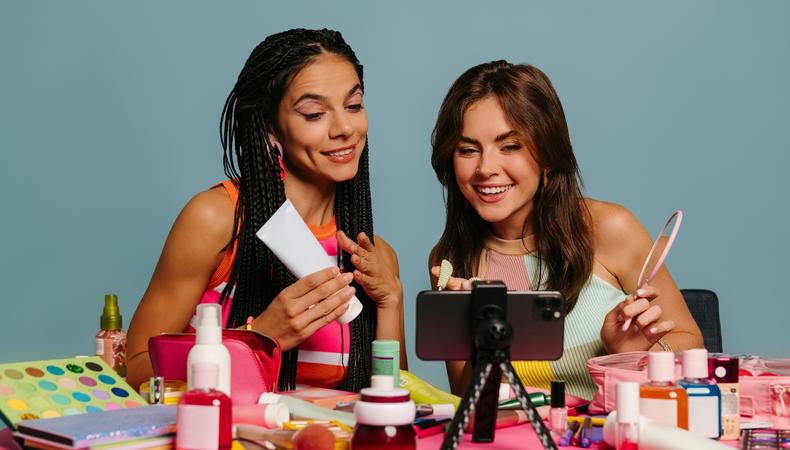
When Selena Gomez posts a sponsored video for Rare Beauty or MrBeast drops a product integration in one of his viral challenges, you can bet there’s a detailed document behind every second of that content. Brand-influencer partnerships are everywhere—but the best campaigns don’t start with a posting schedule. They start with a great influencer brief, a document that gets brands and creators on the same page before a single piece of content is made.
Put simply, an influencer brief is a document provided to creators before an advertising or marketing campaign begins. It serves as a reference guide that explains the purpose of the collaboration and provides the information necessary to create content that meets the brand’s goals.
Think of it as a creative blueprint for user-generated content. The brief tells influencers:
- Who the brand is
- What product or service the brand is promoting
- Who the target audience is
- What content should be created
- When content should be delivered
- What key messages should be communicated
- What the legal and/or compliance requirements are
It’s important to remember that a brief is not a contract. Contracts establish legal terms and compensation; the brief focuses on campaign execution and creative direction.
The best briefs create alignment between the brand and creator while still allowing room for the influencer’s unique voice and style. They’re necessary for any campaign, whether it be with a nano-influencer or a superstar mega-influencer.
Why influencer briefs matter
Regardless of the type of influencer being engaged, influencer campaigns fail when expectations are not clearly communicated.
Without a brief, you run the risk of the creator:
- Emphasizing the wrong product features
- Missing important deadlines
- Omitting required disclosures
- Producing content that feels off-brand
- Using incorrect messaging
A strong brief minimizes these issues by ensuring everyone starts from the same understanding.
Benefits of a well-written influencer brief include:
- Better content quality
- Fewer revisions
- Faster production timelines
- Improved campaign performance
- More consistent messaging
- Stronger creator relationships
Overall, a brief helps both parties do their jobs more effectively.
Credit: PeopleImages/Shutterstock
What should be included in an influencer brief?
An influencer brief can be wide-ranging, but it should always be explicit. An influencer should walk away from a brief knowing exactly what is expected of them.
Campaign overview: Start with a high-level summary of the campaign. This section should answer:
- What is the campaign?
- What are the primary goals?
- Why is it happening?
For example: “The goal of this campaign is to increase awareness of our new meal delivery service among busy professionals ages 25–40.” This gives creators immediate context and helps them understand the broader purpose behind the collaboration.
Brand background: Don’t assume every creator knows your company. Provide a concise overview of your business, including its mission, values, target audience, and unique selling proposition. This section doesn’t need to be lengthy—one or two paragraphs are usually enough. The goal is to help influencers understand the brand’s personality and positioning.
Product or service information: Creators need to understand what they’re promoting. Include product descriptions, key features, benefits, pricing (if relevant), common customer pain points, and frequently asked questions. Focus on benefits, not just specifications.
For example, instead of saying “Our water bottle holds 32 ounces,” say: “Our water bottle helps users stay hydrated throughout the workday without frequent refills.” Benefits are easier for creators to communicate naturally.
Campaign objectives: Clearly define what success looks like. Doing so benefits both parties. Possible objectives include:
- App downloads
- Brand awareness
- Email signups
- Event attendance
- Lead generation
- Product sales
- Website traffic
Influencers can create stronger content when they understand the desired outcome.
Deliverables: This is one of the most important sections of the brief. Specify exactly what content is required. For instance:
- One Instagram Reel
- One TikTok video
- One YouTube integration
- Three Instagram Stories
- Five product photos
Include format requirements if necessary. Ambiguity often leads to misunderstandings—and misunderstandings always lead to headaches.
Deadlines: List all relevant dates. A simple timeline can help keep the project organized.
Key messages: Outline the most important points you want creators to communicate. Limit this section to three to five key messages—too many talking points can make content feel scripted. For example:
- Available nationwide
- Free shipping on first orders
- Made with 100% recycled materials
These points should guide the content without dictating every word.
Required mentions and hashtags: Include affiliate links, brand handles, campaign hashtags, promotional codes, and website URLs. Make sure these requirements are easy to find.
FTC disclosure requirements: Influencers must disclose material relationships with brands. Clearly explain disclosure expectations, such as #Ad, #SponsoredPartnership, or other required language. This protects both the brand and the creator.
Creative guidelines: Provide guidance on tone, style, and visual direction. You may include brand colors, example content, mood boards, visual references, and brand voice guidelines. However, avoid prescribing every creative decision. Creators know their audiences better than anyone—that’s what you’re paying them for.

Credit: dodotone/Shutterstock
What should not be included?
As with anything, it’s important to know what isn’t needed. Don’t overwhelm your business partner with any of these behaviors:
- Excessive micromanagement: One of the biggest mistakes brands make is over-directing creators. Avoid writing scripts unless absolutely necessary—influencers are hired because of their unique voice and relationship with their audience. If content feels overly controlled, performance often suffers.
- Unnecessary corporate language: Creators do not need lengthy internal marketing jargon. Keep instructions clear and straightforward: the brief should help creators, not impress executives.
- Too many key messages: A common mistake is trying to communicate everything. When brands include 10, 15, or 20 talking points, creators struggle to determine what matters most.
How detailed should an influencer brief be?
There’s no universal word count. A brief for a simple gifting campaign may be only a few hundred words; a major multi-platform campaign might require several pages.
As a general guideline:
- Small campaigns: 500–1,000 words
- Standard campaigns: 1,000–2,000 words
- Large campaigns: 2,000–4,000 words
Focus on clarity rather than length. A concise brief that answers the most important questions is usually more effective than a 10-page document filled with unnecessary information.
If creators repeatedly ask for clarification, the brief may be too vague. If creators complain about restrictions, it may be too detailed. The ideal brief provides direction without suffocating creativity.
What separates a good brief from a bad brief?
Good influencer briefs are:
- Clear
- Concise
- Creator-friendly
- Easy to scan
- Flexible
- Goal-oriented
- Organized
Bad briefs, meanwhile, are often:
- Confusing
- Contradictory
- Excessively restrictive
- Filled with jargon
- Missing key information
- Overly long
A good brief says: “Highlight how the product simplifies meal preparation.”
A bad brief says: “At exactly 0:14, hold the product in your left hand while reading this sentence verbatim.”
The best briefs communicate outcomes rather than scripts. They explain what needs to happen without dictating every creative choice. At the same time, keep in mind that creators should not have to decode your intentions. If the brief creates more questions than answers, it probably needs revision.
Here’s an example of a solid brief for an influencer.
Campaign name
Summer Hydration Challenge
Brand
HydraFlow Water Bottles
Campaign goal
Increase awareness of our new insulated water bottle among health-conscious consumers ages 18–35.
Deliverables
- One Instagram Reel
- One TikTok video
- Three Instagram Stories
Key messages
- Keeps drinks cold for 24 hours
- Leak-proof design
- Made from recycled materials
Required tags
@HydraFlowOfficial
Hashtag
#HydraFlowChallenge
Timeline
- Product ships: June 1
- Draft due: June 15
- Content live date: June 20
Creative direction
Show how the bottle fits into your daily routine. We encourage authentic demonstrations and personal experiences. Avoid scripted presentations.
Disclosure
Please include #Ad and follow FTC disclosure guidelines.
Credit: Chay_Tee/Shutterstock
Ready to start your own? Here’s an outline you can follow.
Campaign name
---
Brand name
---
Campaign overview
---
Campaign goal
---
Target audience
---
Product or service description
---
Deliverables
---
Key messages
- 1. ---
- 2. ---
- 3. ---
Required tags
---
Required hashtags
---
Affiliate link or promo code
---
Content deadline
---
Posting date
---
Creative guidelines
---
FTC disclosure requirements
---