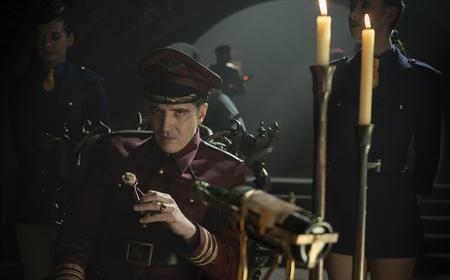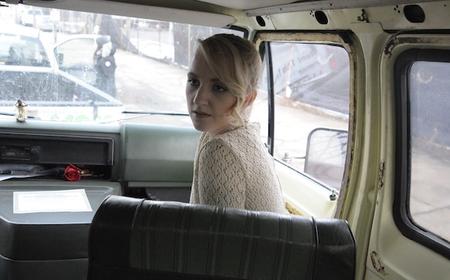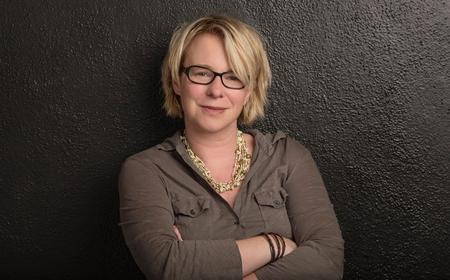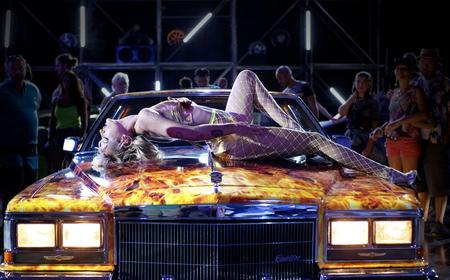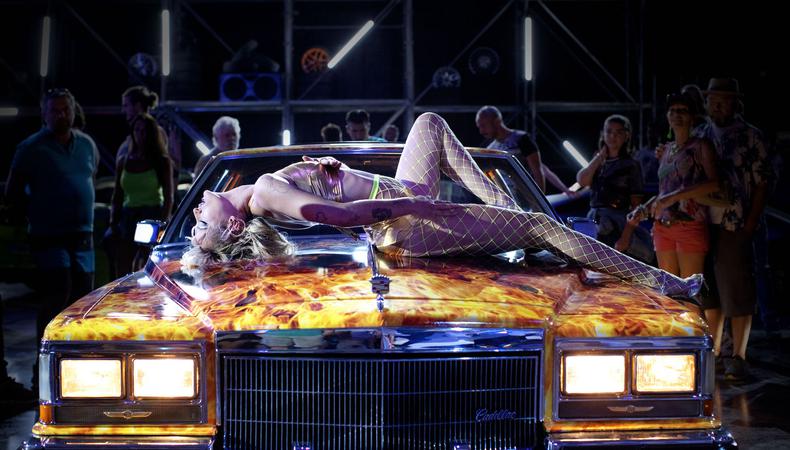
Julia Ducournau’s films are not for the faint of heart. She made her feature debut with 2016’s acclaimed “Raw,” about a cannibal; but the filmmaker received even more praise this year for “Titane.” The body horror epic, about a serial killer who hides from the police after being impregnated by her car, won Cannes’ top prize, the Palme d’Or, this year.
“That felt really good—I’m not going to lie to you,” Ducournau says. “It felt good because I never know to what extent I’m going to be understood.”
The French filmmaker’s work relies heavily on symbolism and lurid escapades that make for a “very organic” and politically charged experience for viewers. “Titane,” for instance, tackles gender dynamics, queer identity, bodily autonomy, and how those things are capitalized on within its first 30 minutes. Given her fondness for gruesome theatricality, Ducournau admits she has questioned whether her creative instincts and sensibility will land with audiences. But she pushes through such second-guessing by thinking of the artists who inspire her most.
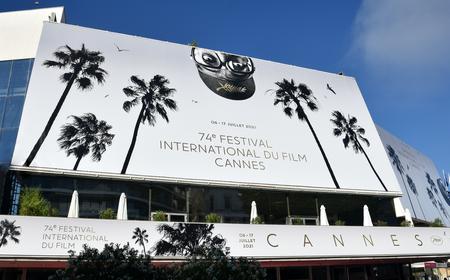 Cannes 2021 Crowns Julia Ducournau, Second Female Palme d’Or Winner in History
“The ones that really triggered something in me and gave me some of their energy are artists that I [say] ‘walk in freedom,’ ” she says. “When I see their art, whether it’s a film or photography or whatever, I feel like, Oh, so this is what it is to be free. It’s like reinventing a form, inventing a new language, trying to challenge yourself constantly, trying also to challenge the topic that you tackled that might not be very easy.”
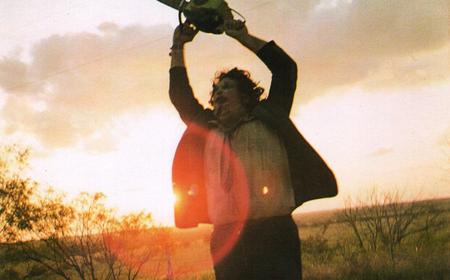
She cites the “aesthetic shocks” of filmmakers like David Cronenberg (“Crash”) and Pier Paolo Pasolini (“Salò, or the 120 Days of Sodom”), photographers like Robert Mapplethorpe, and writers like Edgar Allan Poe. “When I was a kid, all these artists made me stop and go: You can actually be free in that world. This is what freedom is,” she recalls.
That also means, though, that as an auteur, “the only thing that can pull you down is yourself.” “Titane” came after a year of writer’s block following the success of “Raw.”
“I froze because of the [outsized] expectations that were on my second film, but also [because of] my own expectations,” Ducournau says. “I was afraid that I was not going to be able to put as much energy in as I did for [‘Raw’]. [It] made me freeze like crazy [and] was very painful. I thought that I would not be able to produce anything radical.”
In many ways, her vision for “Titane,” violence and all, stemmed from that fear. “Somehow, I think I had to go through that in order to get to that level of ‘fuck you’-ness. You know, you’re going to have to get this out. Whether people like your film or not is not even an issue right now,” she says. “You just have to write it.”
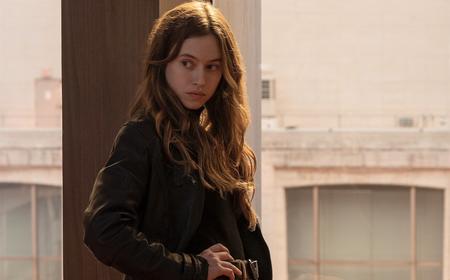
Once it was on the page, it was also imperative for Ducournau to find like-minded collaborators and performers who were game for all of the craziness she was going to throw their way. Fortunately, for “Titane,” she had that and more in her lead actors Agathe Rousselle and Vincent Lindon. Shooting between two COVID-19 shutdowns and amid many restrictions also produced “a very close-knit crew, a very focused crew, and a very vital energy” that was “perfect for the film.”
With all that in mind, Ducournau has one final bit of filmmaking advice. “I could write a book, [but] I think that as much as you have to always be open to the dialogue with your crew and with the people collaborating with you, you still have to never make any compromises as far as your vision is concerned,” she says. “That’s good advice.”
This story originally appeared in the Nov. 4 issue of Backstage Magazine. Subscribe here.
Looking for remote work? Backstage has got you covered! Click here for auditions you can do from home!