
It may be 2026‚ but a look at the Academy Awards’ best picture and acting nominees shows an interesting trend. There’s really only one big-money “Hollywood” movie sparkling in the lineup (“F1”); the rest are films very much taking up the mantle of the personal, character-driven filmmaking of the 1970s, with the nominated actors eschewing easy star parts for more grit-and-gruel performances that favor intensity over adoration.
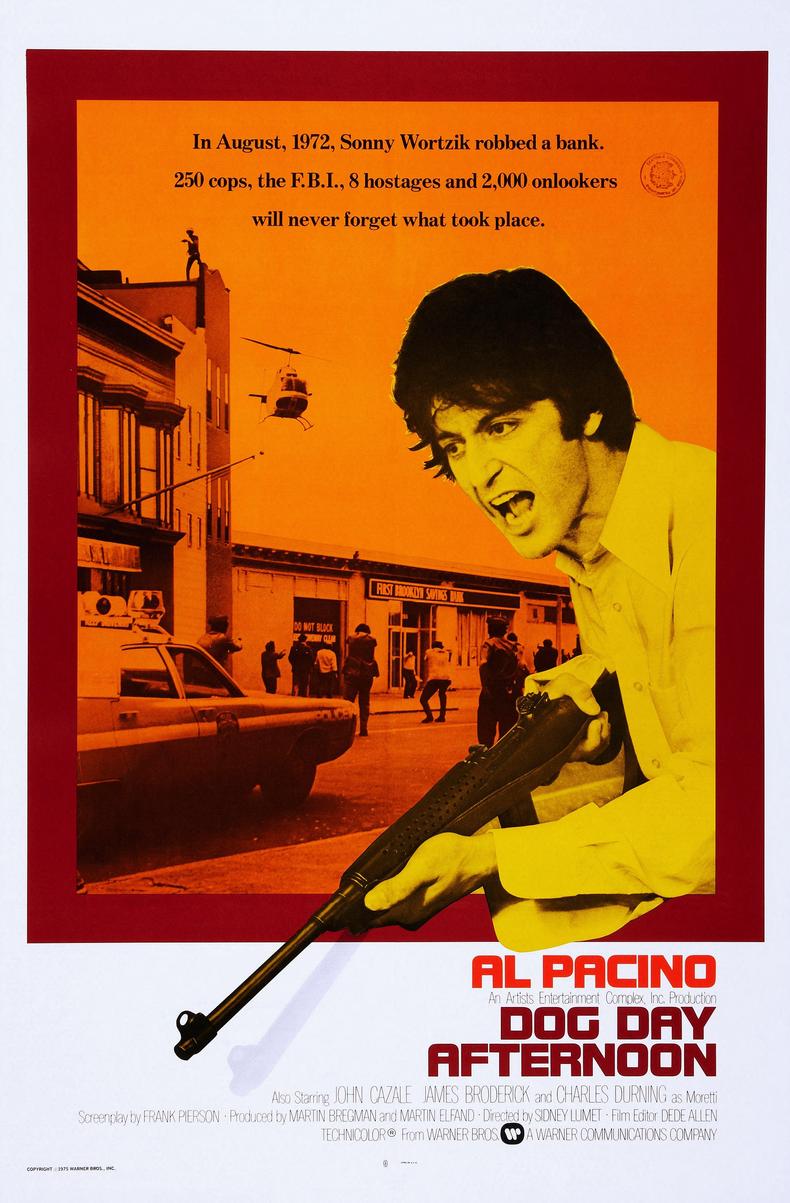 Two of the nominated movies pit two generations directly against each other: “Marty Supreme” powerhouse Timothée Chalamet is situated right next to the actor most people compare him to, “One Battle After Another” star Leonardo DiCaprio, who is 20-plus years his senior. Both of their films are broadly visionary, nerve-jangling opuses about different forms of men-children—characters ripped from the 1970s playbook, where the antihero reigns—and both actors give themselves over to the roles completely. There is more than a trace of Jack Nicholson in “The Last Detail” (1973) or “One Flew Over the Cuckoo’s Nest” (1975), or of a “Dog Day Afternoon”–style Al Pacino, rattling around in these portrayals. DiCaprio’s perpetually stoned revolutionary dad and Chalamet’s garrulous, uber-confident ping-pong whiz are both antiheroes who could sit easily in a Bob Rafelson or Hal Ashby project, and both anchor films that are defiantly of their time yet somehow ageless.
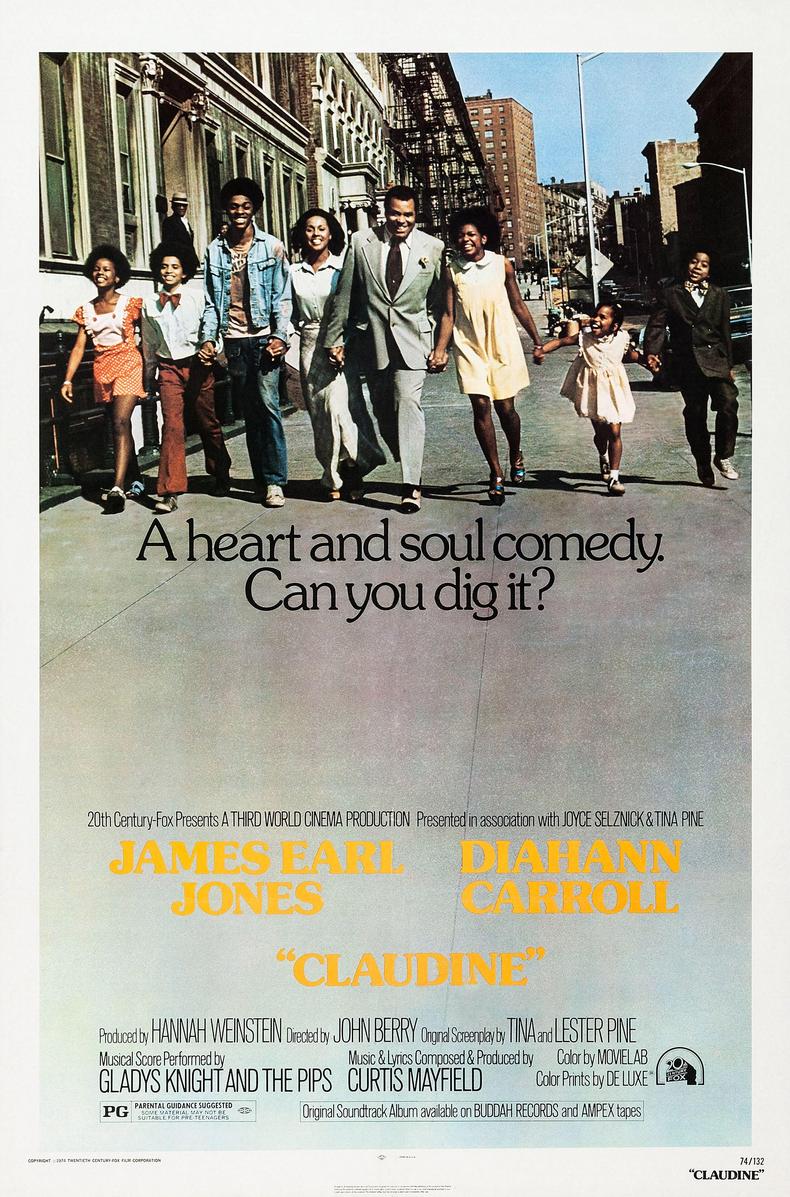 First-time nominee Michael B. Jordan’s double role in “Sinners”—with its two clearly defined brothers-in-crime-and-life—seems to use Jordan’s movie star wattage at a lower register. His performance feels more indebted to a “Claudine”-era James Earl Jones or Burt Reynolds in 1972’s “Deliverance‚” mixed with ’70s Black action-star swagger (think Fred Williamson or Richard Roundtree), versus later luminaries like Denzel Washington or Jamie Foxx, who seem to have influenced much of Jordan’s past work.
Joachim Trier’s Norwegian gem “Sentimental Value‚” with all four of its central performers nominated, also taps into the decade’s sensibilities. The performances and Trier’s elegant held takes and use of close-ups evoke the emotional rigor of Ingmar Bergman, whose bold, unflinching dramas crossed into mainstream Oscar contention with films like “Cries and Whispers” (1972) and “Autumn Sonata” (1978).
Nothing is more inherently ’70s-coded than “The Secret Agent‚” a gritty, genre-bending thriller set in the decade. Its director, Kleber Mendonça Filho, a former film critic turned filmmaker, is never shy about his influences, from the Italian thriller “Investigation of a Citizen Above Suspicion” (1970) to the films of Brian De Palma, whose Hitchcockian riffs like “Obsession” (1976) and “Sisters” (1972) dominated the period. A savvy moviegoer can pick up these influences in many frames of “The Secret Agent,” right down to newbie Oscar nominee Wagner Moura’s sweaty, unbuttoned disco-era attire.
And if you haven’t been paying attention, international films are finding audiences again and increasingly becoming a major force during awards season. This year’s Oscars even include a foreign-language-speaking actor in each of the four acting categories (thanks mainly to “Sentimental Value”), and it feels much like the time when François Truffaut and Federico Fellini were regulars in the awards conversation, alongside Hollywood counterparts like John G. Avildsen with “Rocky” (1976) and George Roy Hill with “The Sting” (1973).
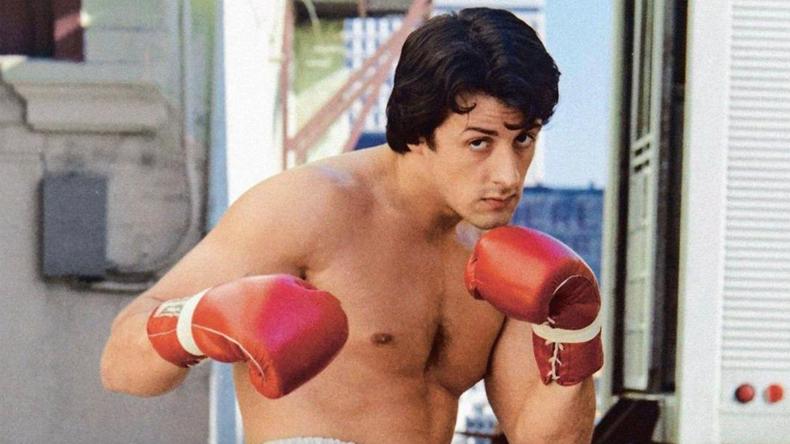
Credit: Pictorial Press Ltd./Alamy
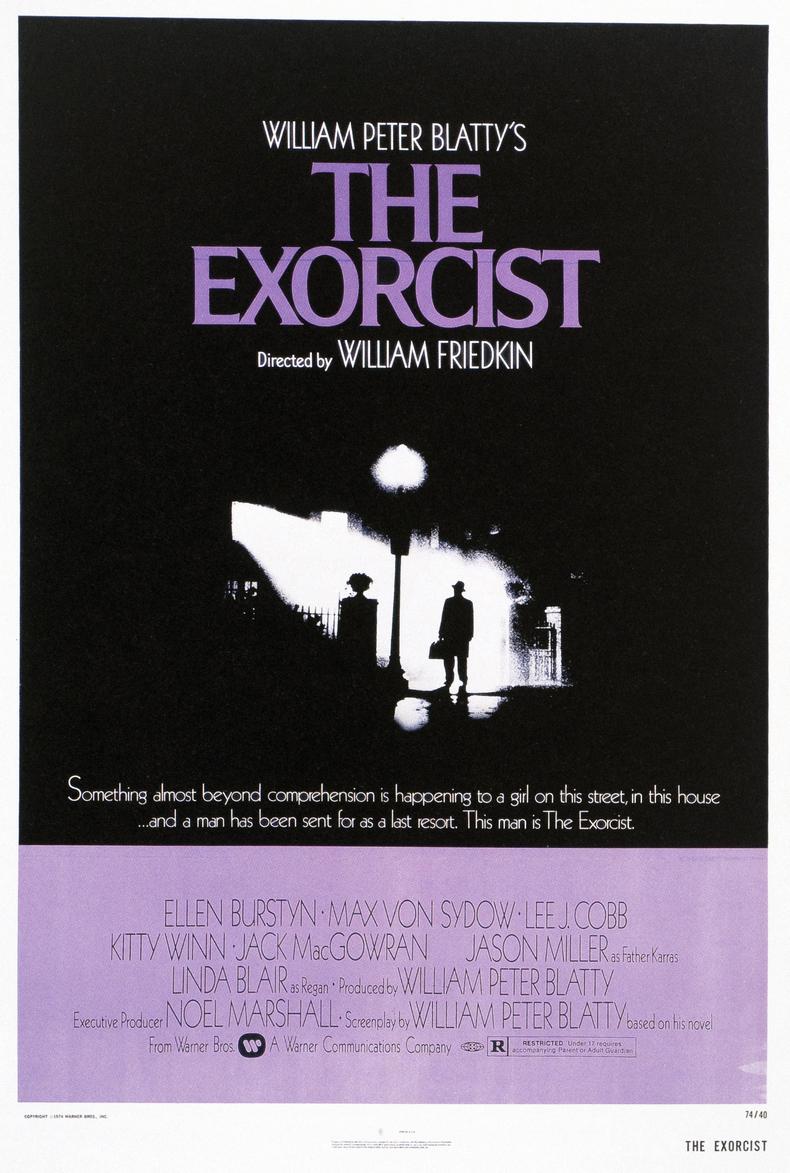 A few of this year’s more refreshing nominees came in the form of veteran actors in their 70s, in films falling under the horror banner: Delroy Lindo in “Sinners,” enjoying his first-ever Academy Award nomination for playing musician Delta Slim; and “Weapons” phenomenon Amy Madigan, whose indelible Aunt Gladys garnered the actor’s first Oscar nod in exactly 40 years. Horror films seem to finally be registering with the acting branch (recall Demi Moore’s nom for “The Substance” just last year); the Academy historically has avoided spooky pics except in very rare cases, like William Friedkin’s “The Exorcist” (1973) or De Palma’s “Carrie” (1976). But as in that era, the Academy now seems to be warming to them as a viable genre for awards attention for actors.
Even those who went unnominated this year still operated in this creative climate. Major Hollywood stars embraced uncompromising and risky leading roles in dramas, like Jennifer Lawrence’s impressively fierce turn as a troubled mother in “Die My Love” or Golden Globe idol Julia Roberts in “After the Hunt‚” playing a morally questionable professor caught up in a harassment scandal. This type of role aligns more closely with the thorny, emotionally volatile characters played by 1970s icons like Gena Rowlands or Glenda Jackson than, say, the lighter comedic ones that defined the “Pretty Woman” star’s early career (a movie for which she received an Oscar nomination).
This makes for an interesting contrast to only a few years ago, when the success of Barbenheimer defined 2023 and helped reestablish theatrical momentum. By comparison, this year’s top nominees (“Sinners” with 16 nods and “One Battle After Another” with 13) recall a looser, funkier period completely unlike the one they’re in while still reflecting the modern moment. It makes perfect sense that these 2025 titles are more methodical and require more introspection about our dark, uncertain times, whereas the “Barbie” and “Oppenheimer” year (which also had a quite impressive best picture roster) felt more like an industry trying things out post-pandemic, with filmmakers more overtly flexing every tool available to them.
It remains to be seen whether the Oscars on March 15 will embrace the horror of “Sinners” or the revolutionary stance of “One Battle After Another,” or maybe even the Bergmanesque family dynamics of “Sentimental Value”; but even the steely 1970s loved an underdog. At the 1977 Academy Awards, a little movie about a Philly pugilist named Rocky Balboa bested movies such as “Network‚” “All the President’s Men‚” and “Taxi Driver.” Rocky himself probably summed it up best way back then: “It really don’t matter if I lose this fight…. ’Cause all I wanna do is go the distance.”
This story originally appeared in the Feb. 9 issue of Backstage Magazine.
“Dog Day Afternoon” and “Claudine” posters Credit: Everett Collection/Alamy; “The Exorcist” poster Credit: SilverScreen/Alamy