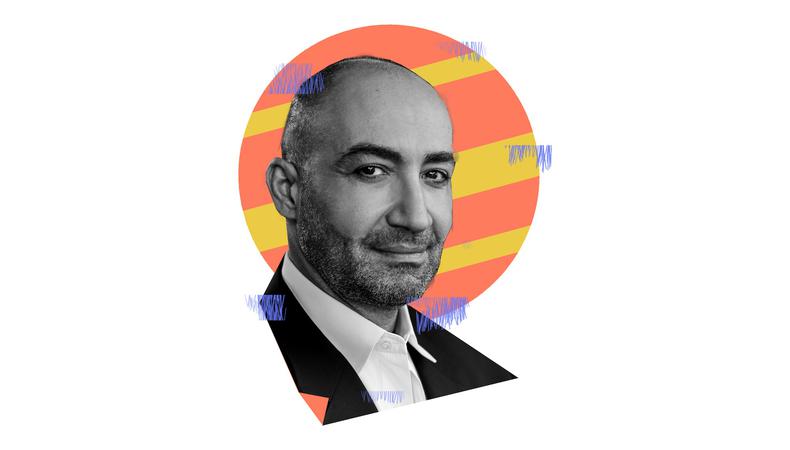
Peter Macdissi’s unlikely journey to Hollywood from a war-torn Lebanon years ago is simply proof of his love and dedication to the craft. “This is something I love, that’s why I do it,” he exclaims on a recent call. “It’s really not the acclaim. It’s not the money, of course, because there is no money, so get that out of your head!” The “Six Feet Under” breakout has since developed a longstanding collaboration with partner in life and work Alan Ball. The latest fruit of their labor is “Uncle Frank” on Amazon Prime Video, a period family drama in which he co-stars alongside Paul Bettany’s Frank as his partner, Wally.
What was the initial spark that drew you to acting in the first place?
I was born in Beirut, Lebanon during the war. We were doing plays and whatnot, and I had to get out. I had to get out, and I wanted to come to Hollywood, so eventually, I got here. I went to the Strasberg Institute, because I have always wanted to be an actor since I was 5, 6 years old. I remember staging things for my family, to distract them from what was going on outside with the war and to entertain them and make them laugh, so there’s definitely an innate thing. I do remember on TV at the time, I was probably 12, 11, and I saw “Rebel Without a Cause” with James Dean, and oh my god, my whole body shivered when I saw him act. I mean, it literally shivered because he just picked my core, that putting himself naked in front of you. That film was illuminating. I remember thinking, No wonder he’s a legend, because he is phenomenal.
Then I came here, and I went to school, to the Strasberg Institute, and I started auditioning and doing nonunion work, and got my SAG card. At the time, it was very hard for people like me, people who are not white or not born here; it’s much easier now, with diversity and whatnot. I would get all these roles in TV—“JAG and “Pensacola” and “The X-Files.” And then “Six Feet Under” came. That was the show that put me on the map in a small way. After that, I continued collaborating with [creator] Alan [Ball] and we did some good work, even though most of it is not really seen and hasn’t been acclaimed like his previous work. I’m very proud of those projects, and I love the roles I got. I’m continuing doing what I love. It’s the passion, definitely, and I love the work. I love working on the character, working with people, and performing. And then after that, I’m done. That’s my treat, just doing the work.
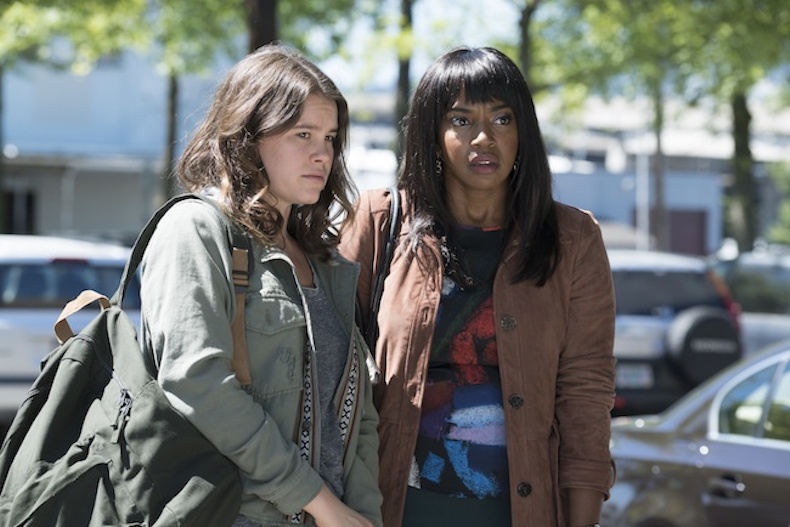 How Alan Ball Cast TV’s Timeliest New Series, ‘Here and Now’
 “My advice would be know why you’re doing it before you start, before you do anything and know what you want from it, because it’s going to require way more from you than what you get from it yourself.”
Can you recall the training that you got at Strasberg—I’m sure it’s very foundational today. In what ways do you carry that with you even years into the industry working now working on “Uncle Frank”?
I never had the luck to meet [Lee Strasberg]…[but] his sense work is essential. Everything is through the senses, we experience life through the senses, and I did a lot of sensory work. Nevertheless, I was infatuated with Stella Adler’s work, which focuses a lot on imagination, and then you had Meisner, as well, the preparation for a scene. Once you get a part, it depends on what the writer wants, what a director wants, and the tone of the show or the project, and what the story is. Then you just get the tools you need from your toolbox. Like some roles require heavy sensory work if you want to recall or evoke certain memories, and some require a lot of imagination. Some require a wit and quick delivery. It depends on the role, but to have a big toolbox with a lot of tools to just lean into it once you need it. I think Strasberg was the method that helped me a lot in doing screen work. I was very lucky that his wife granted me a scholarship at the time after having studied there for a year. She gave me a two-year scholarship because she thought that I was very talented, so that really made me very giddy.
What advice would you give to actors to find what technique and what projects are best for them?
I think the most important thing is for actors to know who they are. I think that’s a journey for most people, for a lot of people. You have to know who you are, what your goal is in the world, and that takes time, and that takes maturity. A lot of geniuses know it when they’re 12. We ordinary people, we wouldn’t have that—that’s our life journey. So you have to know who you are. And then you see the character, you see if you respond to the premise. That doesn’t mean the character’s like you at all, but it has to resonate, it has to speak to you. There’s a gut reaction, once you read it—that this is something I see myself doing, I could bring something new to this character. With these classical roles, Hamlet, or Macbeth, when we go see it, we don’t care if most of us know what the plays are and what the characters are, but we’re going to see that particular actor doing that role because it’s their perspective of what this role is—that’s what fascinating. That’s why we keep on going to the theater and to the movies to see these characters by the specific actors doing them. [So] it’s a journey. The work does not stop, knowing yourself, working on yourself, having empathy, understanding people, being connected to the world, to nature. It’s a whole world to discover and to learn from.
That brings us to “Uncle Frank.” Obviously, this is part of a long-standing collaboration with Alan Ball, but how has playing this character and working on this film made you a better actor?
When Alan showed me the script, I looked at it and I cried my eyes out. Every time I read it, I would cry. That’s a testament to the story and his amazing skills as a writer, but then looking at [my character Wally], on the surface, [he] doesn’t care about any baggage or any issues. I’m used to being cast in roles that are broody and tormented and crazy and intense and conniving and whatnot…. I learned from Wally, believe it or not. We learn from our characters sometimes and their mistakes and their good qualities. I would have loved to go to Saudi Arabia to understand the culture a little bit since he is Saudi. But definitely, the craft is just going with his background, where he comes from, his religion, his culture, his love for his family…. He’s such a positive force in the movie that I was happy to get to be a part of it.
Finally, what is one piece of advice that you would give your younger self when first starting in this industry?
First, just make sure you’re doing it for the right reasons, I would say and that takes time to know exactly why you’re doing it. Be passionate about it if you love it. This is something I love, that’s why I do it. It’s really not the acclaim. It’s not the money, of course, because there is no money, so get that out of your head! It’s just the love and to just grow up into the human condition. My advice would be, know why you’re doing it before you start, before you do anything, and know what you want from it because it’s going to require way more from you than what you get from it yourself.
Looking for remote work? Backstage has got you covered! Click here for auditions you can do from home!