Crafting and executing an entertaining, thought-provoking solo show is one of the most challenging–and fulfilling–feats out there for an artist. For those who have pulled it off, there has long been a world of opportunity awaiting them: Fringe Festivals, college circuits, solo fests, and more.
Enter March of 2020. Theater festivals were universally canceled and millions of artists were left with only one option for live performance: digital streaming. Right away, we began to experiment. I’ve certainly done my fair share of Zoom play readings, Twitch comedy shows, and IGTV series. Although I could immediately see the benefits of putting my one-woman show out there in the digital space, I was also keenly aware of the drawbacks. So if you’ve found yourself, like me, debating this idea, let’s explore the pros and cons.
Let’s start with the most obvious con. You’ve crafted your solo piece of theater for just that–live theater. When an artist properly utilizes the uniqueness of sharing the same space as their audience, both the art and the audience experience are enhanced. Any show reliant on audience interaction must adapt. Even beyond fourth-wall-breaking moments, you’ll have to orient yourself around a camera, which requires complete restaging, beginning to end.
 5 Things Comics Need for a Living Room Performance During Quarantine
 At the same time, reworking things for a camera could be looked at as a pro. This new medium offers elements that live theater can’t like extreme close-ups, and toying with what’s in the frame and what isn’t, controlling what exactly an audience member should focus on. For Diana Varco, whose show “Shattered” recently streamed at the Whitefire Theatre, the experience blending camera and stage together was “a challenging experience [that] took my performance to the next level. Unfortunately, technical glitches were a draw-back, but I would just prepare for those experiences.” She makes a good point, though as someone whose solo show is heavily tech-dependent, I can attest that one must always be prepared for technical glitches. Still, sticking with your old staging, tech requirements, lighting, projections, etc., will surely diminish the experience for the folks at home on their computers.
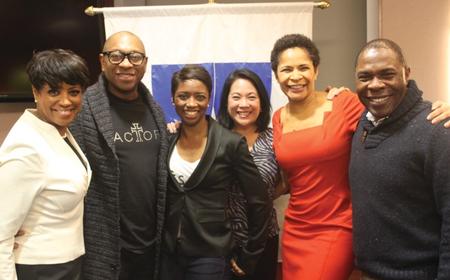
This speaks to a very deeply felt con–the lack of audience response. We’ve all watched late-night talk show hosts delivering their monologues into the void and we all sense the lack of laughter. They have certainly championed their way through it, but the difference is palpably felt. An artist will have to decide whether they can handle the same decided silence in response to their comedic efforts. That can go for dramatic moments, as well. Bill Posley, whose solo show “The Day I Became Black” ran Off-Broadway in rep with Phoebe Waller-Bridges’ revival of “Fleabag,” has opted not to stream his show live because of this separation from the audience. “My show has sensitive material that is supposed to make you feel uncomfortable. I am afraid something may be lost with the barrier of the computer between me and them,” he reasons.
Perhaps the biggest pro to consider is the possibility of a much wider audience. Depending on the platform, there are no limits to the tickets one can sell to an online event. At the same time, though, who is watching online theater? The answer varies, but can be surprisingly positive. Several theater companies have reported decent results from their streaming efforts. The Road Theatre Company worked tirelessly to create a seamless and impressive digital version of their annual Summer Playwright’s Festival and were thrilled to discover they raised more money than ever before. The Whitefire Theatre has held several digital solo festivals and reports that its artists all make their investment back (which, trust me, as a self-produced touring solo artist, is not easy to do). This indicates that the number of tickets sold are similar to what it would be if the show were held in the space itself.
 5 Ways Acting on Video Chat Makes You a Better Artist
 There is also the option not to charge for tickets at all, though in this case you should keep in mind that people are more likely to jump in and out at their leisure, do the dishes while they watch, take a phone call, etc. This is always a risk with streaming but seems less likely to occur if the person watching has paid in advance for the content.
This last drawback has played the biggest role in my decision, thus far at least, to abstain from a digital platform. Perhaps it’s the fussy artist in me, but I prefer that people buckle in from the start and enjoy the crazy train ride I’m about to take them on. Tuning in for five minutes here or five minutes there kills the momentum, the through-line, the emotional payoff of my show.
Still, as the new normal stretches on and on, taking your performance efforts online may prove to be the best option for the pure sake of exercising your creativity, something that all artistic souls need to stay sane.
Looking for remote work? Backstage has got you covered! Click here for auditions you can do from home!
The views expressed in this article are solely that of the individual(s) providing them,
and do not necessarily reflect the opinions of Backstage or its staff.