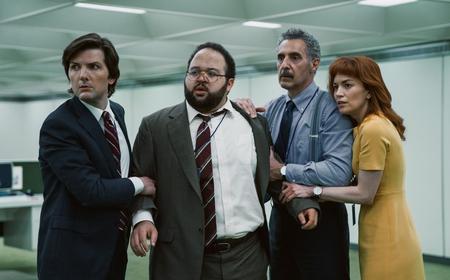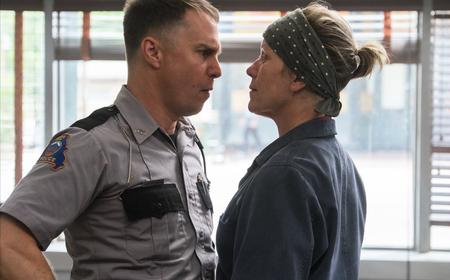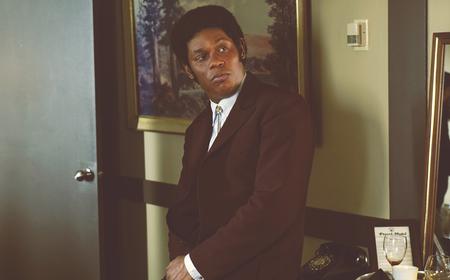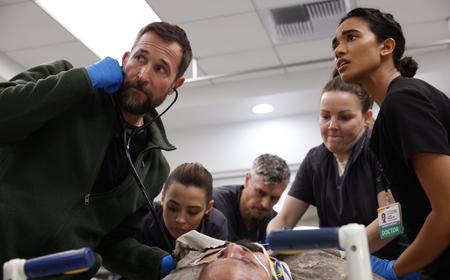
As we prepare for the 32nd Actor Awards presented by SAG-AFTRA, Backstage is breaking down this year’s film and television ensemble nominees for your consideration.
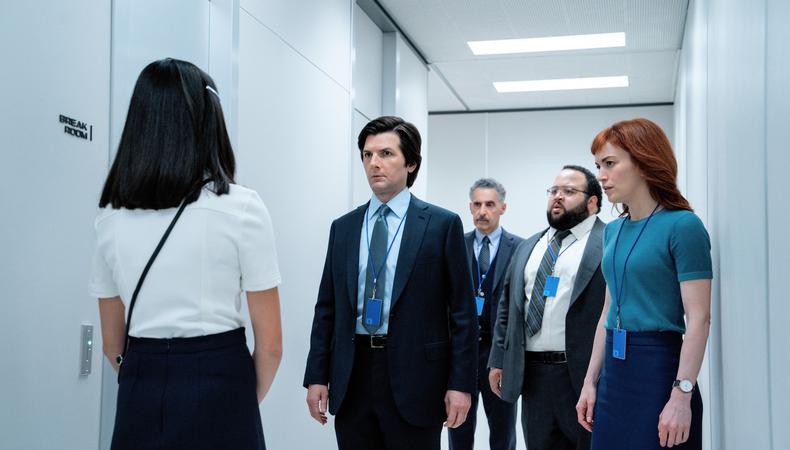
Main cast: Patricia Arquette‚ Zach Cherry‚ Dichen Lachman‚ Britt Lower‚ Adam Scott‚ Tramell Tillman‚ Jen Tullock‚ John Turturro‚ and Christopher Walken
Casting by: Bess Fifer and Rachel Tenner
Created by: Dan Erickson
Distributed by: Apple TV
Most of our main characters on this trippy sci-fi workplace thriller have been “severed.” Their “innies” work at the biotech company Lumon Industries and have no idea who they are outside of work—who their “outies” are. For actors, this is both a gift and a challenge, and the cast makes the most of it.
This is especially true of Britt Lower as Helly R., who, on Season 2, layers her performance with hints of a deeper identity, a sense that something is off, the meaning of which we only slowly come to understand. Adam Scott, as conflicted hero Mark Scout, also pulls off intricate work when his outie’s attempt to connect with his innie leads to a mesmerizing sequence in which the two identities debate via video message.
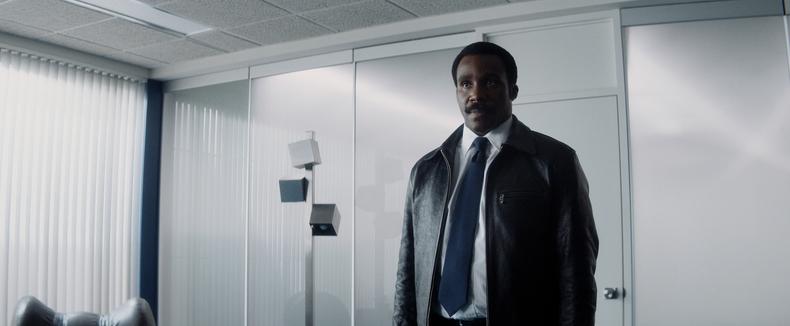
This season, other Lumon employees also have plenty of room to add new dimensions. Zach Cherry’s Dylan G. is tender when he falls for his outie’s wife (Merritt Wever); John Turturro’s Irving B. is heartbreaking when betrayed as both an outie and an innie; and Dichen Lachman delivers a wrenching turn as Ms. Casey, especially when we learn what she’s being put through.
Among the characters on the outside, Jen Tullock is the welcome voice of reason as Mark’s sister, Devon; Patricia Arquette is distressingly strange as the ousted Lumon floor manager Harmony Cobel; and Tramell Tillman makes a lasting impression as Lumon’s Mr. Milchick—part cheery bandleader, part frustrated corporate cog.
“Severance” may have rooms dedicated to goats and brain- altering procedures, but these grounded performances show us how dangerously close we are to the surreal