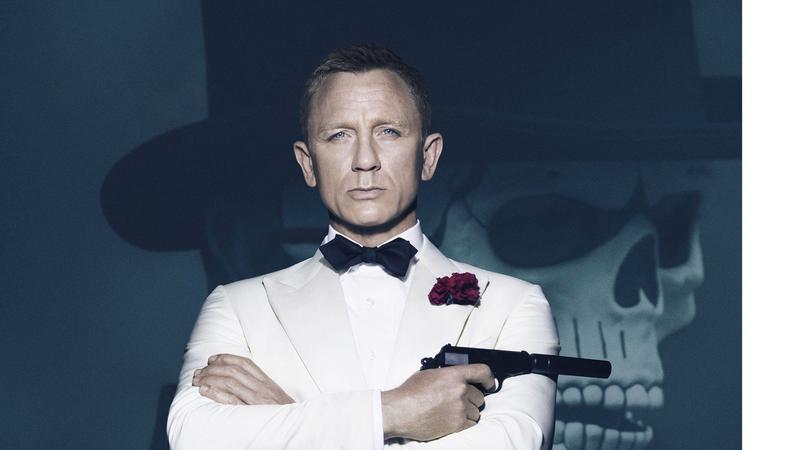
The Slate – Backstage’s live series of online talk-backs, classes, seminars, and industry discussions – will help turn time on your hands to your advantage. Today, we hear advice from Britain’s prestigious National Youth Theatre (NYT), whose alumni include Daniel Day-Lewis, Colin Firth, Helen Mirren, Chiwetel Ejiofor, and James Bond actor Daniel Craig.
We know it’s a tough time to be thinking about drama school or training – and it can feel just as daunting to audition online as it would be in person. That’s why we spoke to two NYT veterans on how the audition process works and what you can do to give you the best chance of getting into drama school. NYT associate artist Abigail Rose and member Harrison Tipping talked us through picking the right speech, nailing an audition, and the tips and tricks to make a perfect self-tape. Here are some of the top takeaways.
Finding the speech for you
Abigail Rose: “Picking a speech can feel like hunting for the holy grail. But it shouldn’t be easy. Usually, I’d say go to a bookshop but now that’s a little more difficult, use the great resources online like Monobox. And when you’re looking, think of it like speed dating for speeches. You need that spark or initial connection.”
Harrison Tipping: “The more a speech connects to on a personal level, the better. When I look for a speech, I often seek something with a character, location or situation I can relate to. Especially in a first-round audition, you want to show a bit of yourself and work to your strengths.”
AR: “Yes, really think about casting yourself. If you’re 16 then don’t pick something in the voice of a 60-year-old. I wouldn’t pick something not in your native accent. NYT and drama schools want to see you, and although you might hate your accent, we love it.”
On not being afraid of Shakespeare
AR: “For Shakespeare, we’re not expecting an RP accent. We’re looking for someone to train with us, not be the complete package already. However, you need to understand the context of the piece thoroughly. In your head, be the director and ask: ‘Where and when are we? Are we in 2021? Is Juliet in her bedroom, waiting for Romeo to arrive?’ You need to understand it deeply because in later auditions we might offer direction or ask for it in modern language. There’s nothing wrong with No Fear Shakespeare or a dictionary of Shakespeare. Even professional actors use it. I look up everything, because it would have meant something different when it was written, and I want to be able to connect to every word.”
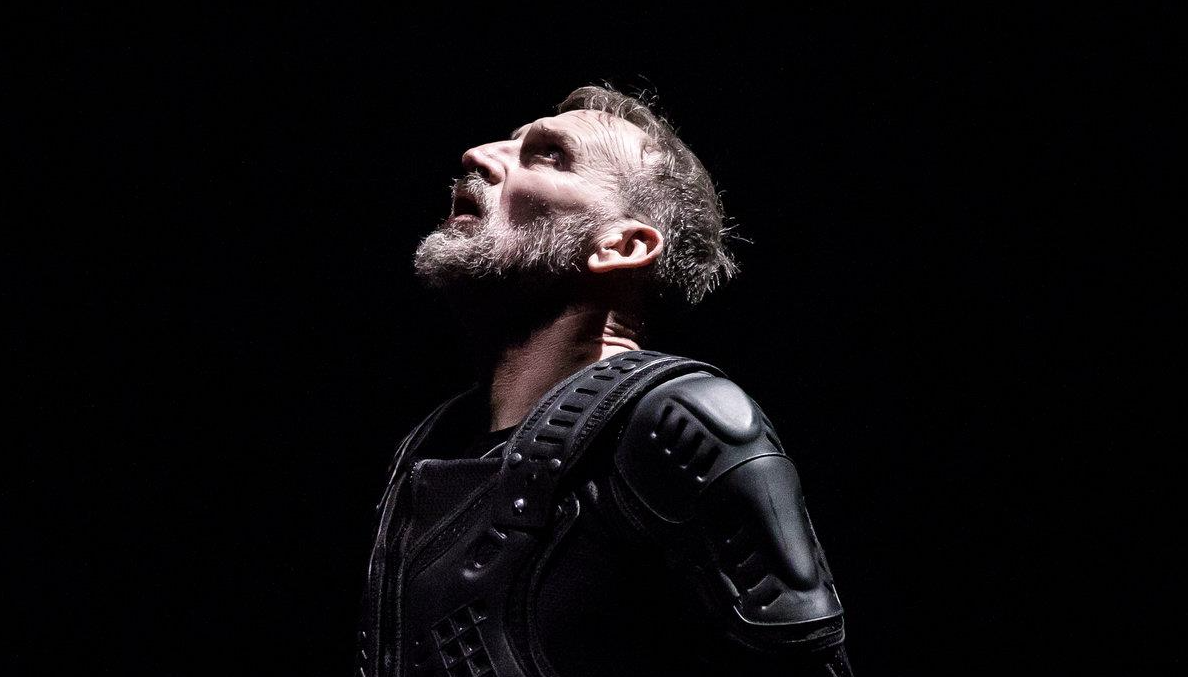 Staging Macbeth: A Guide for Shakespeare Actors + Directors
 On finding a journey in a speech
AR: “It’s tempting to go for big emotions but remember, we need to see what the character wants in the scene, which is far more important than showing feelings. And we don’t want to see you hitting a big emotion at the start of your speech because you’ll have nowhere to go, we want a journey towards something. Equally, if you’re into comedy and can balance being funny and truthful, don’t be afraid of those lighter speeches. We don’t always need to see big dramatic moments. As long as it’s got something at stake for the character.”
On recording the perfect self-tape
AR: “We’re not looking for a beautifully shot tape – you won’t be judged on the quality of it. Having said that, you need to make sure we can see and hear you. And there’s a lot of things you can do to make it stronger.”
HT: “Have your phone in landscape, don’t have anything distracting behind you, like a window or pictures on the wall. I have a cheap plain background and a light, too. We want to see a good frame for your performance; you should be in the centre of the shot, with the bottom of the frame at your rib cage and going a little over your head on the top. You need a bit of room to move and I’d always suggest standing up.”
 15 Things UK Casting Directors Want to See in a Remote Audition
 AR: “In professional acting, we’d usually do a self-tape with someone else. It’s good to have someone there to give you a point of focus. But if you are doing it to the wall, make sure you know exactly where you’re looking and who that imagined person is.”
HT: “Don’t do too many takes and don’t show it to too many people, just those you really trust. And don’t worry if you’re nervous. Take that energy and put it into the self-tape.”
AR: “Ultimately, we’ll be excited to see whatever you give us – we won’t be sitting there critiquing the lighting! It’s just great that you’re still wanting to audition right now. And don’t worry if you don’t get in. Harrison and I didn’t get into NYT the first time, and I didn’t get into drama school the first time either. It’s very common and it might just not be right for you this year. But it will always be a useful experience.”
More industry advice for UK actors? Click here.