
This week, theatres in England were supposed to be celebrating the return to relative normality as the government officially dropped its social distancing rules. But rather than bringing a wave of relief and a longed-for feeling of hope, several industry insiders have instead told Backstage they are feeling “anxious,” “muddled,” and “concerned.”
“Freedom day,” as it was dubbed by the British press, arrived on Monday 19 July. In theory, it means theatres can now welcome capacity audiences again – for the first time since the first lockdown in March 2020 – as all legal requirements for social distancing have been removed. However, the emphasis is now on venues themselves to provide their own safety guidance.
As such, many are continuing with the safety measures they already had in place. As Paul Miller, artistic director of the Orange Tree in Richmond, explains: “We will continue to mandate mask wearing and continue with our distanced seating, one-way systems, timed arrivals and other measures: audience safety and confidence in its safety remains our chief concern.”
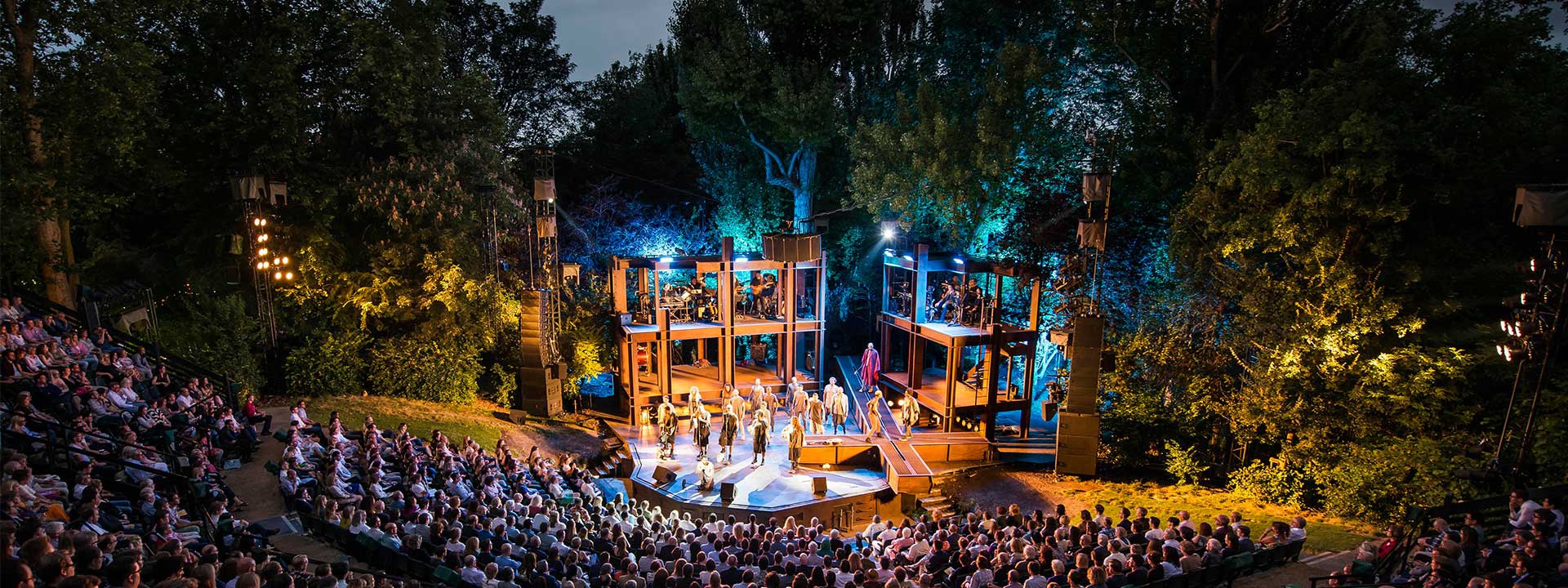 How to Reboot Your Acting Career in UK Theatre Post-Covid
 Unlocking too soon?
That word ‘confidence’ is key; many of the British public are understandably nervous about the removal of social distancing. In fact, a recent poll showed that the majority of voters disagreed with the timing of freedom day, given that a third wave of coronavirus is still in the ascendency, fuelled by the highly transmissible Delta variant. As Miller says, “It feels too soon [to be unlocking], and will add to the hesitancy that’s certainly out there about sitting in crowded theatres.”
Sebastian Warrack, Executive Director of Wiltshire Creative, which manages venues including Salisbury Playhouse, says it doesn’t help that the guidelines that do exist are vague. “The government guidance could and should have been a lot clearer,” he told Backstage. “Stating that it is all about personal responsibility makes it very inconsistent, and puts the onus on the theatres themselves.”
“The government guidance could and should have been a lot clearer. Stating that it is all about personal responsibility makes it very inconsistent, and puts the onus on the theatres themselves.”
Like the Orange Tree, Salisbury Playhouse will continue with social distancing measures, though Warrack says there are plans to drop these in the autumn. But procedures such as temperature checks, hand sanitising, and mask-wearing look here to stay for the longer term.
“We are confident that these measures will minimise the risks to our productions,” says Warrack. “But the big unknown is audience appetite to return to see productions in theatres and arts centres. Without that, we will not be able to earn enough income to make the finances work.”
The commercial sector has been hit hardest, having received little to no government support through the pandemic. It is desperate for full capacity houses again, but behind the scenes there is unease.
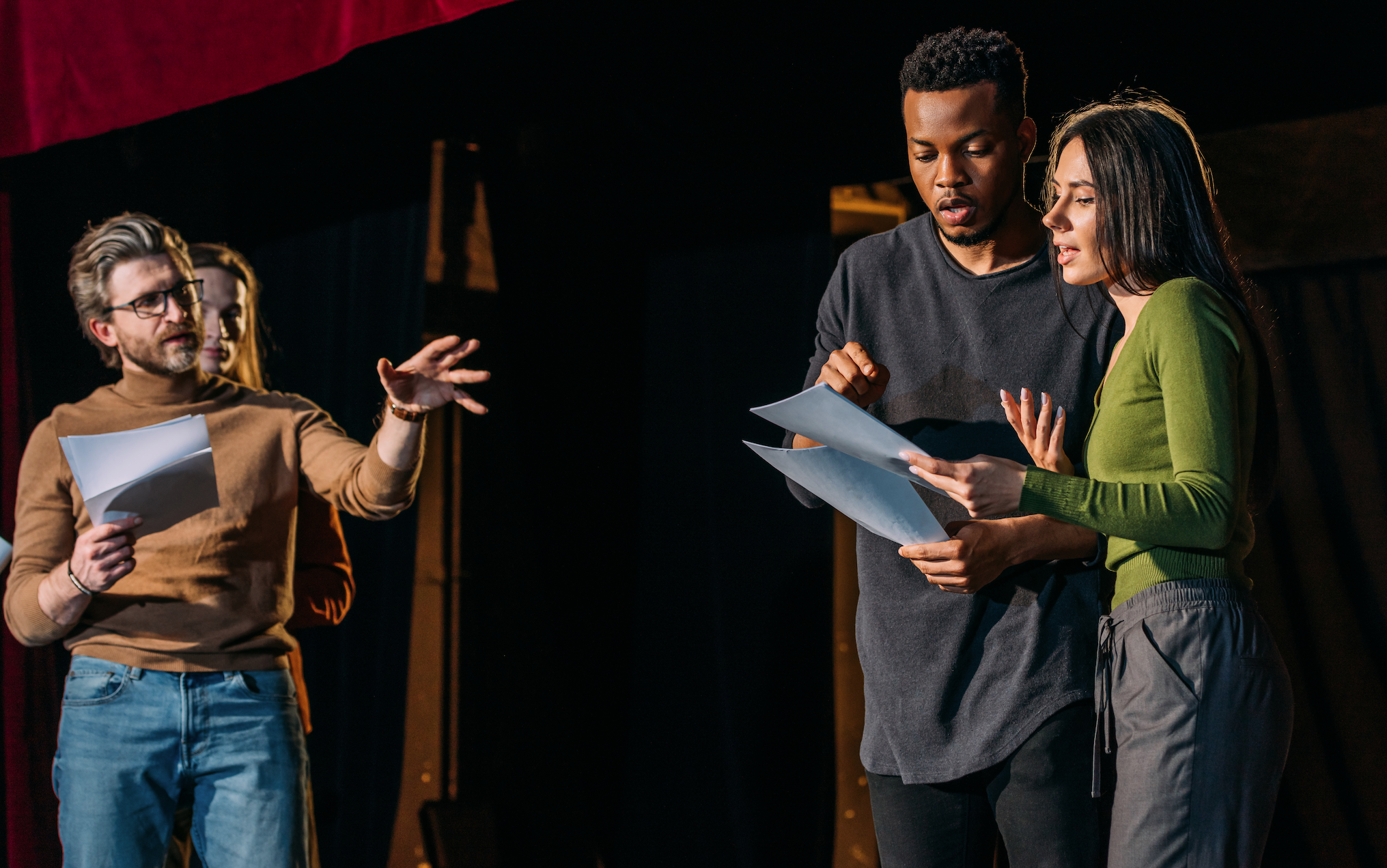 5 Top Tips UK Theatre Directors Want Actors to Know
 Message is unclear
Siobhan Higgins works as General Manager for Kenny Wax Family Entertainment, which produces a number of shows in the West End. She told Backstage: “I don’t think the message overall has been clear at all – that sitting on an airplane is safe, attending a sports arena with 60,000 others is safe, but sitting in a well-ventilated auditorium with a mask on and stringent regulations in place is not safe unless at 50% capacity. It hasn’t always made sense to me, and I think it has given the wrong impression to audiences.”
She adds that for many shows, particularly those in the West End, socially distanced audiences simply “aren’t financially viable.” Which means at least now there is the chance of a return to some kind of normality. “We just have to work on audience confidence and make sure we continue to move in the right direction.”
However, she cautions that the threat of closure at any time due to company members having to isolate is undermining this, and posing an existential threat to an industry “currently balancing on a knife edge.” She adds: “This leaves productions up and down the country incredibly vulnerable to cancellation and in turn, the income for thousands of actors and stage management is threatened.”
Impossible conditions
Proof of this came earlier this week when Andrew Lloyd Webber cancelled the opening of his new musical Cinderella at the Gillian Lynne Theatre after a positive case of Covid-19 among the company forced its temporary suspension.
“Cinderella was ready to go. My sadness for our cast and crew, our loyal audience and the industry I have been fighting for is impossible to put into words”
In a statement, the composer blamed the “impossible conditions” created by the “blunt instrument” of government rules that state if a case is found, all contacts of that person must isolate for five days. “Cinderella was ready to go,” Lloyd Webber added. “My sadness for our cast and crew, our loyal audience and the industry I have been fighting for is impossible to put into words.”
There are plans to drop the isolation rules in mid-August, but they will likely be replaced by the need for audience members to show proof of vaccination. Then there is the ongoing issue of a lack of government-backed insurance, which leaves many producers unwilling to take the risk of opening shows with no guarantee they will run uninterrupted. Without insurance, the Society of London Theatre (SOLT) and UK Theatre bodies recently estimated that the industry will operate at between 35–50% below 2019 levels.
All of which has meant that ‘freedom day’ looks more like Groundhog Day, with the return to business as usual still feeling a long way off. Not to mention ever-present worries about soaring case numbers and the emergence of new variants that could mean a return of further restrictions later in the year.
“For an industry like ours, which has been through such a horrendous 16 months, the uncertainty of what happens this autumn and winter looms very heavily,” says Higgins. “Everyone is working their hands to the bone to get back up and running and we just hope and pray that it’s forwards from here and there are no more steps backwards.”
More industry advice for UK actors? Click here.