The following Career Dispatch essay was written by Asher Grodman, who stars on the upcoming CBS series “Ghosts.” He also teaches acting at Hunter College and previously instructed inmates in acting at Rikers Island.
A lot of people told me I shouldn’t be an actor. I was a shy, dyslexic kid with social anxiety and vocal issues. So if you have stumbled upon this article and are fearful that being an actor is impossible, trust me: It’s not.
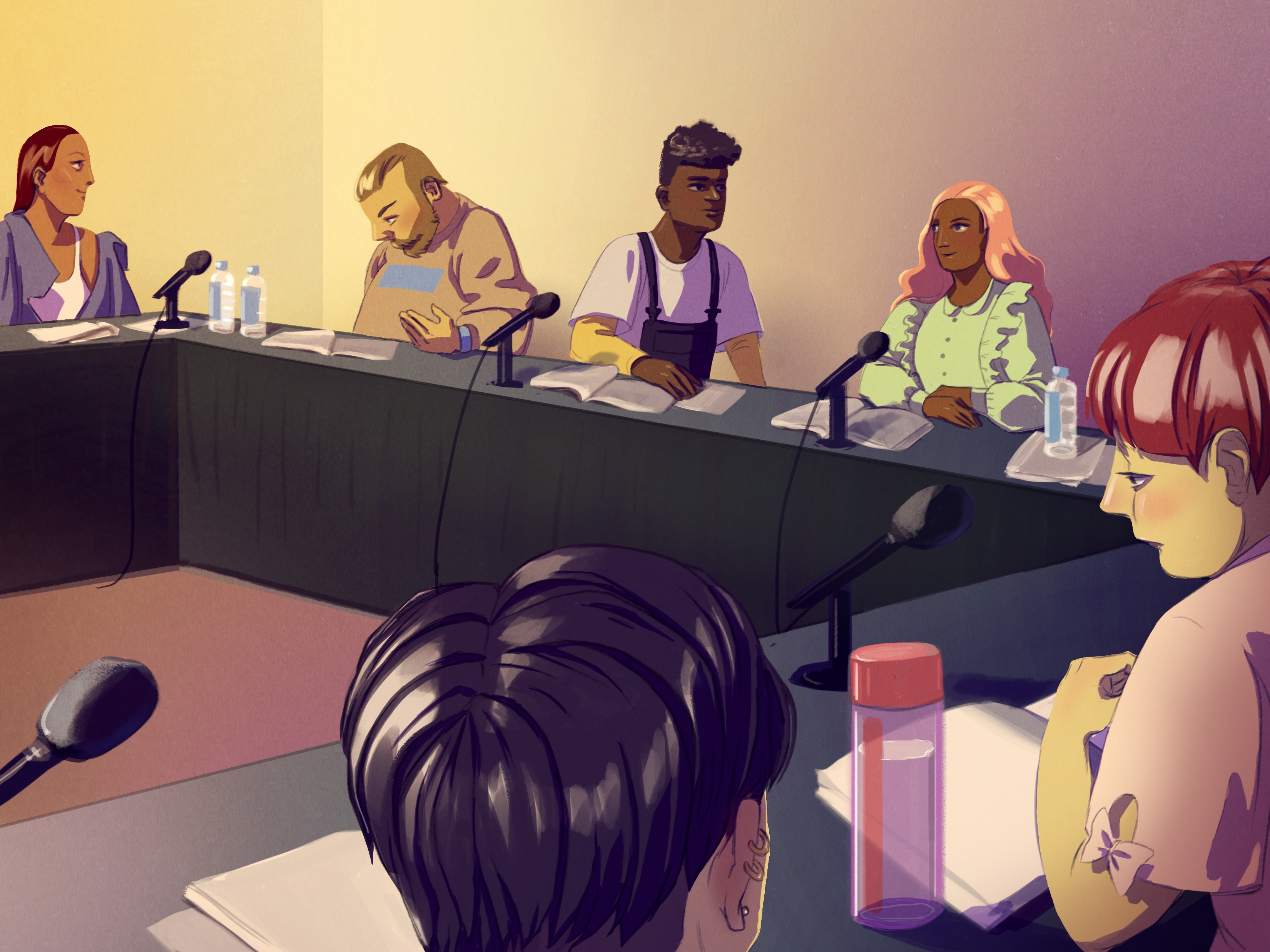 A Step-by-Step Guide on How Your Favorite TV Series Get Cast
If I could say anything to a younger version of myself, I’d direct him to a quote by the late, wonderful Philip Seymour Hoffman. In a 2007 interview with American Cinematheque, he spoke about his philosophy on acting: “You allow things to be out of control in a structure…. There’s a story that must be followed, but how to allow for the chaos—the kind of thing that you wish you had control over?”
This philosophy has always been my North Star as an actor and teacher. It’s the way I approach scripts, sides, and everything else I work on: studying the story, then finding the spontaneity that brings the story to life. But reflecting back on the 18-plus years I’ve spent as an actor, this quote resonates with my experience in this business, as well. I always knew my “story” or “path”—I was going to be an actor, but I never anticipated all the chaos that would get in the way.
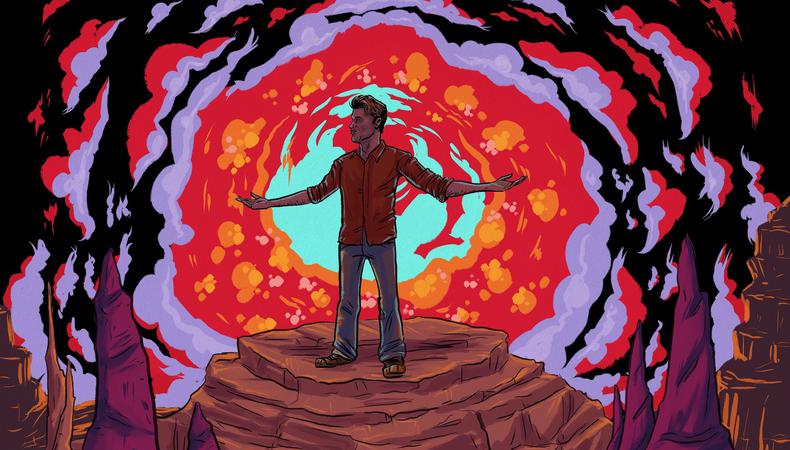
I could list all my horror stories, but instead I’ll just say that it’s a long list. There’s plenty of rejection and heartbreak, like when I got dropped by two separate agencies on two separate opening nights of two separate productions. However, for me, the greatest impediment—the greatest source of chaos—was the disorientation of working in a subjective art form.
As an actor, disorientation is like quicksand: It’s not going your way, and you don’t understand why—and even if you did, you wouldn’t know how to fix it, because you can’t know how your work is perceived. There’s no objective feedback loop. It’s very easy to lose sight of what’s real and what’s opinion, and whose opinion to trust. There’s no “right,” but it feels like there are plenty of wrongs.
READ: Ron Cephas Jones on the Best Advice
He Got From Philip Seymour Hoffman
The most disorienting experience of all is auditioning—which, for years, was the only acting I was doing, because I couldn’t get a job. I was paralyzed by auditions, so I began to study them incessantly, asking myself: What’s the real goal here—not just for me, but for everyone involved?
I devoured audition sides, working on scene after scene—anything I could get my hands on. I made myself available to help anyone, anywhere, any time with any audition they had. I started a practice group of actors who work auditions together (we still do it every week). I developed a deeper understanding of story and spontaneity thanks to the guidance of acting coach Bob Krakower, and I began to grasp my role within the larger picture of a production. In time, I found my process—the rails I could hold onto in the midst of the dark, disorienting storm.
The rejections and heartbreak will hurt, but when you find your rails—the structure that allows you to embrace chaos—you’ll begin to love the chaos in the work, and the chaos of the business will be more bearable.
This story originally appeared in the Aug. 19 issue of Backstage Magazine. Subscribe here.
Looking for remote work? Backstage has got you covered! Click here for auditions you can do from home!