The 30-second monologue is like the ultimate elevator pitch, both for yourself as an actor and the character you’re portraying. Having a shorter monologue—such as the ones found here—in your proverbial back pocket can help you impress at auditions.
JUMP TO

LightField Studios/Shutterstock
- To impress casting directors: While you may initially consider this shortened time limit a disadvantage for showcasing one’s talents, the old adage “less is more” is apt for a reason: If you’re able to impress someone in 30 seconds or less, it says a lot about your abilities as an actor. So while it’s more common for monologues to run closer to 60–90 seconds, the 30-second monologue provides a great opportunity to impress the people who make casting decisions.
- For social media: Let’s be real: The average human’s attention span is deeply limited these days. Short monologues are a great way to capture your followers’ attention within those first few seconds before their minds wander on to something else. So be practical and think small. (And save the low-simmering existential crisis about the state of humanity for your morning pages or evening journaling; it won’t help your performance—unless that’s what they’re looking for.)
- It’s easy to memorize: Unless you’re talking at double-speed, choosing a 30-second monologue means less verbiage, making it easier to remember.

New Africa/Shutterstock
Like most monologues, a 30-second one should tell a complete story and make an impact.
- It evokes emotion: Whether anger, sadness, joy, grief, confusion, or any number of the complicated feelings humans go through on a regular basis, your monologue should make the people who witness it feel something—the stronger the better.
- It encapsulates a character: Your monologue should hit on something essential and true about your character or the story itself. Be sure that it aligns with the project for which you’re auditioning, meets your specific needs, or accomplishes your particular goals.
- It tells a story: It may only be 30 seconds, but that doesn’t mean you can’t tell an entire story in that time. For centuries, people have done more with less, and perhaps during no time in history has it been easier to make that case than the era of social media micro-content. Look to flash fiction to see how it’s done: “For sale: baby shoes, never worn,” anyone?
- It shows off your talents: Make sure the monologue you choose showcases your abilities to the audience. This will shine through in your performance, so long as what you choose aligns with the intent for its delivery.
“Bridesmaids” Courtesy Universal Pictures
Comedy is subjective and there are many different types of humor, meaning that comedic 30-second monologues can be particularly difficult to deliver well. These monologues need to earn laughs fast, and 30 seconds doesn’t give you much time to deliver on the funny. Comedic monologues such as the following will no doubt get you thinking about the best way to get a good chuckle or two from your audience.
“Anchorman: The Legend of Ron Burgundy”: Ron converses with his fellow anchormen
RON: Guess what? I do. I know that one day Veronica and I are gonna get married on top of a mountain, and there’s going to be flutes playing and trombones and flowers and garlands of fresh herbs. And we will dance till the sun rises. And then our children will form a family band. And we will tour the countryside and you won’t be invited.
“The Big Lebowski”: The Dude introduces himself
THE DUDE: What? Wait, wait let me explain something to you. I am not Mr. Lebowski. You’re Mr. Lebowski. I’m The Dude. So that’s what you call me, you know? Uh, that or uh, His Dudeness, or uh, Duder, or uh El Duderino if you’re not into the whole brevity thing.
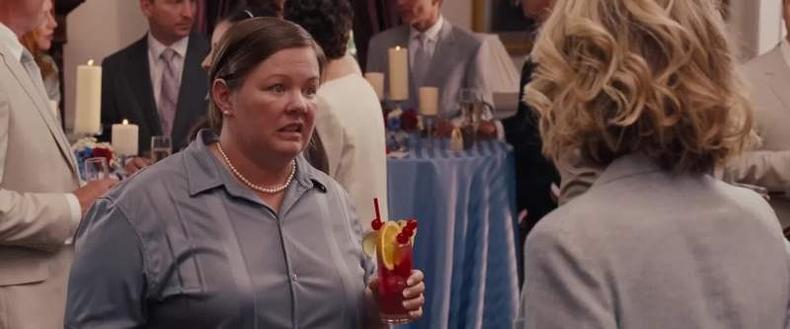
“Bridesmaids”: Megan’s fall from a cruise ship
MEGAN: Oh yeah, oh shit! Took a hard, hard violent fall. Kinda pinballed down, hit a lot of railings, broke a lot of shit. I’m not gonna say I survived. I’m gonna say I thrived. I met a dolphin down there, and I swear to God, that dolphin looked, not at me, but into my soul—looked into my goddamn soul.
“A Bronx Tale” Courtesy Savoy Pictures
It’s not easy to deliver on the intensity and depth often required from a dramatic monologue in a short amount of time—but it isn’t impossible. While these are only a few suggestions to inspire your search, in the end it’s important to choose a monologue that you can fully embody. Familiarize yourself with the larger story it’s from, as well as the character arc at play. Thus, when you deliver the lines, they’ll be fully realized and effective regardless of brevity.
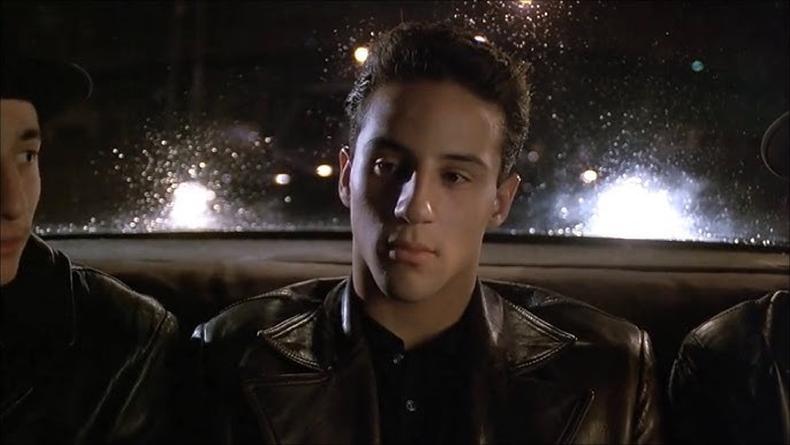
“A Bronx Tale”: Calogero leaves the funeral
CALOGERO: Sonny and my father always said that when I get older I would understand. Well, I finally did. I learned something from these two men. I learned to give love and get love unconditionally. You just have to accept people for what they are, and I learned the greatest gift of all. The saddest thing in life is wasted talent, and the choices that you make will shape your life forever. But you can ask anybody from my neighborhood, and they’ll just tell you this is just another Bronx tale.
“The Shape of Water”: Richard comes on to Eliza
RICHARD: You know, I can’t figure it out myself. You’re not much to look at, but...go figure. I keep thinking about you. When you say you’re mute, are you entirely silent, or do you squawk a little? Some mutes squawk, not pretty, but...hmm? I just want you to know...I don’t mind those scars. I don’t mind that you can’t speak, either. When you come down to it...I like it. A lot. It kind of gets me going. I bet I can make you squawk a little.
“The Tempest,” Act 3, Scene 1: Miranda confesses her love to Ferdinand
MIRANDA: I do not know
One of my sex, no woman’s face remember—
Save, from my glass, mine own.
Nor have I seen
More that I may call men than you, good friend,
And my dear father.
How features are abroad
I am skill-less of, but, by my modesty,
The jewel in my dower,
I would not wish
Any companion in the world but you,
Nor can imagination form a shape
Besides yourself to like of.
But I prattle
Something too wildly, and my father’s precepts
I therein do forget.