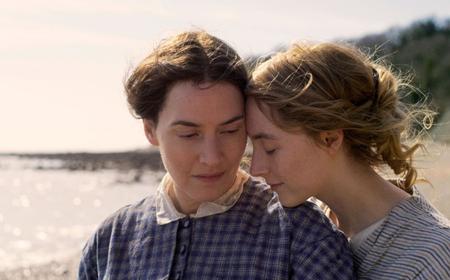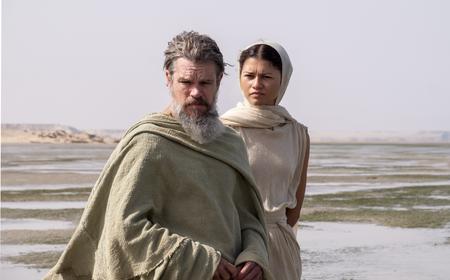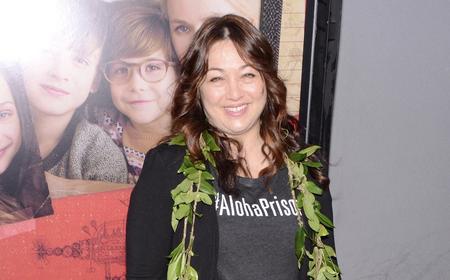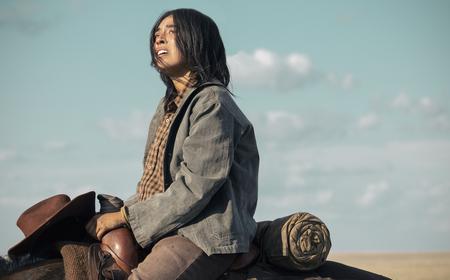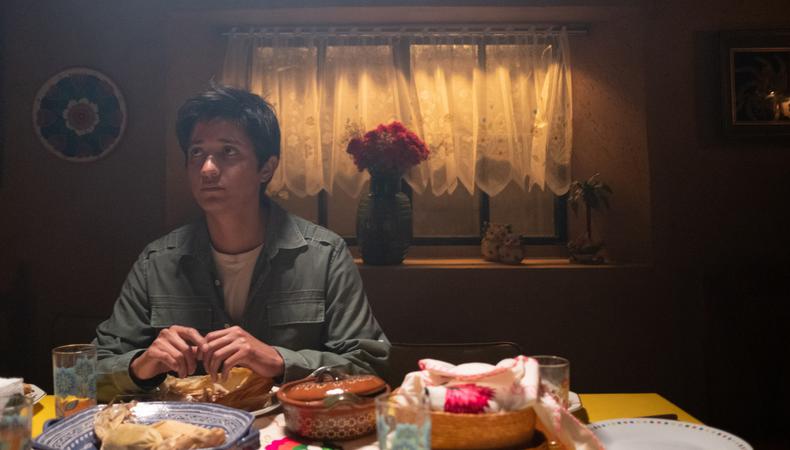
“It was accidental, and now I’m addicted,” says Heidi Ewing of her first narrative feature, “I Carry You With Me,” which is now nominated for a Film Independent Spirit Award for best first feature. The documentarian started out making an unscripted film—and ended up producing, writing, and directing one of the year’s standout indies. Here’s how she turned the real-life love story of her two friends into a feature-length epic (which will premiere in theaters May 21), how she learned to direct actors, and her advice for those working in nonfiction on how to shift into the narrative space.
“A good story is a good story; emotion is emotion. You shoot for emotion, no matter what.”
This film started as a documentary; how did it become a scripted feature?
It was very organic in the craziest way. I was friends with [the film’s subjects], Iván and Gerardo, for many years before I actually knew what their story was. One night, they told me their whole story, and I was stunned, because we’d been friends for so long, and I realized I didn’t know what they’d been through, and I didn’t know that they’d risked their lives and limbs to come to the United States, and that they’d never been home since. I did some interviews with them, and I started filming them within their life. I realized pretty early on that I was filming the third act of a movie, and that all of the childhood and early romance and life in Mexico had happened in the past, and it was not going to be an excellent documentary film—it could not be. It had this epic quality to it, and I thought, This deserves a narrative treatment—so either I don’t make it or I learn how to do that. It was a tough realization to come to, because I hadn’t done it, and I never really set out to convert a documentary career into a narrative one.
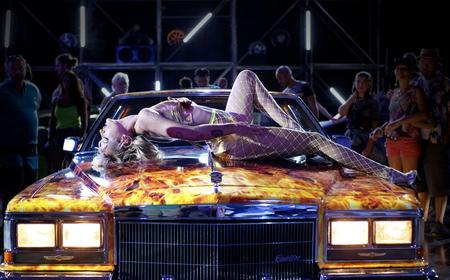
So I just jumped off a cliff. There were no comparisons, because this hasn’t really been done in this format before: using cinéma vérité and not interviews. There was nowhere to turn in terms of other examples. My editor and I really just… It was a lot of trial and error, of when and how to use material. But I realized that audiences are so flexible, and audiences are used to mixed media. There’s [Sean Baker’s] “Tangerine,” and you’ve got big narrative filmmakers trying to make things look like a documentary. It’s just story. If the story works, the method of delivery of the story might not be front of mind, as long as somebody is really invested in the character.
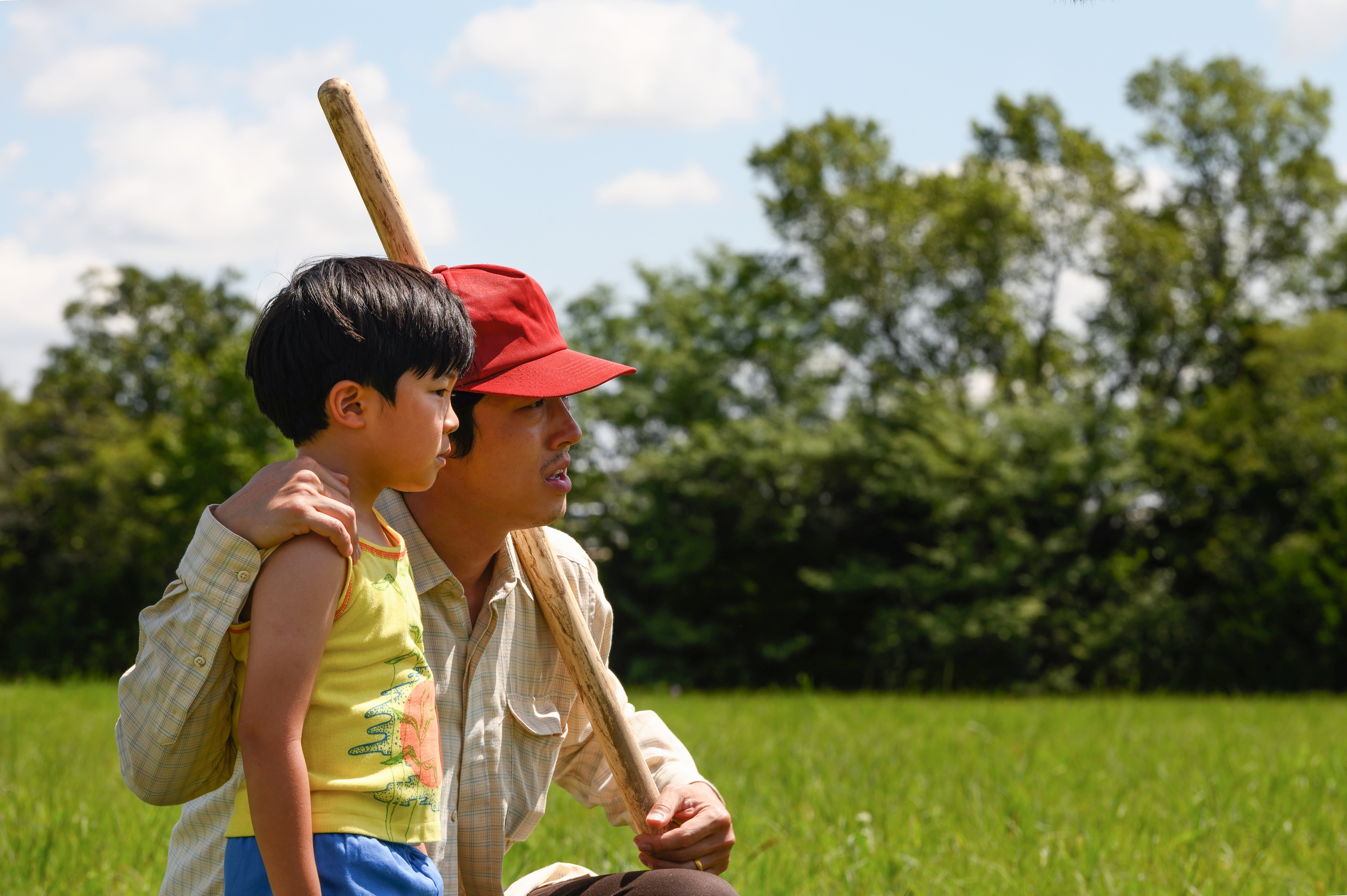 Spirit Awards Honor ‘Minari,’ ‘Never Rarely Sometimes Always’ + First-Ever TV Series
 From a writing standpoint, what was the biggest difference between this feature and a documentary?
The writing was interesting. I was so excited when I bought Final Draft; I was like, “I’m halfway there!” I wrote a lot of plays and stuff in college, and I think documentary filmmakers have a really good ear for dialogue, because we know when things sound fake. We’re good at knowing how people actually talk. I ended up reaching out to Alan Page Arriaga, a Mexican screenwriter, to help me get it done. There were many reasons for that; part of it was because I wanted to also be writing it with a Mexican writer, of course, and make sure I was getting everything right. I’ll tell you the difference: In the first draft, characters were telling each other long stories, like you do in a documentary. And it was like, “I could just shoot that! And there could be no talking. In fact, I could cast a 12-year-old and I could create a beautiful, tense, affecting scene and there would be one line in it, instead of a three-minute scene of someone telling another person the story.” It was a muscle that I had to turn on. In the end, I took out so much dialogue, because it was: If you can show, not tell, do it. I was obsessed with showing, not telling, to the point that only the essential dialogue is in the movie. That was definitely a kind of transition for me, to go away from the talking and into showing whenever possible.
“If you can show, not tell, do it. I was obsessed with the showing, not telling, to the point that only the essential dialogue is in the movie.”
What about directing actors? How different was that from working with real people?
I’ll tell you, the biggest, most daunting challenge was working with actors. I was very frightened to do it. I was scared of actors. So I started working with Adrienne Weiss of Directing Actors. I took multiple sessions with her: six months of practicing, getting some tools, figuring out how to speak to actors and how to get the performance I wanted without telling them exactly what I wanted, while sort of letting it become the actor’s idea. That was my No. 1 fear: not being able to communicate to the actors what I wanted. But in the end, I really loved that process. I ended up including them; I would ask them their life story [and] I would integrate things from their life into the script; in rehearsals, we would change lines. I allowed them to kind of come into their scenes. Sometimes, I would alter the scene slightly based on something they had told me, so they felt that they had agency in their role.
The film is entirely in Spanish. From a producing perspective, did you worry about financing?
I was asked in several meetings, “Can you make it in English?” Then I was asked in another meeting, “Can you make them Colombians? Because we have a tax credit in Colombia.” Then I was asked, “Can you guarantee that it’s going to be 51% in English?” You can pitch to a lot of people, but you only need one buyer! You only need one group of people to believe in what you’re doing. You can get very down about the passes you’re getting, but you only need to persuade one group of people to part with a little bit of money and leave you alone to make your movie.
How do you feel about the studio holding the film until it can run in theaters?
It was supposed to open in June last year, and now it’s opening May 21. But it is opening. They did not allow it to stream. Sony Pictures Classics was really vehement about their titles and, you know, some people think they’re crazy, and some people think they’re great. But they have held onto all six of their titles, and none of them have streamed yet. They’re all going to have some sort of theatrical release first, and that’s including my title. I don’t really blame anyone for the choices they made on [releases] this year. Movie theaters reopened in New York March 5, and this movie can’t live without L.A. and New York. You can’t open this movie without New York. They could have opened it in the rest of the cities that opened their movie theaters earlier, but it can’t survive without some big-city love, and I think they calculated that.
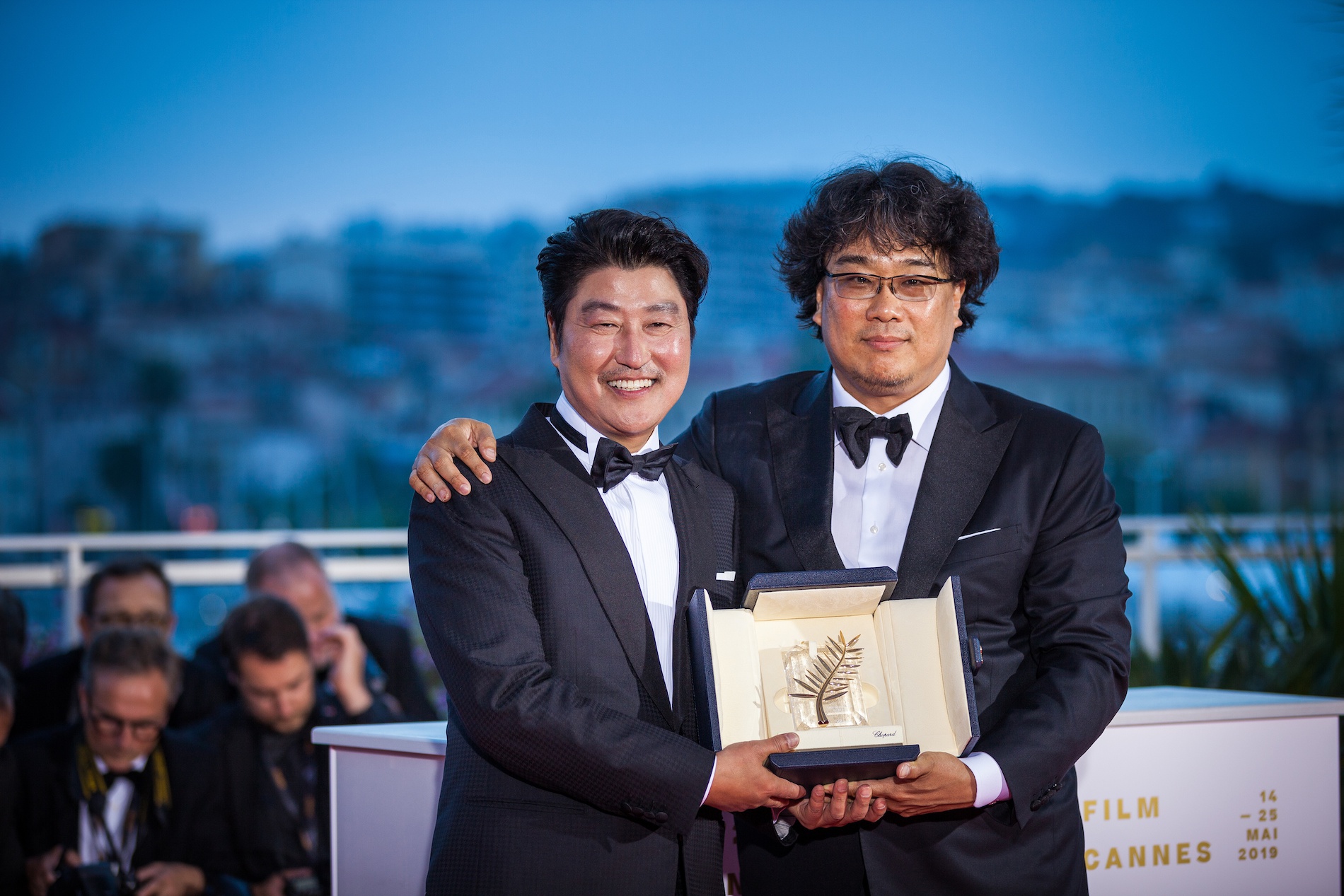 What it Takes to Bring Your Indie Film All the Way to the Oscars
 Do you have any advice for a documentary filmmaker who wants to transition into the scripted space?
Don’t abandon your aesthetic if you’ve developed one that you like. And don’t let anyone believe that it’s a completely different, unrelated profession. A good story is a good story; emotion is emotion. You shoot for emotion, no matter what. That can be on an iPhone, that can be with an actor, [or] that can be with a real person. But I would say I think it’s very easy to be insecure about the move, and you can get a lot of creativity beaten out of you that way. You have to go in with a lot of confidence. You’ve got to know what your vision is and stick to it, because a lot of people will tell you, “You shouldn’t do this; you shouldn’t shoot with the zoom; you have to use primes.” People start to get involved in your aesthetic really quickly. And you have to be able to defend your aesthetic choices, because a lot of people will assume you don’t know what you’re doing. You have to really defend that to the death. Before you pitch it, you’ve got to know what you want it to look and feel like, because that can get taken away from you.
This story originally appeared in the March 25 issue of Backstage Magazine. Subscribe here.
Looking for remote work? Backstage has got you covered! Click here for auditions you can do from home!