Photographer rates vary wildly, from no-pay TFP shoots all the way to six-figure magazine shoots. As a freelance photographer, there’s a fine line between pricing yourself correctly, knowing your worth, and pushing too hard for a higher rate. Let’s break down the common ways rates are set and the key components to consider when learning how to set your photography rates, whether you’re a new working photographer or a veteran of the field.
The primary factors that influence how much you can charge as a photographer are pricing method, experience, and niche.
Pricing method
The pricing method you use depends largely on your volume of work, level of experience, and the type of photography.
- Hourly: Setting an hourly rate is common for photographers who are just starting out. Hourly pricing allows for flexibility and the potential for more work since some smaller clients can afford just a few hours. It’s also a common pricing method for photographers who shoot events, weddings, or other projects where time shooting can be extended in the moment. Be sure to include overhead costs in your hourly rate. This may include a second shooter at a wedding, additional lighting for a corporate event, or extensive travel to a shoot location.
- Flat rate: Many photographers charge a flat rate per project. This means that once the details of a project are laid out and expected deliverables are clarified, a photographer can set a flat rate that the client will either accept, negotiate, or decline. A flat rate is typically set based on a cost-plus pricing model (more on that in a bit). This pricing method works best for photographers who are experienced and can accurately assess the work a project entails. Beginner photographers who opt for a flat rate risk mispricing the job and doing far more work for much less pay.
- Price by usage: For photographers who work in brand, commercial, or editorial photography, creating a pricing model based on usage can allow them to earn more. The usage rate is influenced by how the photo will be used (for print, ads, website, etc.) as well as licensing fees and usage rights, which can be scaled with increasing exposure and engagement of the work.
 Picture-Perfect Career: How to Become a Photographer in 7 Steps
Experience level
As you continue to learn how to get more photography jobs and grow in your craft, so should your rates. Consistently evaluate your pricing and assess whether it accurately reflects your skill and experience. More experience allows you to increase your rates based on your professionalism, consistency, technical skill, and artistic ability. Here’s a general percentage-based scale of how typical rates grow with experience:
- Beginner (0–1 years): Your baseline rates will be 100% of whatever you’re able to convince clients to pay you for your work.
- Intermediate (2–4 years): From there, you can increase rates by 50–100% over your beginner level.
- Professional (5+ years): Finally, professional photographers can up their rates by 100–300% over beginner rates.
As you continue to work, it’s easy to get caught up in taking on more photography jobs without increasing your rate—just keep in mind that this can lead to burnout. You may fear that increasing your rate will cut down the number of clients you have, but consider this: You may have fewer clients, but raising your rates can help you maintain (or even grow) your income while doing less work. Additionally, higher-paying clients are often better organized, more professional, and more likely to provide exposure that leads to better projects down the road.
Niche
When setting your rate, you’ll also want to consider your industry. For example, the clients you work with as a wedding photographer are vastly different from those hiring for brand photography. Here are some general industry rates:
- Weddings: $2,000–$5,000+ (per day)
- Portraits and headshots: $150–$500+ (per session)
- Event photography: $100–$300/hour
- Commercial/brand work: $500–$5,000+ (depending on usage and licensing)
- Editorial: $250–$1,000 (plus licensing)
- Real estate: $150–$500 per property
- Product photography: $25–$250 per image or $500–$3,000 per project
Credit: Sarath maroli/Shutterstock
Generally, charging a flat rate is a better pricing model for those with more experience. Why? Because experienced photographers have a better understanding of the true costs of a shoot. Photography does not just entail the actual labor of shooting; it also entails “editing, marketing, planning new shootings and so on,” explains André Josselin in an interview with The Phoblographer.
Here are the basic cost-plus formulas to set your rate:
Cost of materials + cost of labor + overhead = total cost
Total cost + desired profit (about 20%) = desired sale price
When you’re approached with a project, you must be mindful of factors that allow you to accurately assess the cost of materials, labor, and overhead. Here are some factors to dive into during a client meeting:
- Budget: Understanding the client’s budget avoids wasting time if it’s completely misaligned.
- Resources provided: Talent, makeup artists, studio rentals, and wardrobe could all fall onto your costs if not provided.
- Photo use: Does the client need full usage rights or limited licensing, and for how long will the images be used?
- Timeline: When will the shoot take place, and when are deliverables expected? If the turnaround time is quick, is the client aware that this increases the rate?
- Deliverables: How many images are expected, and in what form—prints, digital, retouched photos?
- Crew: Will the scale require extra labor, such as additional shooters or photo editors?
Once you’ve gathered this information, use it to address the components of the cost-plus pricing formula: cost of materials, cost of labor, and overhead costs.
Costs of materials:
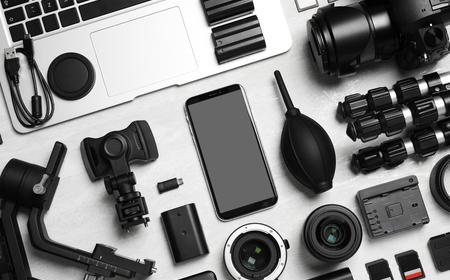
- Professional cameras
- Lenses
- Tripods
- Lighting gear
- Film stock
- Props
- Backdrops
- Computer (laptop or desktop) for processing your files
- Hard drives for archiving your work
- Memory cards
- Other miscellaneous equipment like spare batteries and your phone
Cost of labor:
- Assistant photographers to help during larger or more complex shoots
- Talent
- Makeup artists
- Stylists
- Photo editors to support post-processing
- Photo retouchers
- Film photography development
Overhead costs:
- Monthly rent if you choose to rent an office or studio space
- Insurance to cover liability and protect your equipment and studio
- Professional services, like accounting and legal fees
- Marketing and advertising expenses like a portfolio website, running ads, and creating promotional materials
- Software subscriptions like Adobe Creative Cloud
After addressing these components, decide on what you want your margin range to be. A common target is around 20%, but this can vary depending on your experience level, market, and the scale of the project.
Setting your photography rates requires an honest assessment of your work and a diligent look into the industry and market you operate in. The more time you invest in setting your rate, the more it will pay off.
1. Research the market. Understand what peers and other photographers of your caliber are charging. Network and speak with other working photographers to get a lay of the local land when starting out. Some may hesitate to share rates, but others can be incredibly helpful, especially those further along in their careers.
2. Know your worth. Some clients simply won’t have the budget for you, and that’s OK. You don’t need to lower your rate just to accommodate more work unless absolutely necessary. Stick with clients who align with your value, but remain honest with yourself and recognize if you’ve overpriced your services.
3. Understand how and when to charge for licensing. Many photographers are exploited because they don’t set clear usage terms or charge appropriately for extended use of their work. Licensing ensures you’re compensated when clients use your images beyond the agreed scope.
4. Increase your rate as your work improves. It’s easy to create a ceiling for yourself if you don’t raise your rates. A low rate can limit you creatively, keeping you from working with bigger clients who have larger budgets. While adjusting your rate may temporarily affect your volume of work, this isn’t always a bad thing. As you grow, ask yourself: “Would I rather shoot 100 low-paying projects, or 10 well-paid ones that give me more time, creative freedom, and better photographs?”