TFP is the modeling industry’s version of a coffee date: Both parties invest time and energy to see if there’s a spark, without any major commitment or cost. For those who have desire, drive, and a dream, TFP shoots can be a way to get those creative juices flowing (no caffeine required). Here’s what you need to know about the beauty barter.
TFP means “time for print” (or sometimes “trade for print”).
What is a TFP shoot?
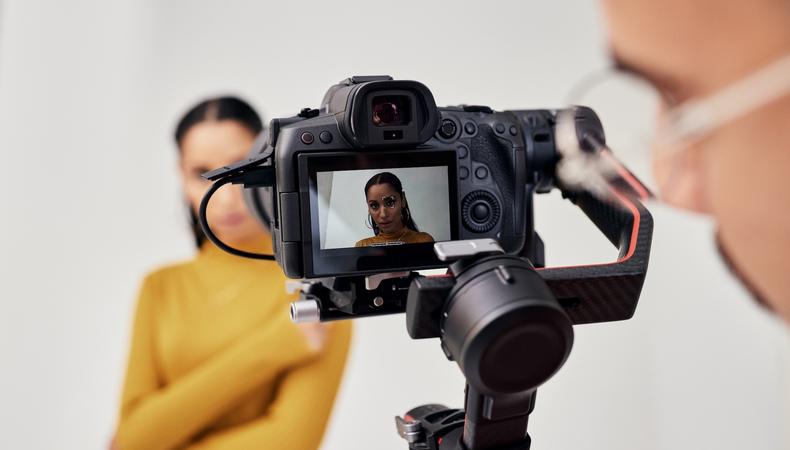
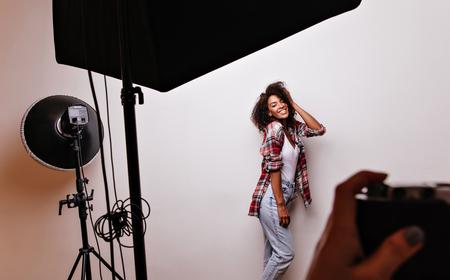
A TFP photo shoot is exactly what its name says—a model photo shoot in which both photographer and model work for free, knowing that the images they create can be used for their portfolios. Hairstylists, makeup artists, and fashion stylists may also take part in TFP photo shoots, again for free in exchange for prints.
TFPs are generally organized by photographers, since they have the most control during the shoot. Often, they already have a theme or idea in mind when seeking out models.
 How to Make the Most of Your Model Photo Shoot
TFP shoot pros
Free photos: If you’re not getting paid to model just yet but want to build your modeling portfolio, TFP shoots can be essential. Hiring photographers may end up costing a lot of money, especially if you consider that new models need to practice with a lot of photo shoots to really hone their craft. TFP shoots are perfect for landing some of the standard shots, such as headshots and full-body poses, for your portfolio.
Low pressure: TFP shoots let you flex your modeling muscles without the pressure of nailing a gig or getting paid. Sure, this might seem counterintuitive, but shooting a TFP can be a way to practice modeling poses and facial expressions. These projects can help you to develop your modeling expertise in a way that an official gig may not let you.
Creative freedom: If you’ve already built a portfolio out, a TFP can be a place to try new ideas and experiment with lighting, different settings, and unique editorial ideas.
Connections: Photographers and models can use TFPs to make connections with people who may eventually gain some ground in the photo and modeling industry. If a photographer remembers working well with you, it could lead to a paid gig or a project collaboration that sets you apart from other models. After all, you never know when a photographer is going to make it big.
TFP shoot cons
Safety concerns: Unlike traditional photo shoots, TFPs aren’t safeguarded by a company or business, so there may be safety and scam concerns. Keep an eye out for red flags and trust your gut. If the other party’s communication seems strange or they’re pushing boundaries, that’s a sign they’re not a match. Always ask to bring a friend or family member, and plan the photo shoot in a professional and safe space, or even in a public place. If you ever feel unsafe, it’s absolutely OK to end the photo shoot.
Unequal exchange: Trusting someone to put in as much care and effort as you could backfire. Photographers may not be as talented as they make themselves out to be, or they may not deliver photos in a timely manner. In the same respect, hair and makeup artists or stylists may end up being more amateur than originally expected. If you’re in a TFP that features multiple models, even they can be less than enthusiastic, creating an unequal and sometimes uncomfortable work environment.
Funding: It may sound contradictory, but TFP shoots sometimes require financial backing. Money can be one of the downfalls that changes a good TFP photo shoot into a bad one (and vice versa!). Equipment, lighting, lenses, and styling all come at a cost, so be sure to think about what you’re looking for in a TFP and the realities of achieving those goals with little to no budget.
1. Find a suitable photographer.
Many photographers include information on their websites and social media pages about whether they’re available for TFP—and sometimes, that they’re specifically not available for free exchange. Once you’ve established that a photographer is interested in TFP, always do your research on them before reaching out. Check their website, assess their photos, and read through their reviews: Does their work represent what you’re looking for? Do they have quality equipment? Do they seem safe and professional? If you know other models, ask if they’ve worked with any photographers they like on TFP shoots.
2. Communicate.
Communication is key to a great TFP photo shoot and experience. Spend time discussing things such as goals for the shoot, the number of images all participants expect to have, and whether any digital retouching will be involved. Talking through the details means having a clearer idea of expectations, and it can help you figure out early on whether the TFP shoot is going to work. Sometimes this is the point where you realize your creative visions and working styles may not match, which is better than realizing it during the shoot itself.
While photographers generally organize TFP shoots, if you have a vision, you can absolutely arrange your own. Seek out other creatives who are interested in TFP by posting in forums or otherwise connecting with photographers, hair and makeup artists, and stylists.
3. Get it in writing.
Even with no money exchanged, TFPs cost time and dedication. It’s best to come to an agreement beforehand. Get it in writing using a contract (see an example here) that includes the agreed-upon conduct expectations, the number and quality of prints, any potential costs, and other stipulations that may be important.