When it comes to the Oscars, a common complaint is that the Academy has alienated the general public by favoring lesser-known productions over tentpoles; but that critique has always been shortsighted. That’s especially true this year, when three of the 10 best picture nominees—“Avatar: The Way of Water,” “Top Gun: Maverick,” and “Elvis”—are undeniably popular choices. Collectively, they’ve earned nearly $4 billion at the global box office.
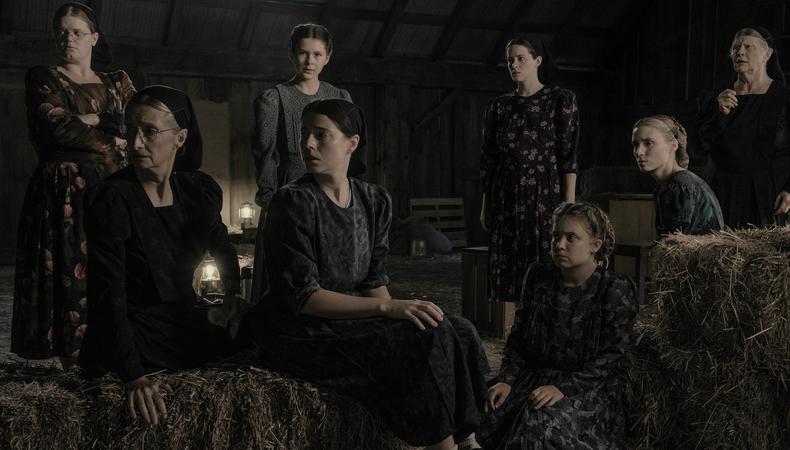
But there’s another side to the story: Their fellow best picture contenders “Everything Everywhere All at Once,” “Tár,” and “Women Talking” are also nominated for best feature at the Film Independent Spirit Awards.
This doesn’t necessarily mean that these three movies were working with a typical indie budget—simply that any feature made for $30 million or less falls within Film Independent’s eligibility range. Beyond that financial prerequisite, these projects tend to embody the more amorphous qualities we associate with independent cinema, such as an outside-the-box, boundary-pushing, innovative perspective.
“Everything Everywhere” is the top contender at both ceremonies, with 11 Academy Award nominations and eight Spirit Award nods. Since its premiere at the SXSW Film & TV Festival in March 2022, the movie has become A24’s highest-grossing release. “Everything Everywhere” represents a monumental success for a certain type of wacky yet touching directorial vision.
 Ke Huy Quan Tells Us ‘Everything’
 Prior to breaking through with their singular take on mother-daughter relationships, writer-directors Dan Kwan and Daniel Scheinert were known for comically bizarre cult films like “Swiss Army Man” and Scheinert’s “The Death of Dick Long.” That the two reached this level of mainstream acclaim while remaining true to their brand of oddball storytelling is a remarkable feat.
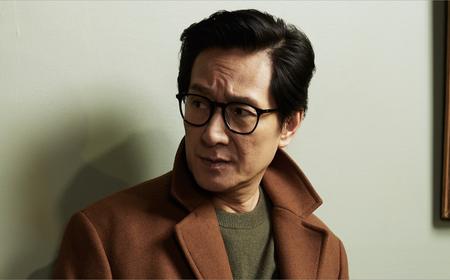
The overwhelming support for “Everything Everywhere” has been the biggest constant this year among major awards voting bodies, including the SAG Awards, BAFTAs, and Golden Globes. Particular recognition has gone to Michelle Yeoh for her leading performance as a universe-hopping laundromat owner and Key Huy Quan’s turn as her supportive husband.
And then there’s Cate Blanchett, who’s nearly neck and neck with Yeoh for her lead performance as an unraveling orchestra conductor in “Tár.” In addition to its six Oscar nominations, Todd Field’s intellectual character study has received overwhelming support from critics’ groups. The film has already won best picture and leading actress awards from the New York Film Critics Circle, the National Society of Film Critics, and the Los Angeles Film Critics Association (the latter in a tie with “Everything Everywhere”). Blanchett also took home a Golden Globe and Critics’ Choice Award.
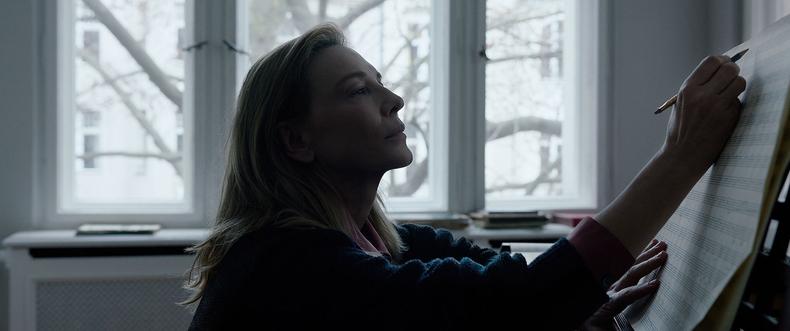 “Tár” Courtesy Focus Features
While it hasn’t been met with as much enthusiasm as its fellow crossover nominees, Sarah Polley’s “Women Talking” is also one to watch. The sobering ensemble piece, which follows a group of Mennonite women debating their fates following a series of sexual assaults, failed to receive any individual acting nods at the Oscars, SAG Awards, or Golden Globes. But it has earned collective recognition, including a SAG nomination for outstanding performance by a cast. The movie is also set to receive Film Independent’s Robert Altman Award for cast, director, and casting director. Meanwhile, Polley has garnered screenplay and directing nods from the Spirit Awards, plus an adapted screenplay nomination from the Academy.
Even though reviews were lackluster for the movie as a whole, Brendan Fraser’s emotional leading turn in “The Whale” has connected with segments of the industry. Darren Aronofsky’s divisive portrait of a dying man was a surprise box office hit, recording 2022’s highest opening weekend numbers for a limited release. Fraser’s tearful acceptance speech at the Critics’ Choice Awards last month has put him back in the spotlight heading into the SAG Awards and Oscars, where he’s earned nominations alongside his costar Hong Chau. (“The Whale” didn’t get any love from Film Independent.)
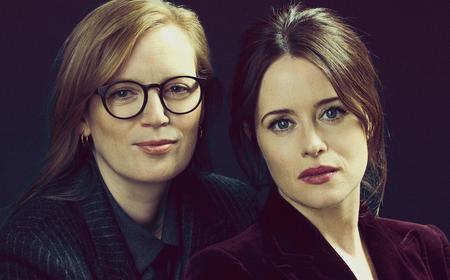 Claire Foy + Sarah Polley on the Moments of ‘Actual Euphoria’ That Shaped ‘Women Talking’
 Outside of these recurring contenders, a few indies have joined the conversation on the strength of a single performance. That’s the case with Brian Tyree Henry’s turn as a traumatized mechanic in Lila Neugebauer’s “Causeway,” which earned him supporting nods from the Oscars, Film Independent, and the National Society of Film Critics. (Apple TV+’s substantial marketing campaign likely helped the performance gain attention.)
Among the season’s most pleasant surprises is a well-deserved Academy Award nomination for rising Irish star Paul Mescal. He beat out much bigger names for a coveted leading actor slot for his performance in Charlotte Wells’ 1990s-set “Aftersun,” in which he plays a young father struggling with mental health issues.
But nothing shocked awards watchers more than Andrea Riseborough’s leading actress nod for “To Leslie.” Made for less than $1 million, Michael Morris’ portrait of an alcoholic single mother in West Texas is easily one of the humblest features to earn Oscar recognition this year. Were it not for the controversy surrounding the film’s questionable campaign tactics, the nomination would likely be hailed as a triumph for low-budget movies working with extremely limited resources.
Though “Everything Everywhere” and “Tár” have, to varying degrees, already found their audiences, the nominations for Mescal and Riseborough mark a major shift. If recognition from an awards body as prestigious as the Academy helps more viewers discover obscure titles like “Aftersun” and “To Leslie,” then the awards apparatus will have served a greater purpose. In the age of big-budget franchises, it’s increasingly difficult for more mature, challenging work to make it to the big screen—or any screen, for that matter. And anything that brings more awareness to these types of stories and artists is a welcome life raft in our oversaturated cinematic landscape.
This story originally appeared in the Feb. 16 issue of Backstage Magazine.